1917–1937
Spain, then Paris
Balenciaga opened his first house in San Sebastián before establishing his Paris couture house in 1937. His knowledge of cutting and making shaped every silhouette.
The House & Its Designers
San Sebastián · 1917
From sculptural couture to the soft leather of the Motorcycle bag.
Cristóbal Balenciaga treated clothing as a problem of volume, proportion and construction. Successive designers have interpreted that legacy very differently, making change part of the house’s identity.
31 photographs · Reviewed August 2026
Explore the history ↓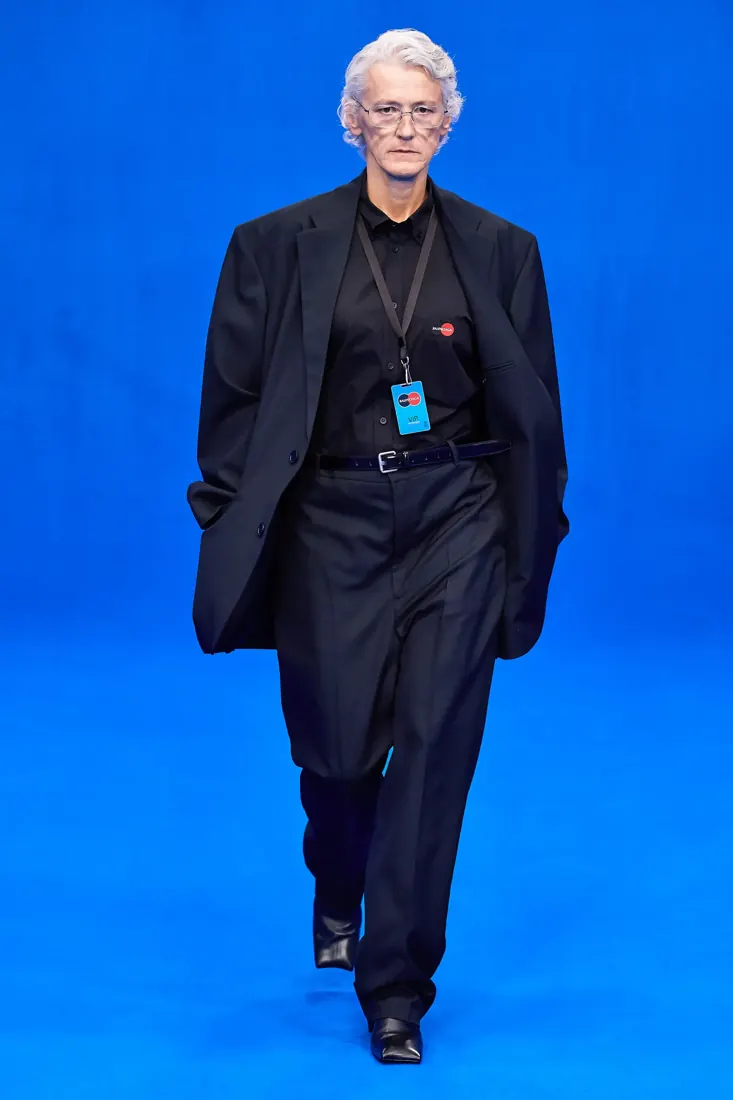
1917–1937
Balenciaga opened his first house in San Sebastián before establishing his Paris couture house in 1937. His knowledge of cutting and making shaped every silhouette.
1950s–1968
Sack dresses, cocoon shapes and architectural volumes loosened clothing’s relationship to the waist. Balenciaga closed his couture house in 1968.
1997–2012
Nicolas Ghesquière connected the archive to experimental ready-to-wear. The Motorcycle bag, introduced in 2001, translated the house into supple leather, tassels and industrial hardware.
2015–2025
Demna explored oversized silhouettes, everyday objects and luxury’s conventions, and returned the house to couture. The 2022 advertising controversy remains part of that tenure’s history.
2025
Pierpaolo Piccioli became creative director in July 2025, following Demna’s move to Gucci. His appointment returned attention to the house’s possibilities in couture and cut.
Selected creative chapters; dates distinguish appointments from runway debuts.
Founder
A couturier whose innovations began with pattern cutting and construction.
1997–2012
Reconnected the archive with modern fashion and introduced the Motorcycle bag.
2012–2015
Brought a sportier interpretation of the house’s sculptural forms.
2015–2025
Expanded the house through exaggerated proportions, cultural commentary and couture.
Appointed 2025
A couturier bringing his approach to colour, silhouette and handwork to Balenciaga.
Selected looks and details, matched to the house and season.
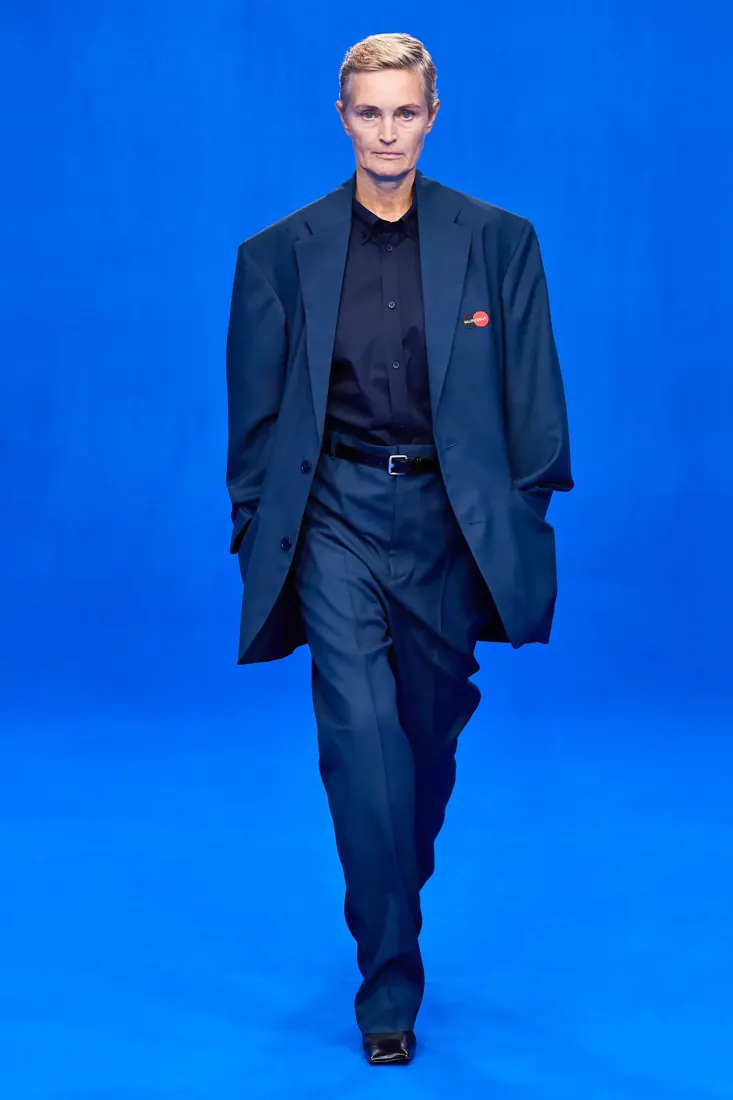
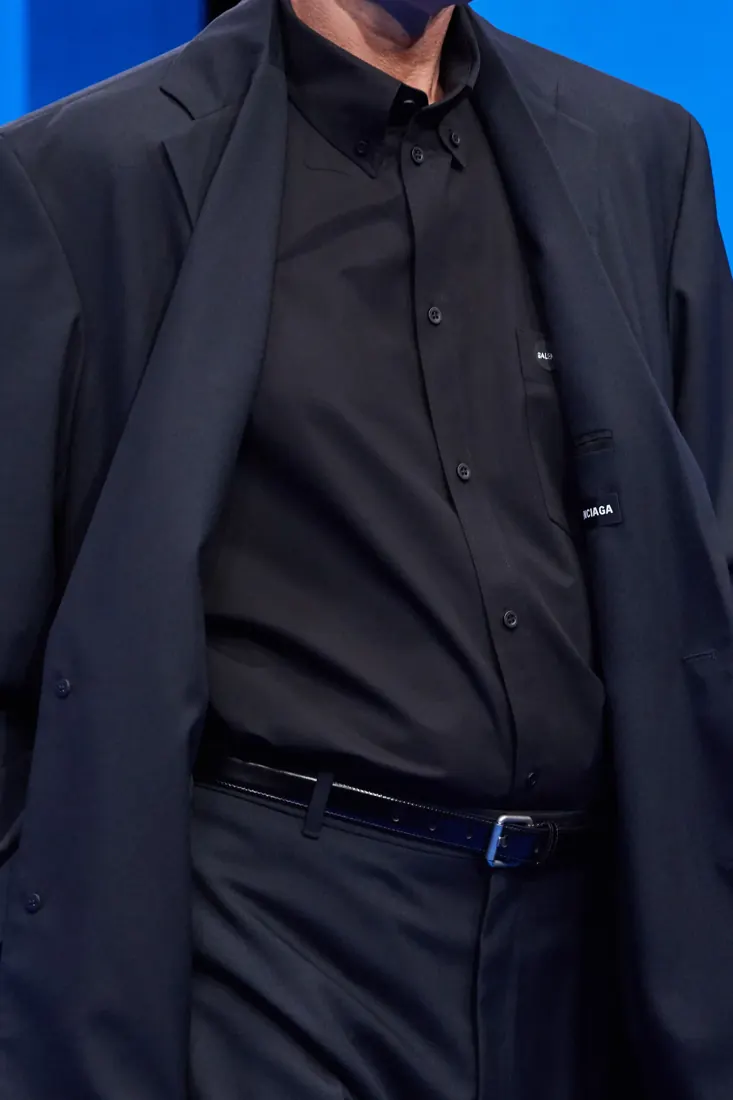

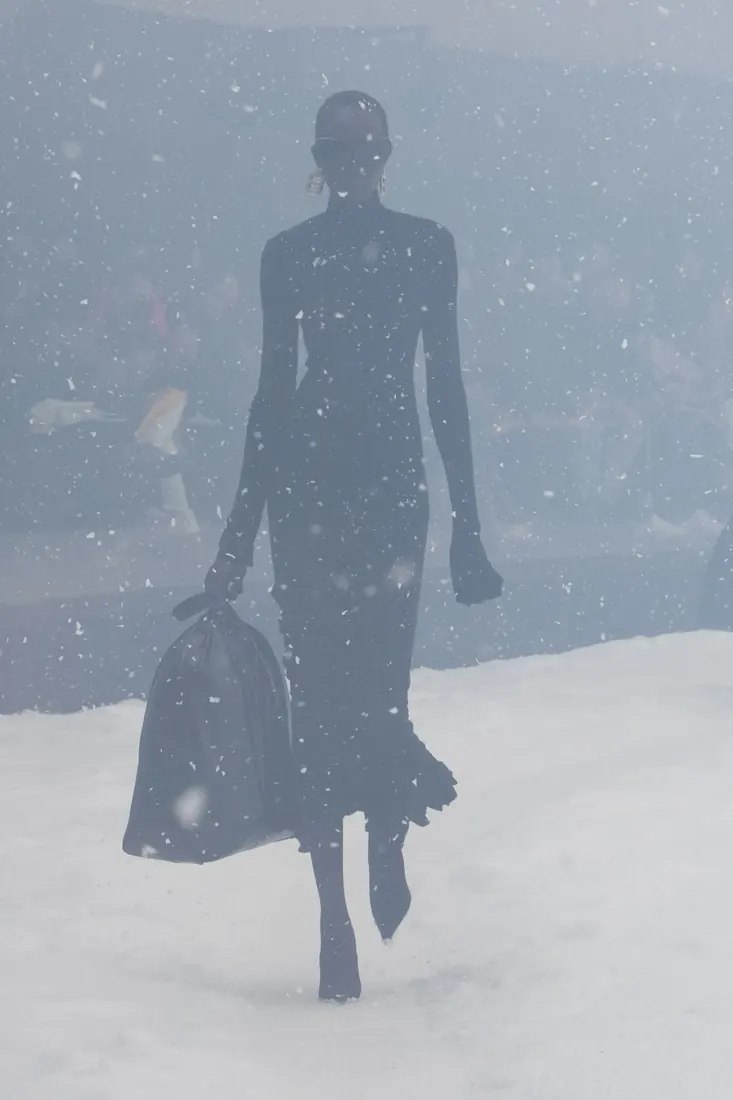
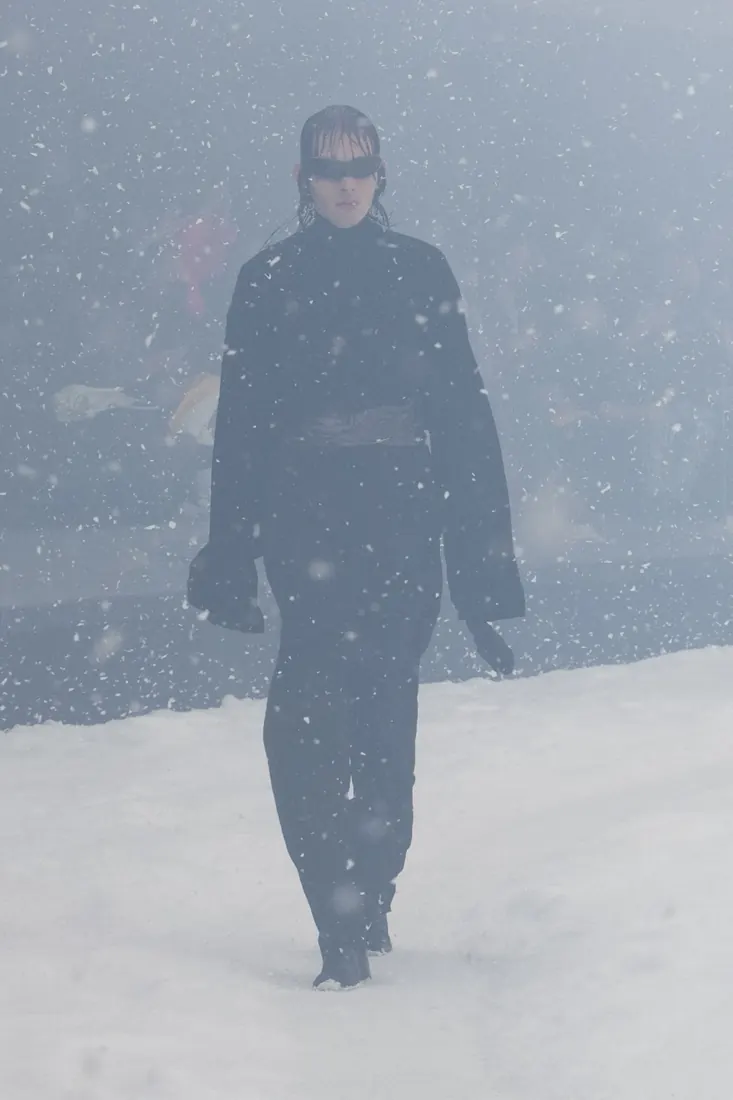
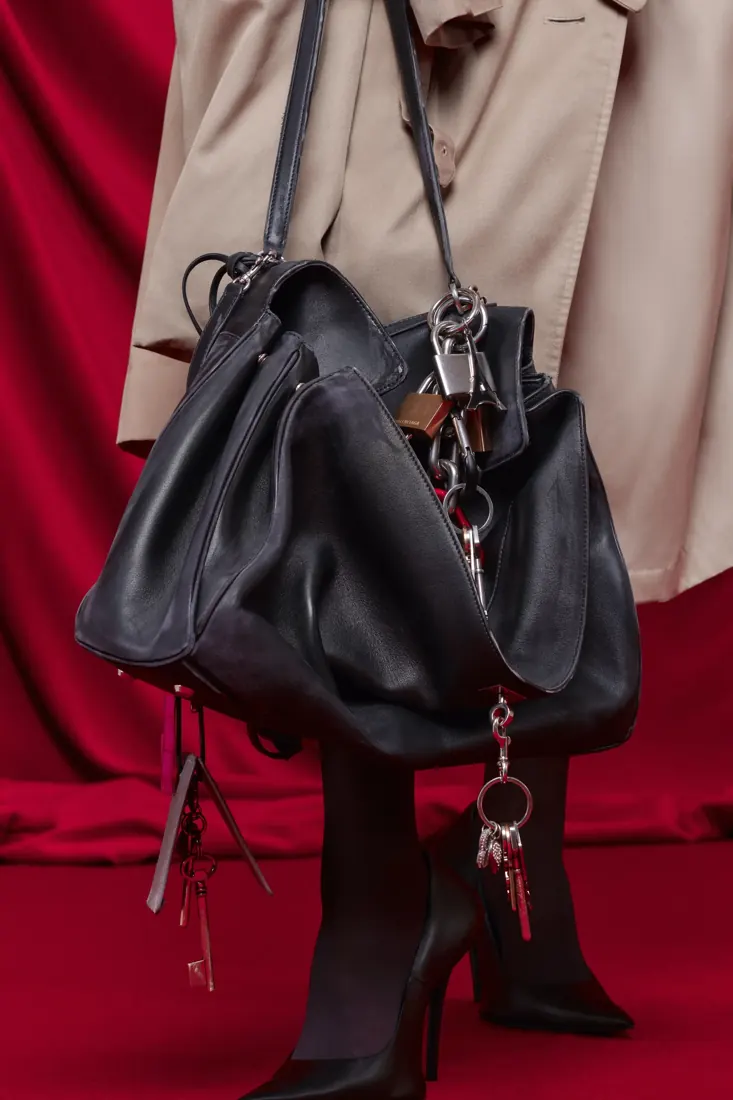
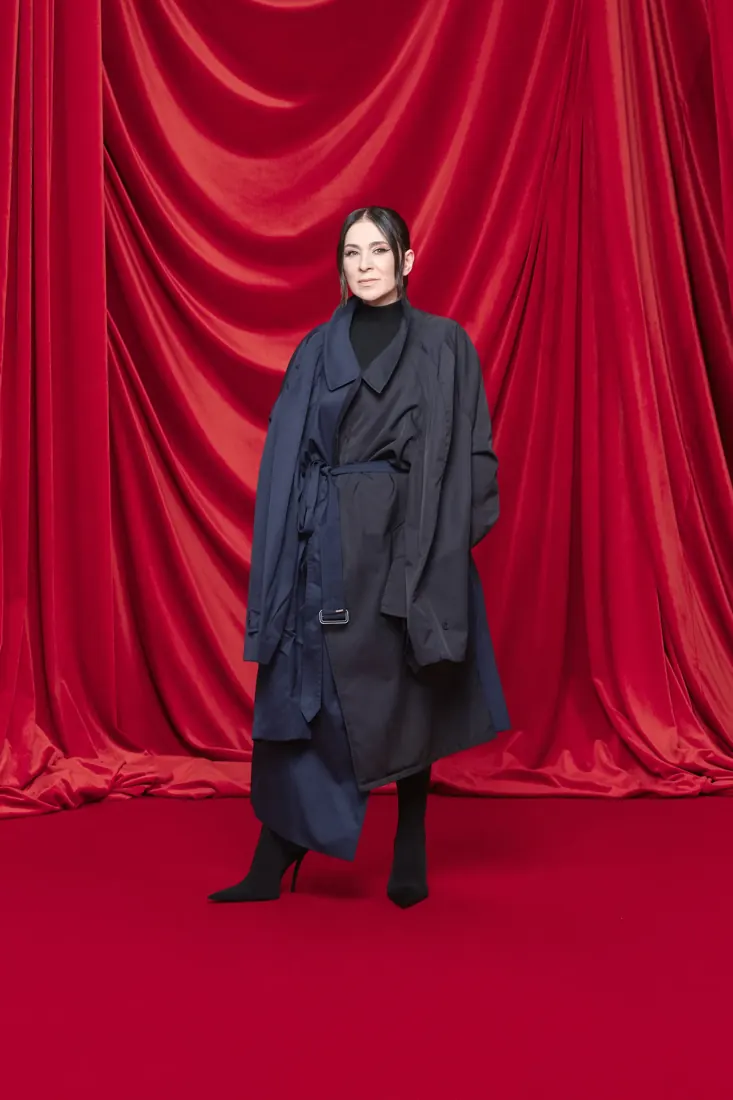
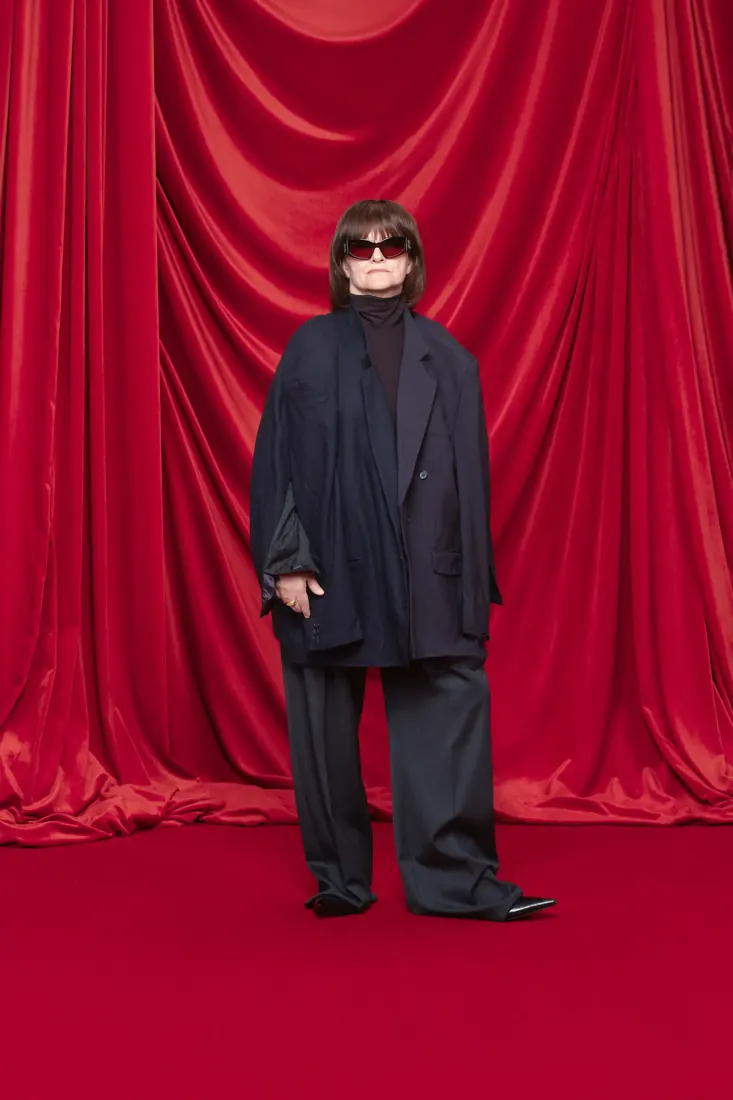
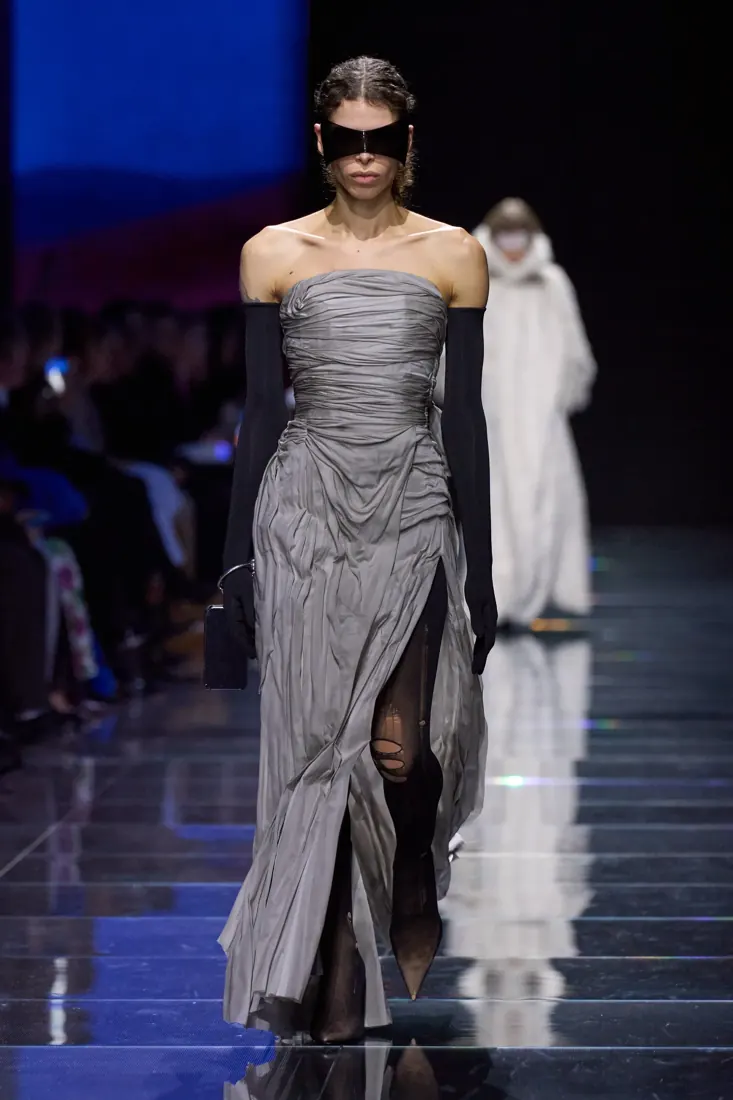
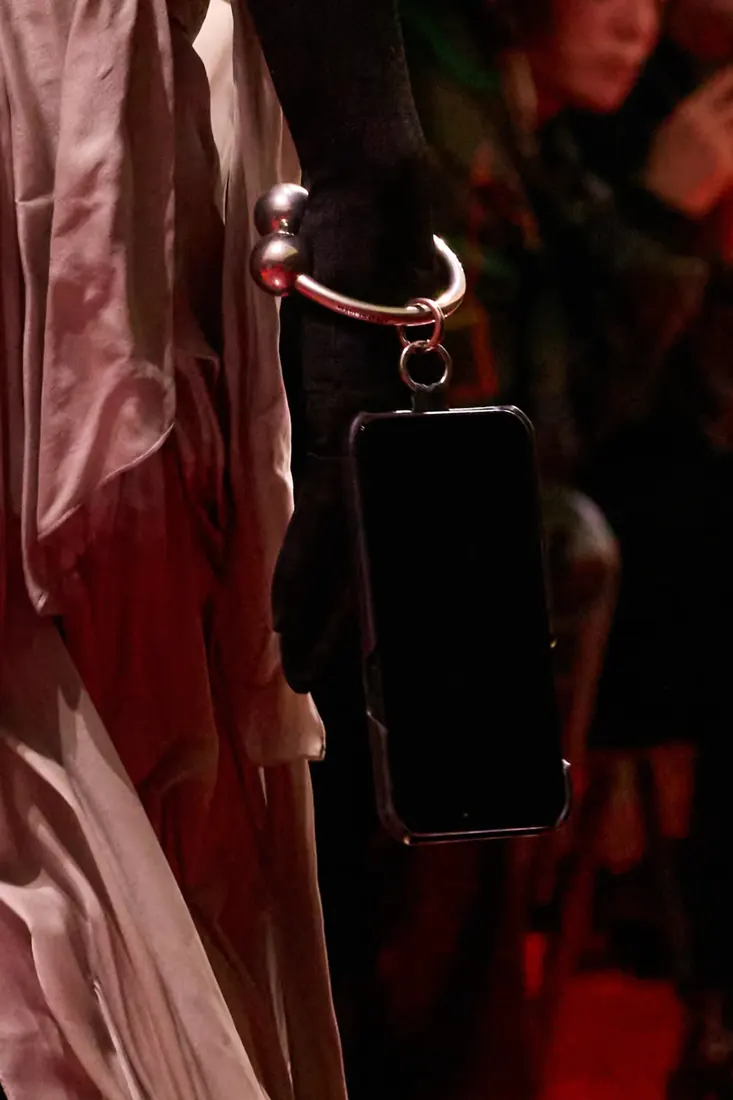
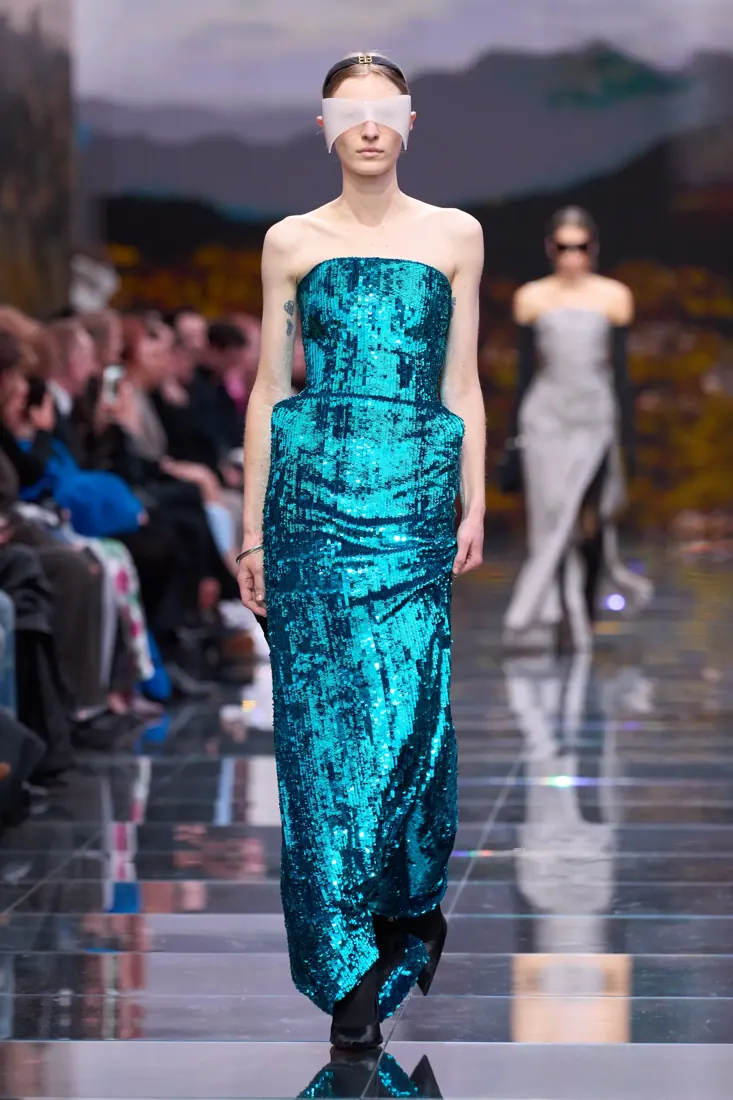
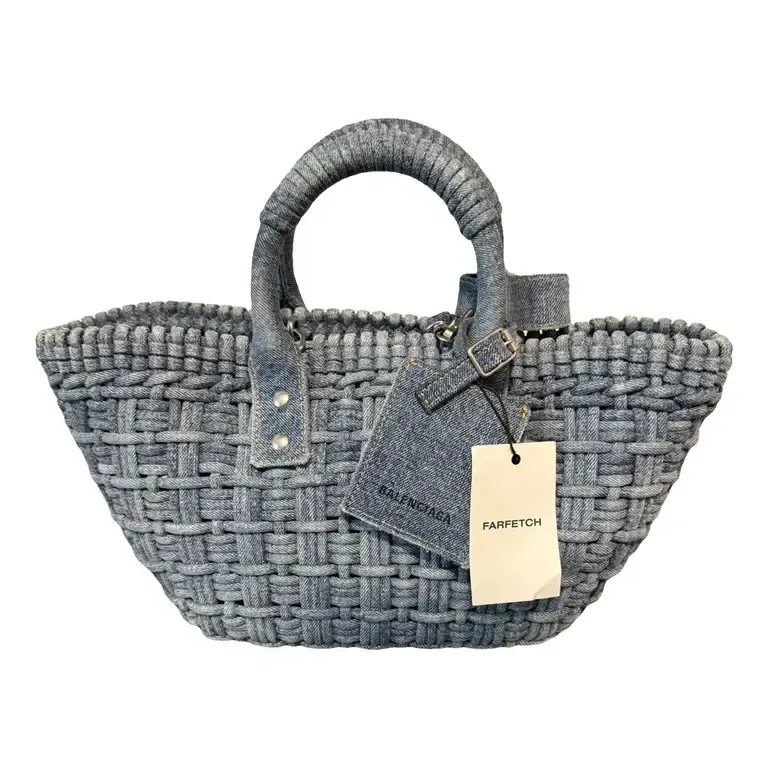
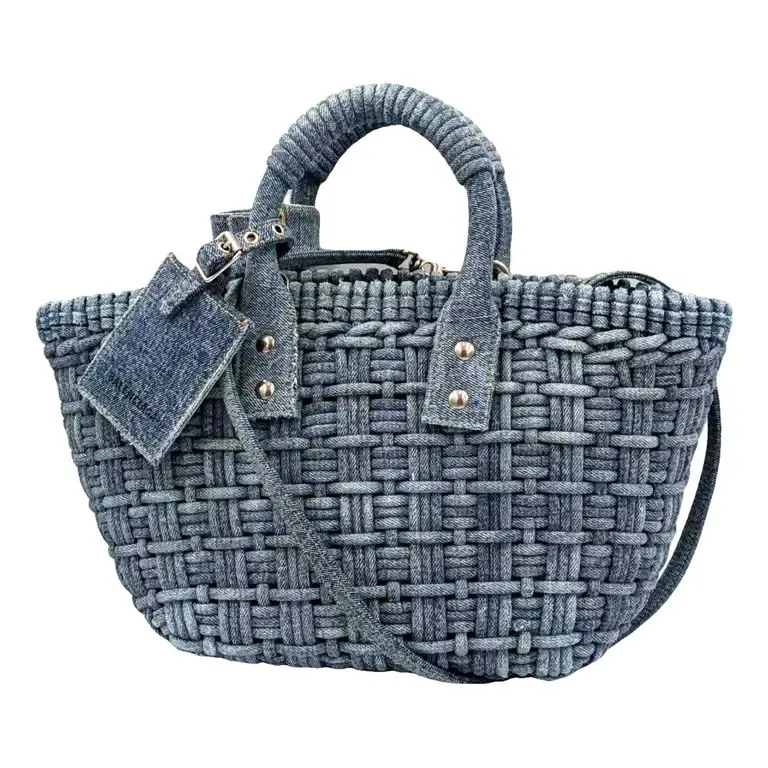
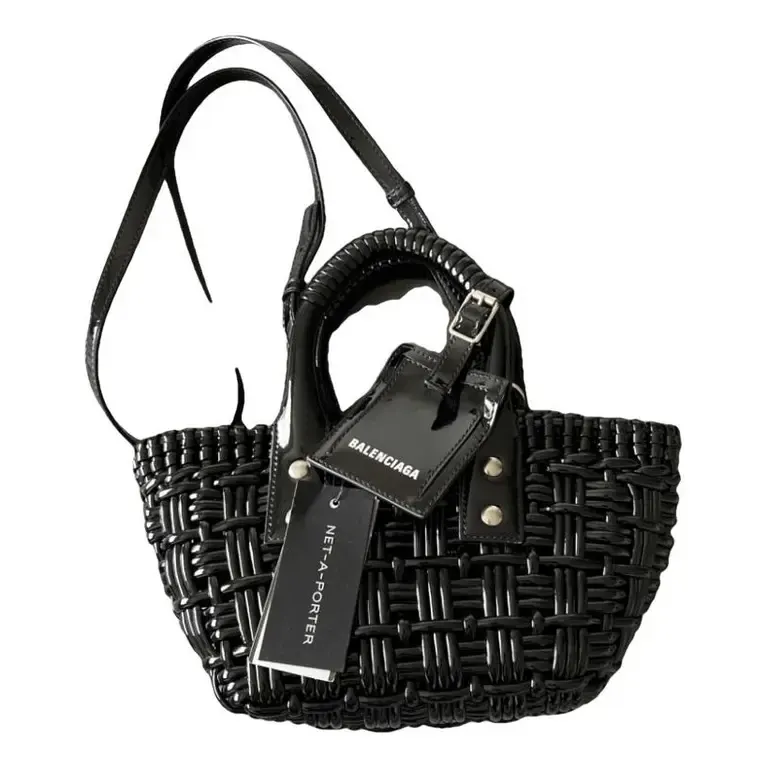
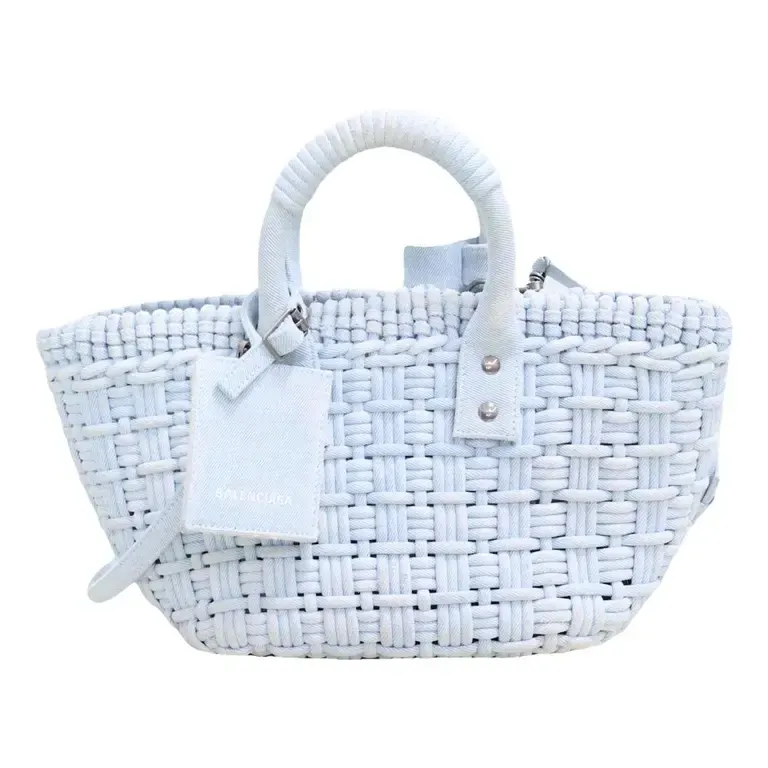
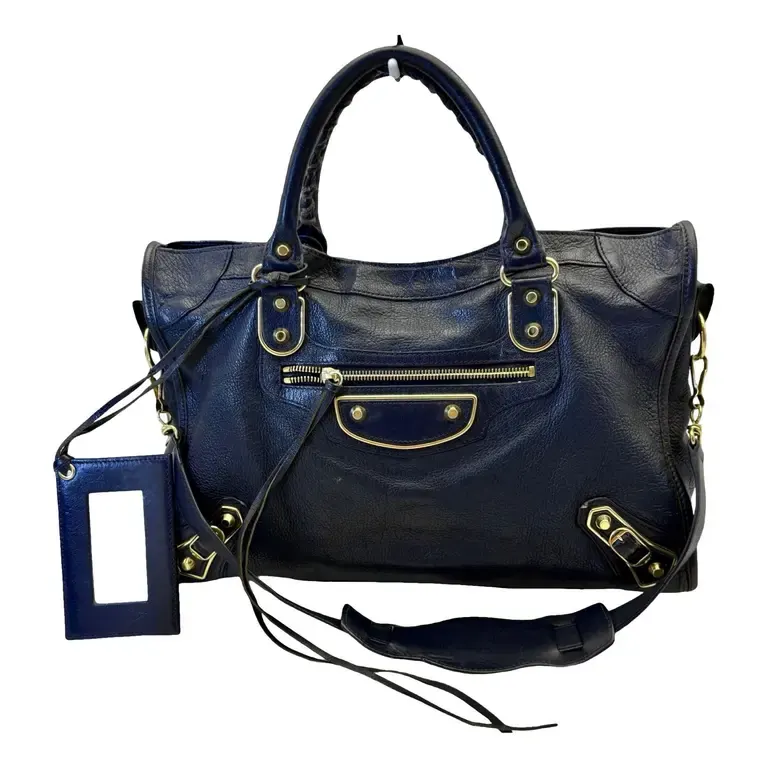
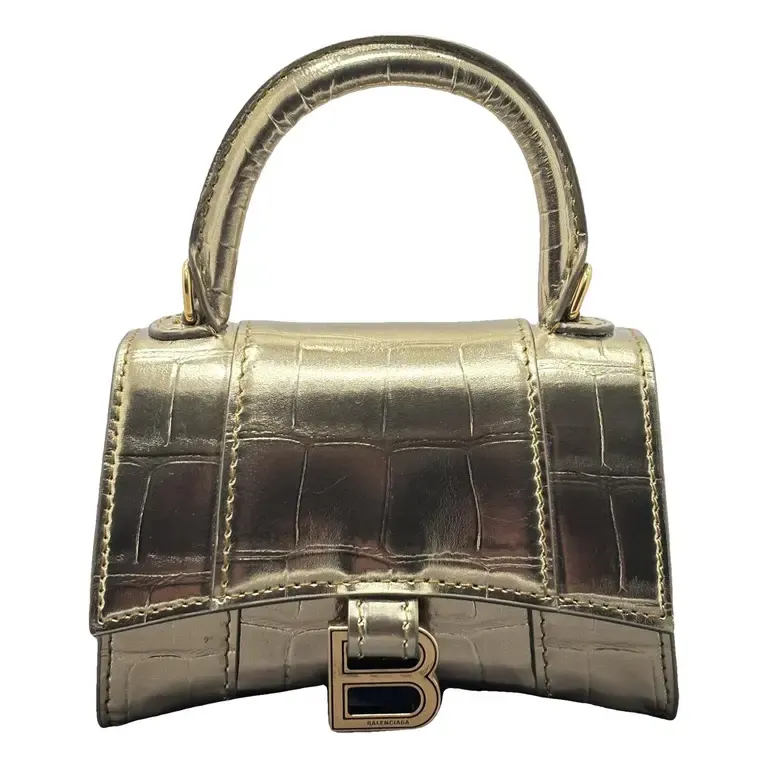
A selection of the house’s designs. Resale photographs illustrate individual examples; size, finish and condition vary.
Soft leather, tasselled zips and studded hardware define the motorcycle-bag family.
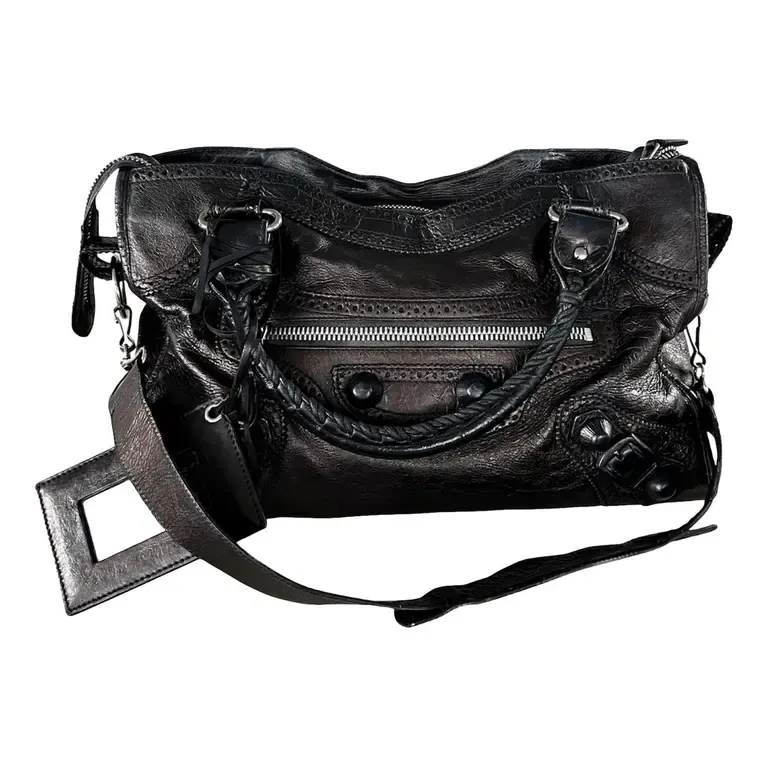
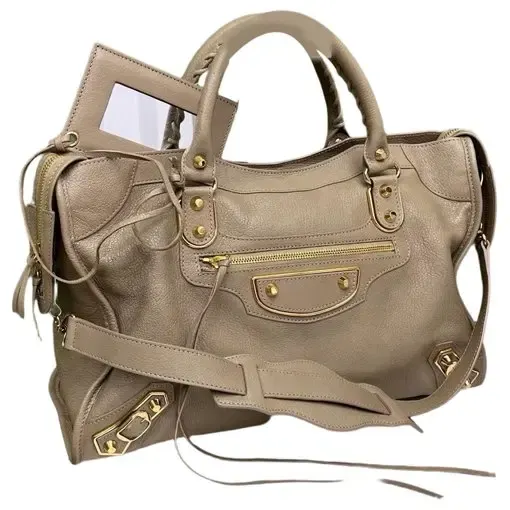
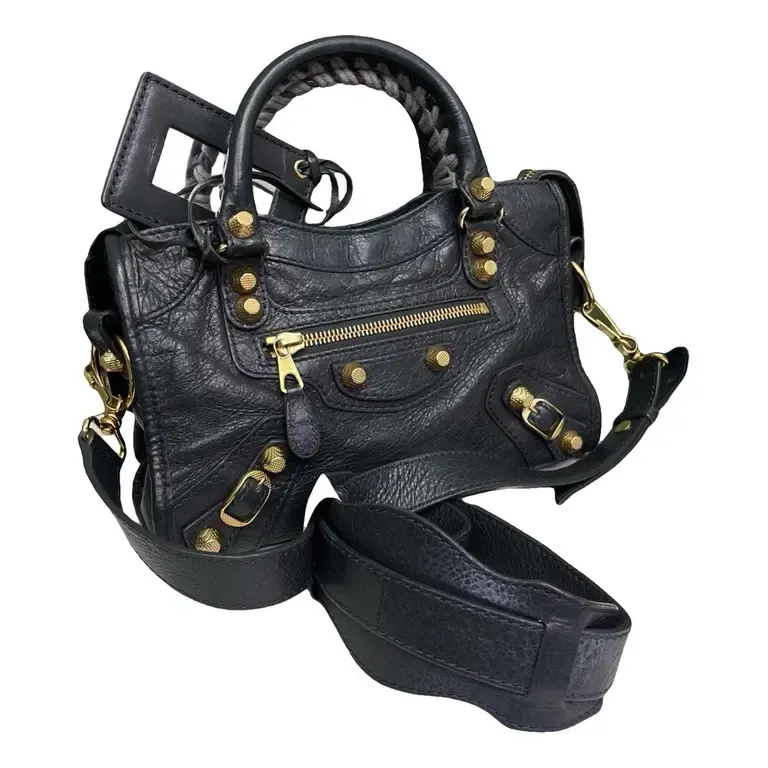
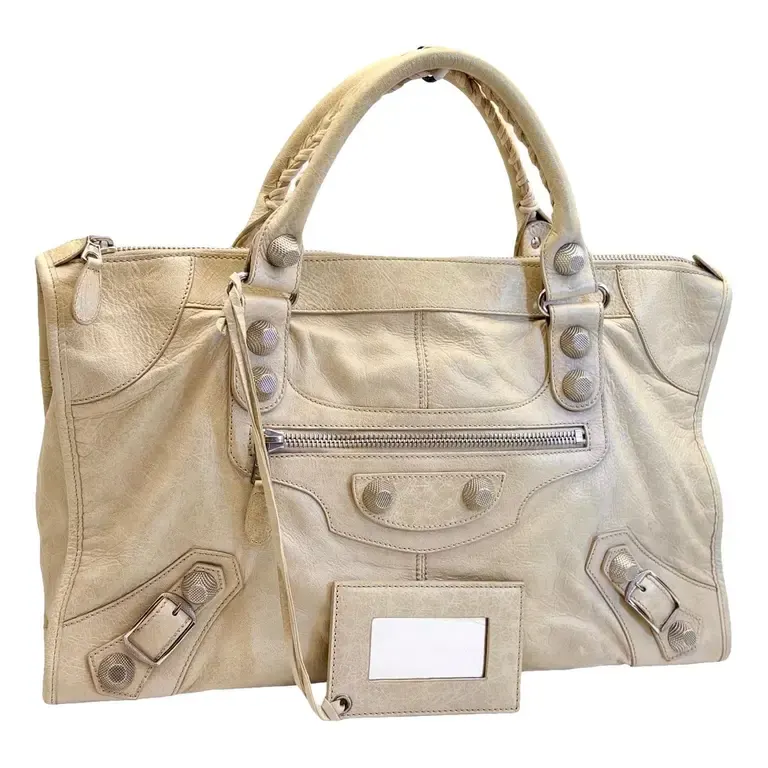
A curved base and sharply drawn flap translate tailoring into a handbag.
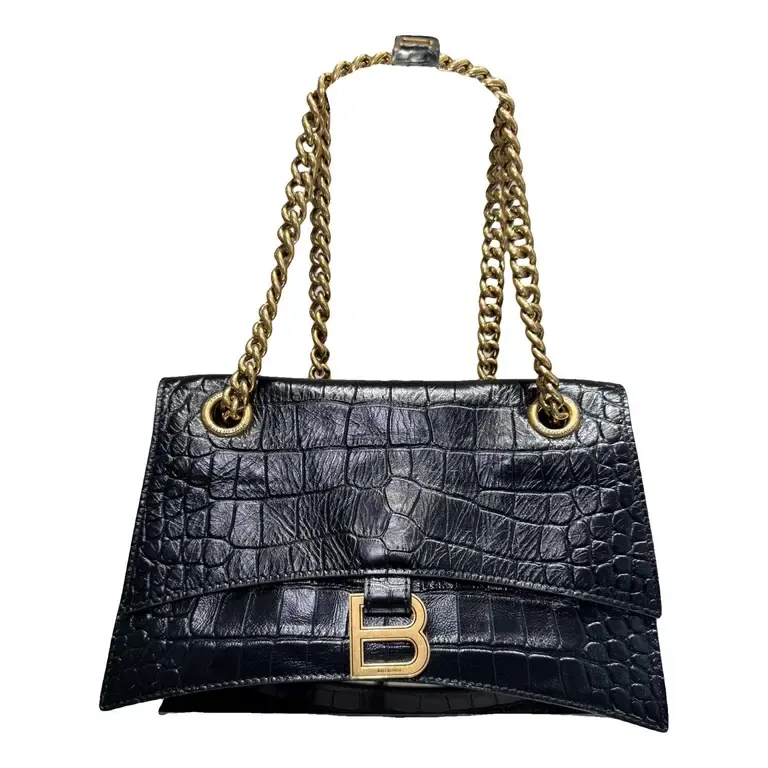
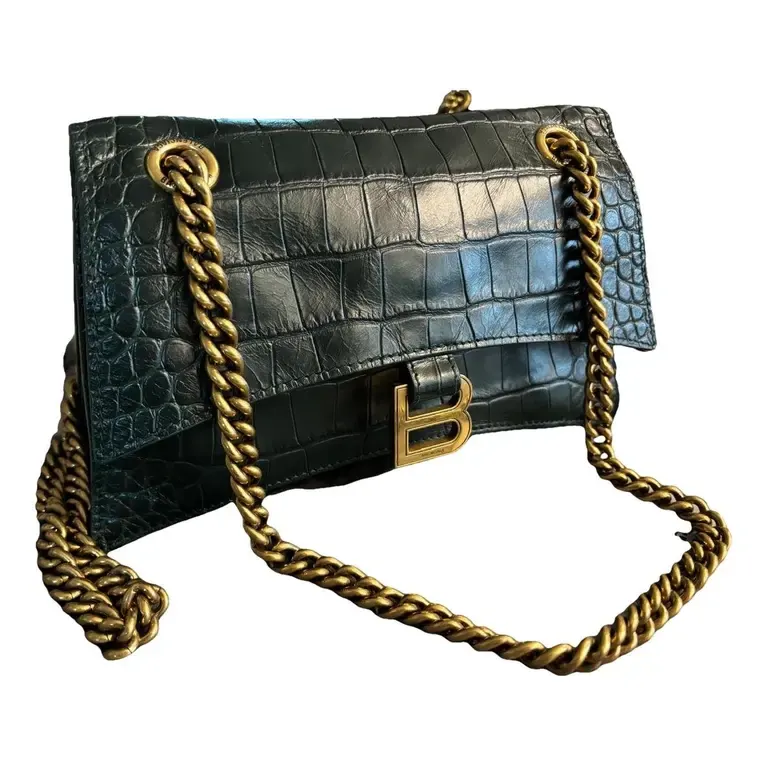
A curved shoulder bag that amplifies the City’s studs, buckles and decorative details.
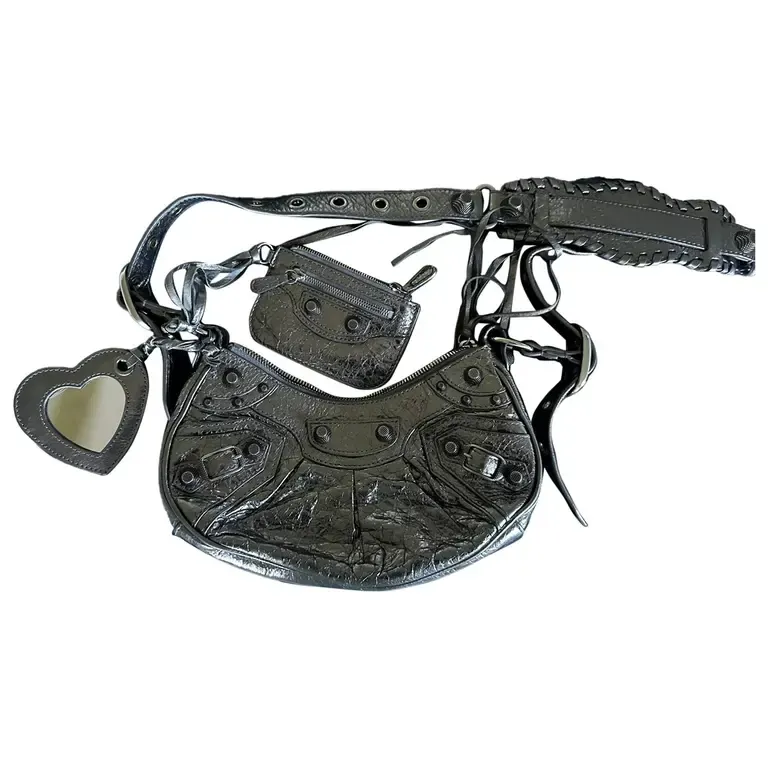
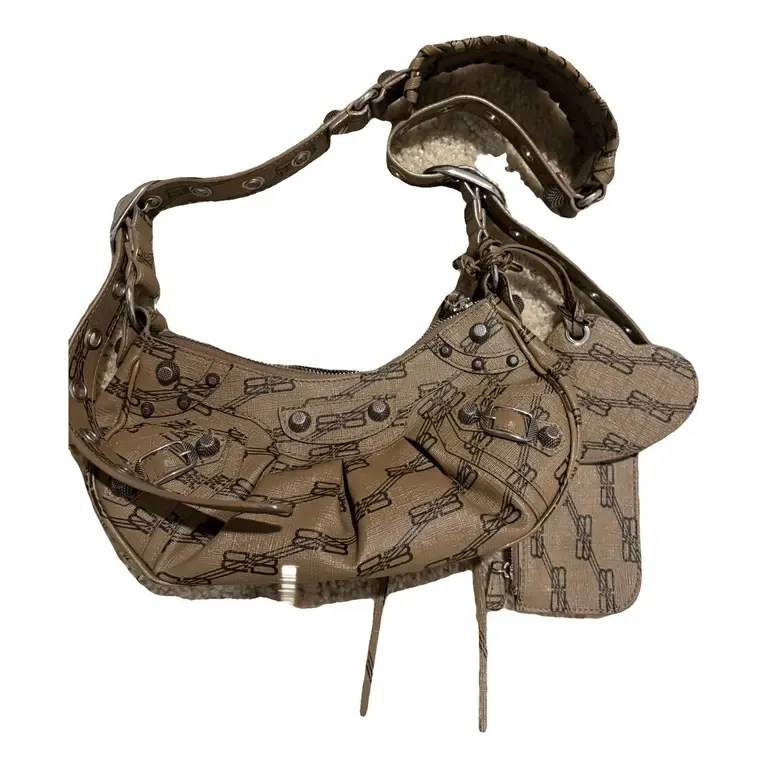
A more structured interpretation of the motorcycle bag’s hardware and proportions.
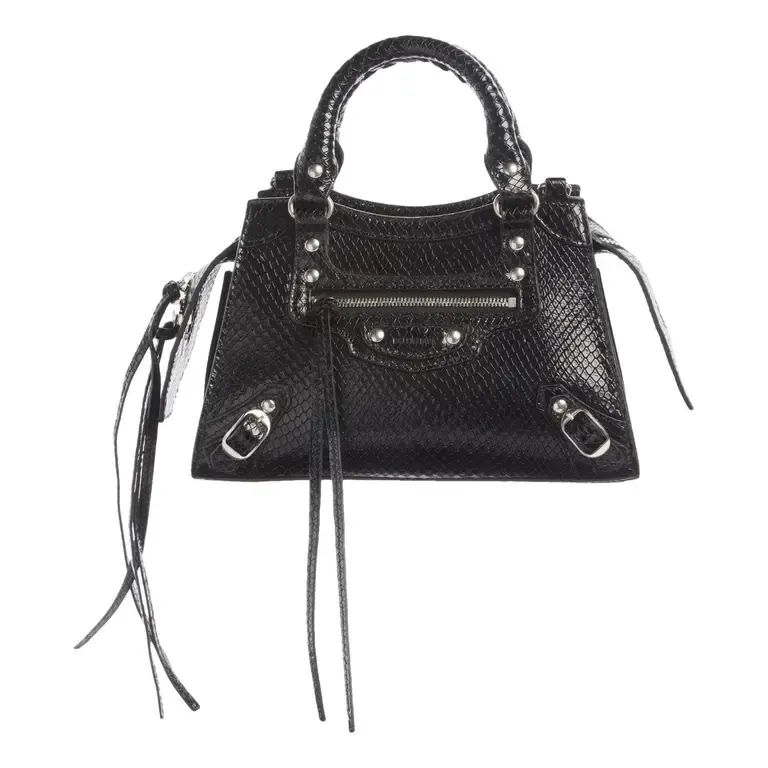
A pared-back leather tote with the proportions of a document carrier.
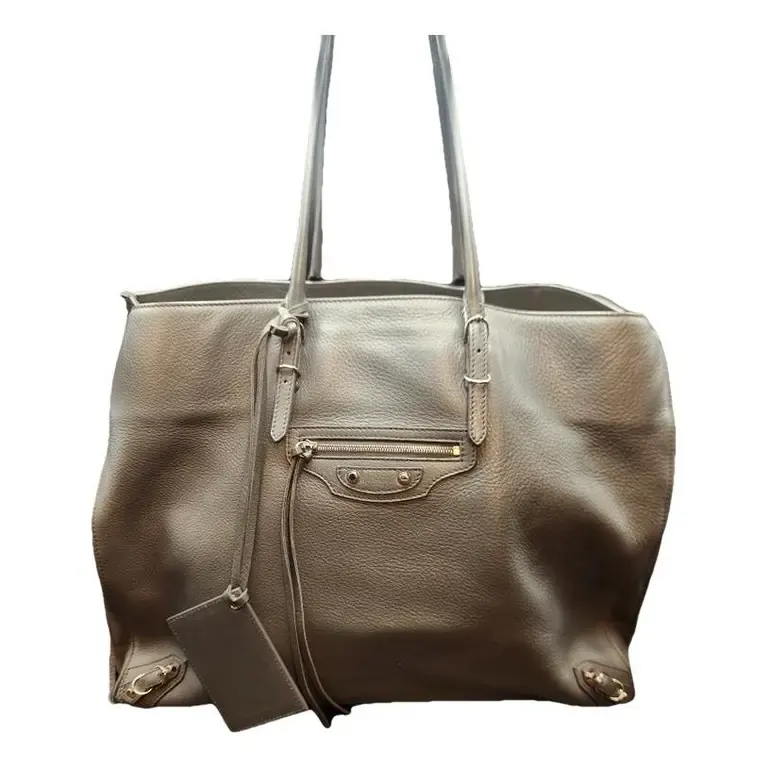
A roomy motorcycle-style bag with top handles and a long shoulder strap.
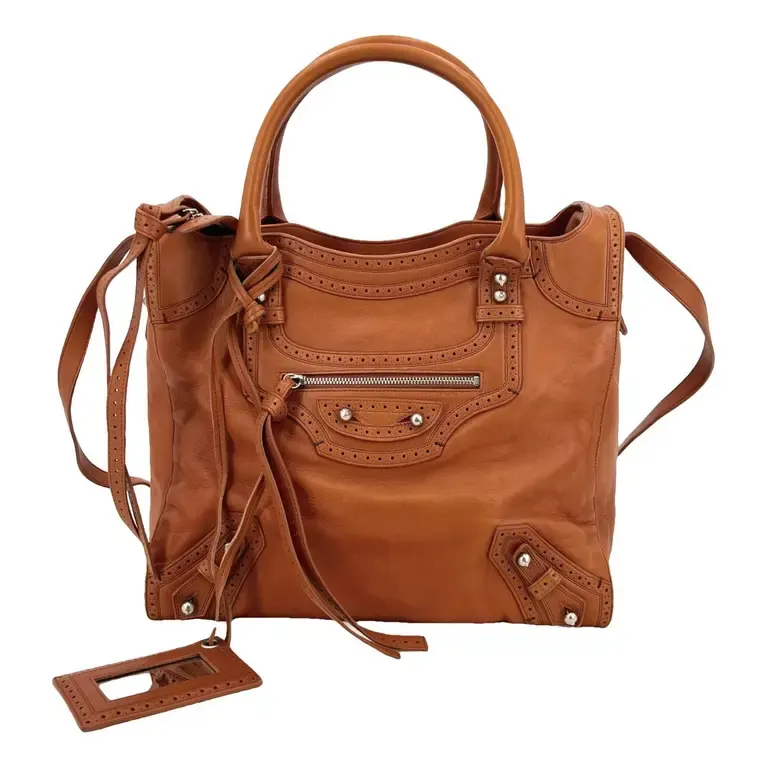
A structured, restrained top-handle design from Alexander Wang’s tenure.
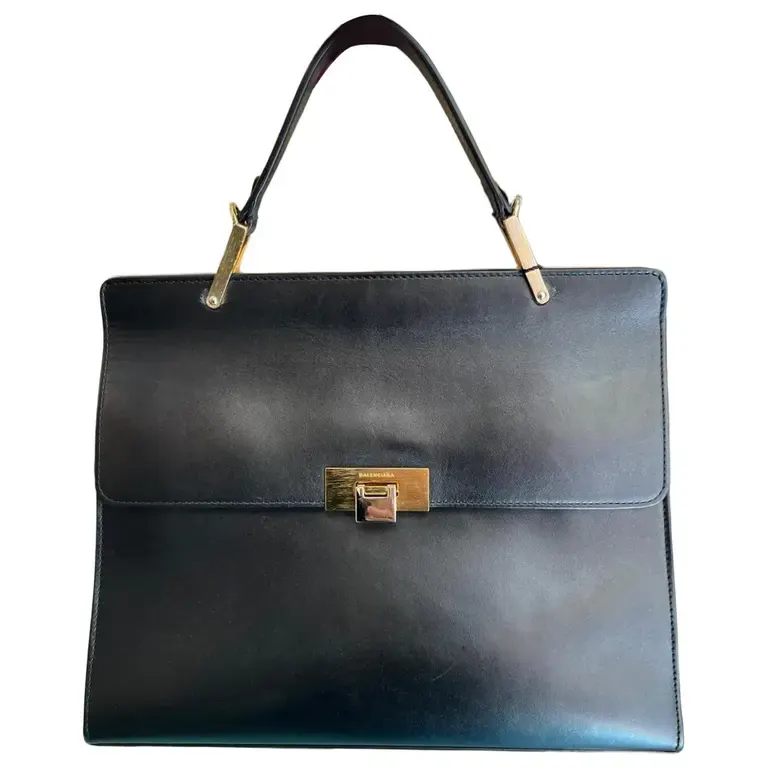
A woven basket silhouette translated into a fashion bag.