A Heritage Essay · No. 06

Bottega VenetaThe House & Its Designers

A leather-goods workshop in Vicenza, a woven technique born from a problem, the seventeen-year quiet revival under Tomas Maier, and the four creative directors who turned an artisan brand into the loudest house in luxury.

Scroll
An Introduction

The brand whose great commercial idea was, for forty years, to leave its name off the product.

Bottega Veneta was founded in 1966 in a small leather-goods workshop on the outskirts of Vicenza, in the foothills above Venice, by two men named Michele Taddei and Renzo Zengiaro. They had no fashion-house ambitions. They made bags, wallets, and small leather goods on contract for Italian and French luxury brands — including the early Gucci, the early Fendi, the early Saint Laurent — and they had developed, by accident, a weaving technique called intrecciato that was, at first, only a way to solve a manufacturing problem.

The problem was simple: the soft Italian leathers their workshop used were too thin to support the weight of a fully-loaded handbag without tearing at the seam-points. The two founders began cutting the leather into thin strips, hand-weaving the strips through a leather lattice, and stitching the resulting woven panel into bags. The technique reinforced the leather. It also produced one of the most-recognised handbag textures of the late twentieth century. For the next forty years, the brand sold its bags with no visible logo. The interior label read, simply, Bottega Veneta. The advertising line, written in 1980, was the most quietly arrogant in the industry: "When your own initials are enough."

What follows is the story of the brand in two chapters: the workshop, the buyout by what became Kering, the seventeen-year Tomas Maier era of disciplined quiet, the Daniel Lee revolution that gave us the BV green and the Pouch, the Matthieu Blazy years that re-engineered the leather into trompe-l'œil denim — and the next chapter, just opening, under the British designer Louise Trotter.

— Chapter One —

The House

A Vicenza workshop, a woven technique born from a problem, and the conglomerate that turned it into the loudest brand in luxury.

Workshop · Vicenza
No. 01
BV
The intrecciato weave — invented to reinforce thin Italian leathers — became, over forty years, the brand's signature.
To be replaced · Bottega Veneta archive · 1966 – 1980
1966

A workshop in the foothills above Venice.

Michele Taddei and Renzo Zengiaro met at a leather-making cooperative in the Veneto region of northern Italy in the early 1960s. Both were trained maestri — master leatherworkers — in a region whose specialty since the Renaissance had been the production of high-quality leather goods for the courts of Venice, Vienna, and Paris. They opened their own workshop, which they named Bottega Veneta — Venetian Workshop — in 1966, in a small industrial building in Vicenza, with a staff of about a dozen artisans.

For the first decade of the brand's existence, the workshop manufactured leather goods on contract for other luxury houses. It was not, in any meaningful sense, a brand with its own consumer following. It was a small, technically excellent supplier to brands that already had names. The product that would eventually carry the Bottega Veneta name into the future — the intrecciato, or "interwoven" leather — was developed during this period as a manufacturing fix. The thin, lightweight Italian Nappa leathers the workshop preferred for their softness were not, by themselves, structurally strong enough to support the seams of a fully-loaded bag. By cutting the leather into thin strips and hand-weaving them, the artisans produced a panel that was both visually distinctive and three times stronger than the equivalent un-woven leather. The technique was registered as a Bottega Veneta signature in 1975.

By the late 1970s, the workshop was producing intrecciato bags under the Bottega Veneta name and selling them through a small number of European boutiques. The clothes were not yet a category. The advertising was not yet a strategy. The most-photographed early customer was Andy Warhol, who bought a Bottega Veneta clutch in Milan in 1978 and was photographed with it for the next decade. The brand, by 1980, was a quiet international cult.

Michele Taddei · Renzo Zengiaro · Vicenza · 1966

Campaign · 1980
No. 02
"
"When your own initials are enough." — the 1980 print advertising line that defined the brand's anti-logo identity for the next twenty-five years.
To be replaced · Bottega Veneta print archive · 1980
1980

"When your own initials are enough."

The most consequential commercial decision the brand ever made was negative. In 1980, at a moment when every Italian luxury house in Milan was racing to put its logo on the outside of every leather good it made — Louis Vuitton's monogram canvas, Gucci's interlocking GG canvas, Fendi's FF — Bottega Veneta ran a print advertisement in Vogue Italia with a single line of copy: "Quando le vostre iniziali sono sufficienti." When your own initials are enough.

The line was the work of a Milan-based copywriter named Mario Pierino. The campaign positioned Bottega Veneta as the explicit alternative to the logo-obsessed Italian fashion industry. The product, in the campaign, carried no exterior branding. The only identifier was the intrecciato itself — a texture so distinctive that, the campaign argued, the brand did not need to put its name on the outside of the bag. The customer knew. That was the point.

The strategy worked, slowly, for a small but devoted high-net-worth clientele across Europe and the United States for the next twenty years. Bottega Veneta did not become a household name in this period. It became, instead, a quiet shibboleth — the bag carried by a small set of consumers who, by some combination of taste and inheritance, did not want to wear a logo. Anna Wintour bought one in 1984. Lauren Hutton in American Gigolo (1980) was photographed with one. The bag, in this period, sold for high prices but in low volumes, and the brand's annual revenue, by the late 1990s, was still under fifty million dollars.

Mario Pierino · the no-logo advertising line · 1980

2001

Gucci Group, then Kering.

By 2000, Bottega Veneta was at a financial impasse. The founders — Taddei and Zengiaro, both now in their seventies — had retired in the late 1980s. The brand had passed to Vittorio and Laura Moltedo, a husband-and-wife team who had built the wholesale and retail distribution but had not modernised the design language. Sales were stagnating. Profitability was thin. The intrecciato was respected but increasingly seen, by the fashion press, as a 1980s relic. The Moltedos began looking for a buyer.

The buyer turned out to be the Gucci Group — the holding company that Tom Ford and Domenico De Sole had spent the previous decade rebuilding into a multi-brand luxury conglomerate, and that François Pinault's Pinault-Printemps-Redoute (later renamed Kering) had acquired control of in 1999. In February 2001, Gucci Group acquired one hundred percent of Bottega Veneta for an undisclosed price reported in the trade press at roughly one hundred and fifty million dollars. The Moltedos cashed out. The brand was, for the first time in its thirty-five-year history, owned by a public-company conglomerate.

Tom Ford's first instruction to his new acquisition was straightforward: find a creative director. Bottega Veneta did not have one. It had a workshop and a wholesale-distribution business but no single designer with authority over the seasonal collections. Ford, who had been running Gucci's design himself for seven years, knew that the brand needed a unifying creative vision if it was going to grow under the conglomerate's ownership. The search, conducted by Domenico De Sole and the Gucci Group leadership team in 2001, settled on a forty-three-year-old German designer who had spent the previous twenty years working at Hermès, Sonia Rykiel, and Revillon — a designer named Tomas Maier.

Gucci Group · Tom Ford · Domenico De Sole · 2001

Acquisition · 2001
No. 03
Gucci Group acquires Bottega Veneta for roughly €150 million, ending thirty-five years of family ownership and installing Tomas Maier as creative director.
To be replaced · Reuters / WWD · Feb 2001
2001 – 2018

Tomas Maier spends seventeen years rebuilding the house — slowly, deliberately, and almost entirely without press attention.

Maier era · 2002
No. 04
TM
Tomas Maier — the German designer who quietly grew Bottega Veneta from a fifty-million-dollar artisan brand into a billion-dollar quiet-luxury house across seventeen years.
To be replaced · Bottega Veneta press · 2001 – 2018
2001

Tomas Maier and the seventeen quiet years.

Tomas Maier was, in many ways, an unobvious choice. He was German, not Italian. He was, by 2001, a forty-three-year-old workmanlike designer with a CV but no public profile. He had spent his career at houses — Hermès, Sonia Rykiel, Revillon — that valued discretion over runway theatre. He owned a swimwear brand in West Palm Beach that he ran on the side. The fashion press, at the time of his hire, called the appointment "underwhelming."

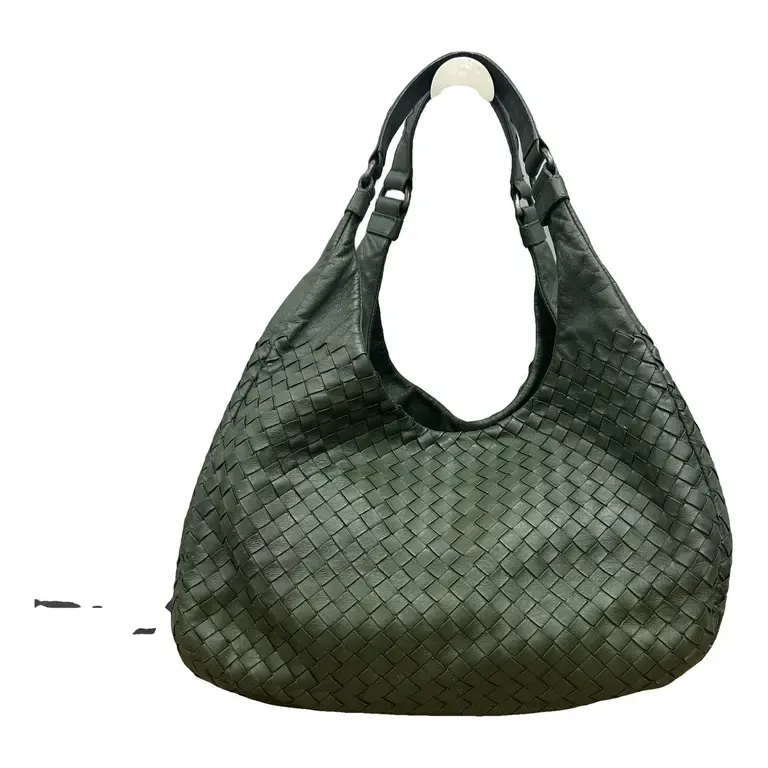
Over the next seventeen years, Maier executed one of the most successful luxury-brand rebuilds of his generation. He did three things in particular. He sharpened the intrecciato — re-engineering the weave for a wider range of leathers, a tighter or looser pattern depending on the bag, and a more uniform finish. He introduced the Cabat in 2002 — a soft, unstructured, fully-reversible woven tote that became, almost immediately, the most-resold Bottega Veneta bag on the secondary market. And he doubled down on the no-logo strategy: under his hand, the brand's only branding was the intrecciato itself, plus a small interior label, plus the soft white-on-white visual identity of the boutiques, which he personally art-directed.

Maier expanded the brand into ready-to-wear in 2005, eyewear in 2006, fragrance in 2011, and shoes throughout. The Veneta hobo — the soft, slouchy, intrecciato-handled bag that became the brand's second-most-iconic silhouette — was introduced in 2002. The brand's annual revenue, by 2013, had grown to over one billion euros. By 2017, it was over one-point-two billion. Maier had, in seventeen years, turned a fifty-million-dollar artisan brand into the most profitable quiet-luxury house in the Kering portfolio.

The fashion press, across this seventeen-year stretch, almost never wrote about him. He gave few interviews. He did not court influencer attention. He lived between Miami and a small town in Tuscany. He was, by every account, the designer that the no-logo strategy demanded.

Tomas Maier · 2001 – 2018 · the Cabat, the Veneta hobo, the quiet decade-and-a-half

When your own initials are enough.
— Bottega Veneta print advertising, 1980
Lee Debut · Feb 2019
No. 05
DL
Daniel Lee's first Bottega Veneta collection — Milan, February 2019 — introduces the BV green, the Pouch silhouette, and a brand identity at maximum decibel.
To be replaced · Vogue Runway · Feb 2019
June 2018

Kering bets on a thirty-two-year-old.

By 2018, Kering had decided the seventeen-year Maier era had run its course. The brand's revenue had plateaued at around one-point-two billion euros. The cultural conversation around quiet luxury was migrating — younger consumers wanted brands with social-media presence and personality. The conglomerate, under François-Henri Pinault, wanted Bottega Veneta to participate in the loud Instagram-era luxury boom that Alessandro Michele was running at Gucci.

In June 2018, after a year of quietly searching for a successor, Kering announced that Tomas Maier would be replaced by a thirty-two-year-old British designer named Daniel Lee. Lee had spent the previous decade in Phoebe Philo's design studio at Celine in Paris, where he had risen to lead the women's ready-to-wear team. He had never had his own house. He had no public profile. Kering's bet — and it was, by every credible account, the personal bet of François-Henri Pinault himself — was that Lee's combination of Philo-trained restraint and a younger, more product-aware sensibility would re-translate Bottega Veneta for a generation that had not grown up reading the 1980 "initials" advertisement.

Lee's first collection, shown in Milan in February 2019, did almost everything the previous seventeen years had not. It introduced the colour that became known instantly as BV green — a vivid, slightly acid, parakeet-leaning shade that the brand began using on every campaign, every store front, and every press send-out. It introduced the Pouch — a soft, gathered, body-of-the-bag-only-with-no-handles silhouette in puffy quilted leather that became, within six months, the most-photographed handbag on Instagram. It introduced the chunky, square-toed BV mules and the Padded Cassette and the curl-strap handbag and a half-dozen other silhouettes that, taken together, accomplished in eighteen months what the previous seventeen years had not: a viral cultural moment.

Daniel Lee · Kering · June 2018 · the thirty-two-year-old hire

BV Green · 2019
No. 06
#
The acid-parakeet shade Daniel Lee introduced in his second season became, within a year, the most-screen-shot colour on luxury Instagram.
To be replaced · BV campaign · 2019 – 2021
2019

The Pouch, the green, the Instagram era.

The Pouch — released in October 2019 at a retail price of two thousand four hundred dollars — became the fastest-selling handbag in Bottega Veneta's history. Within six months of launch, the brand was supply-constrained on it; waitlists at the Milan flagship reached six months. The Padded Cassette, released the following year, was supply-constrained at fifteen-month waitlists. The Lido mule sold out in every colour. The brand's revenue, in 2019, grew eight percent on a comparable-store basis. In 2020 — a year in which the entire luxury industry contracted by twenty-three percent — Bottega Veneta grew. In 2021 it grew by twenty-four percent. Lee, in three years, had increased the brand's revenue by roughly fifty percent.

The cultural strategy that Lee built around the product was, in 2020, equally radical. He took the brand off Instagram, off Facebook, and off Twitter — closing all three accounts in January 2021 — and began publishing a quarterly magazine called Issued by Bottega that featured commissioned photography, essays, and the season's lookbook. The closure of the Instagram account, in particular, was treated as a major news story by the fashion press. The argument the brand made — that the cultural conversation around its product had grown loud enough that the brand itself did not need to participate in the social-media noise — was, in its way, a 2021 restatement of the 1980 "When your own initials are enough" idea.

And then, in November 2021, three months after the closure of the social-media accounts, Daniel Lee abruptly left.

The Pouch · the Cassette · the closed Instagram · the brand at maximum decibel

November 2021

The exit no one ever publicly explained.

On the tenth of November, 2021, Kering issued a one-sentence press release: "Bottega Veneta and Daniel Lee have jointly decided to end their collaboration." No further explanation was given. The trade press, at the time, reported that Lee and the CEO of Bottega Veneta, Leo Rongone, had clashed over creative-direction questions for the upcoming year. Lee left without giving an interview. Rongone was himself replaced within months. The British-Vogue version of the story, published a year later, suggested that the relationship had become difficult quickly. The Italian version suggested that Lee had wanted control over the brand's commercial strategy that Kering was not willing to give a thirty-five-year-old.

Within twenty-four hours of Lee's departure, Kering announced his successor: Matthieu Blazy, a Belgian designer who had spent the previous year as the ready-to-wear director at Bottega Veneta under Lee. Blazy had been at Maison Margiela under Martin Margiela himself, then at Raf Simons's studio, then at Calvin Klein under Raf, then at Celine briefly. He was — and this was widely noted at the time — the second consecutive thirty-something British-or-Belgian designer with a Phoebe-Philo-adjacent CV to take over the house in three years.

Blazy's first collection, in February 2022, was the most-reviewed Bottega Veneta debut of the modern era. The reviews were almost uniformly positive. The British Vogue review, by Sarah Mower, called it "the most quietly confident debut Milan has seen in a decade." His second, his third, and his fourth collections each generated similar press. By 2024, Blazy had won the British Fashion Council's Designer of the Year award twice — in 2022 and again in 2023 — and Bottega Veneta's revenue, by the end of 2023, had grown to roughly one-point-eight billion euros.

Then, in December 2024, Chanel hired him away.

November 2021 · Lee leaves · Blazy succeeds within 24 hours

Blazy Era · 2022
No. 07
MB
Matthieu Blazy — Belgian, La Cambre-trained, three years at Bottega before Chanel hired him away in December 2024.
To be replaced · Vogue Runway · Feb 2022
December 2024

Louise Trotter inherits the next chapter.

The Chanel hire of Matthieu Blazy in December 2024 was, by every measure, the most-watched creative-director move of the year. The downstream question — who would replace Blazy at Bottega Veneta — was answered in March 2025: Kering announced that the British designer Louise Trotter, then the creative director of Carven and previously the head of design at Lacoste and Joseph, would take over. Trotter was the first woman ever to hold the creative-director title at Bottega Veneta in its fifty-nine-year history. She had spent the previous fifteen years on the slightly-quieter, slightly-more-commercial end of the European fashion industry — three years at Carven, six years at Joseph, three at Lacoste. Her debut collection at Bottega Veneta was scheduled for the Milan Spring/Summer 2026 show in September 2025.

The early reviews of her debut, published in late September 2025, were carefully positive. The collection retained Blazy's leather-engineering exactness — the trompe-l'œil materials, the soft tailoring — and added a slightly more accessible commercial proposition. The press, at the moment of writing, has begun describing the brand as the third creative-director era in seven years. Whether the next phase of Bottega Veneta will be a Lee-style viral acceleration, a Blazy-style critical apex, or a Maier-style quiet decade, is the conversation of the next half-decade. The intrecciato is still the centre of the business. The Cabat, the Veneta, the Pouch, the Cassette, and (under Blazy) the woven Andiamo are still the centre of the bag line. The "When your own initials are enough" advertising line of 1980 is still, at some level, the brand's defining idea.

The brand is now, in 2026, a roughly two-billion-euro business owned by Kering — François-Henri Pinault's holding company — and is, after Gucci and Saint Laurent, the third-largest brand in the Kering portfolio. The intrecciato that two Vicenza artisans developed in 1966 to solve a practical leather-strength problem is, in cumulative dollar terms, one of the most successful pattern-trademarks any luxury house has ever owned. The Andy Warhol clutch from 1978 was a quiet bet on the future. Sixty years later, the bet has paid out at scale.

Louise Trotter · Carven → Bottega Veneta · September 2025 debut

Trotter · 2025
No. 08
LT
Louise Trotter — the first woman ever to hold the creative-director title at Bottega Veneta in its fifty-nine-year history.
To be replaced · Kering press · March 2025
— Chapter Two —

The Designers

3 eras, 7 shows, 147 looks. Click any show for the full runway gallery.

Womenswear · 2001 — 2018

Tomas Maier

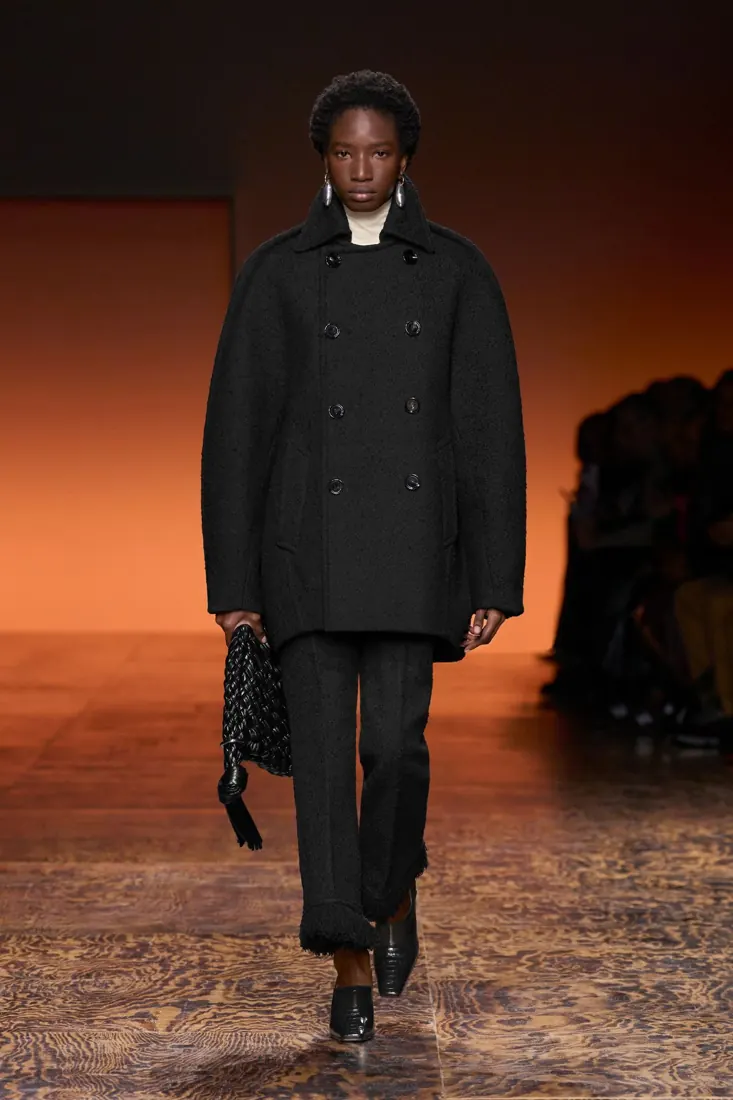
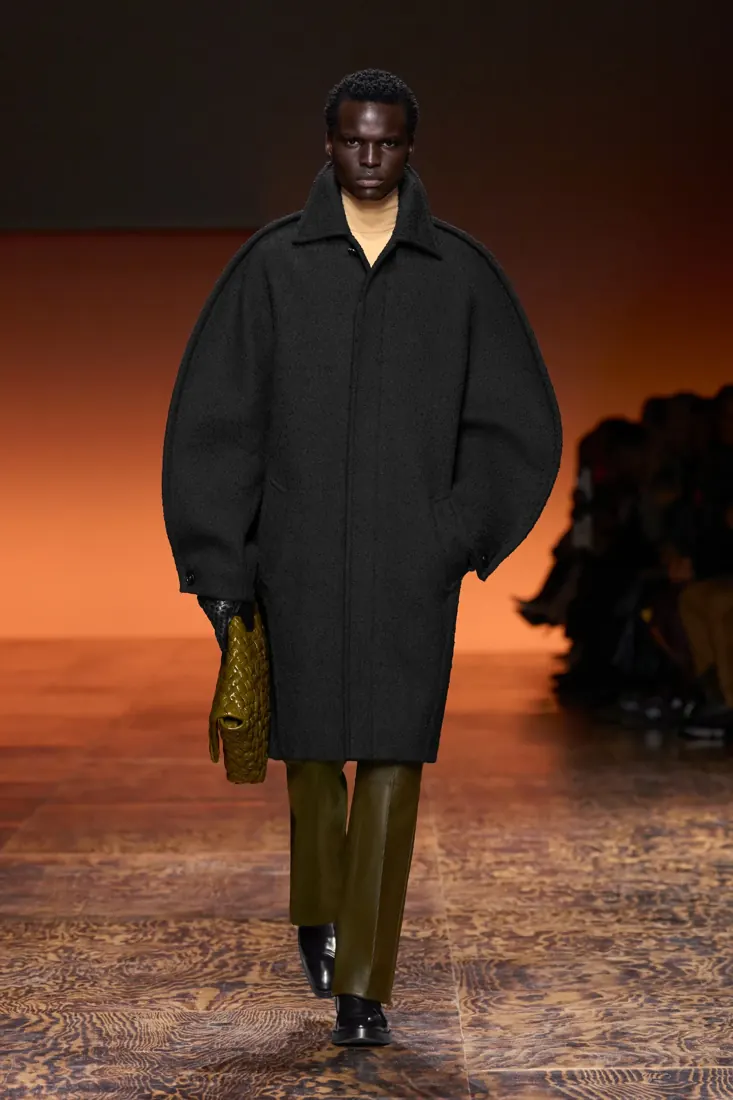
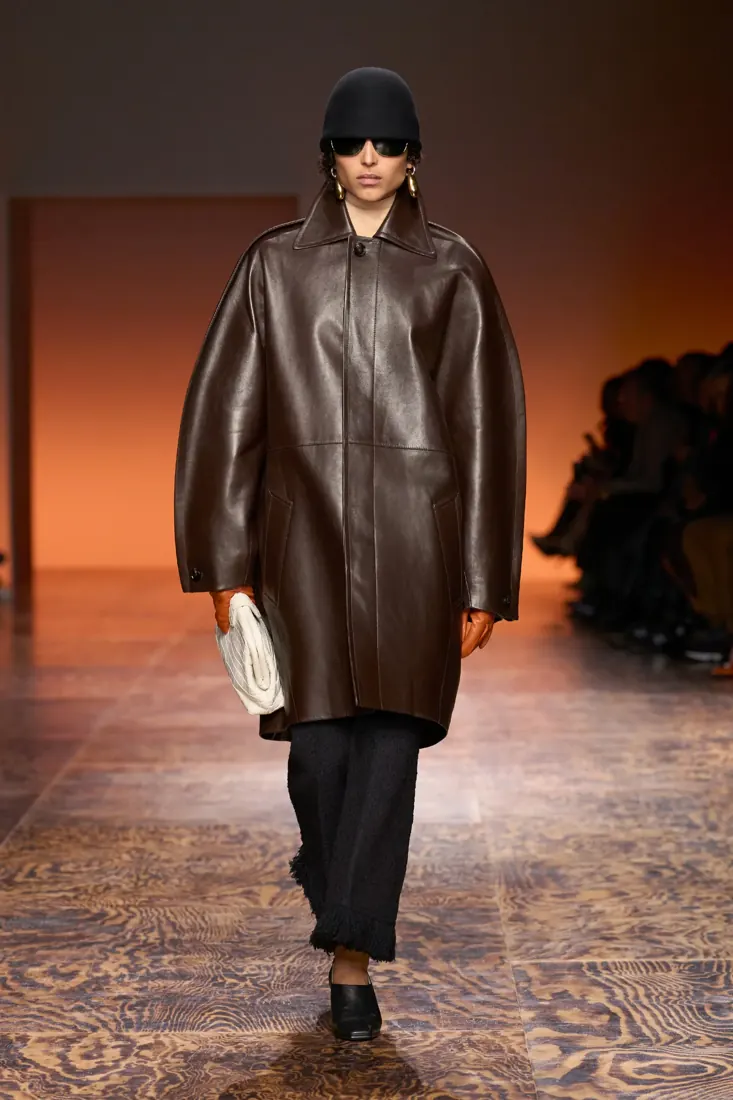
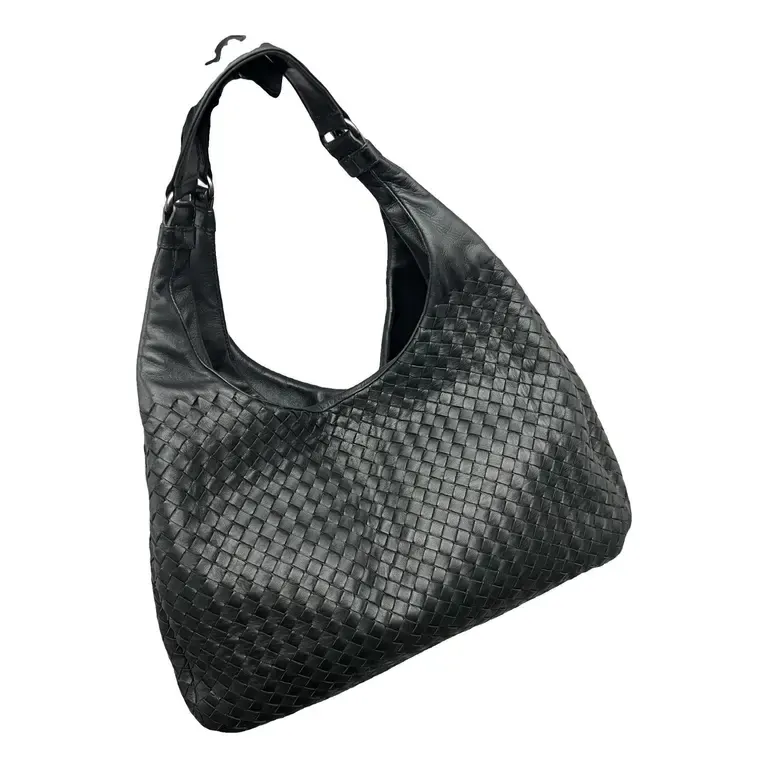
Maier's quiet seventeen-year tenure refocused Bottega on its intrecciato leather weave, the original signature. He designed the Cabat (2001) and the Veneta Hobo as we know them. The house was deliberately understated under him — no logo, no shouting. His departure in 2018 was the brand's reset.

Spring 2014 Ready To Wear runway look
31 looks
View runway →

Spring 2014 Ready To Wear

31 looks · Vogue Runway
Womenswear · 2018 — 2021

Daniel Lee

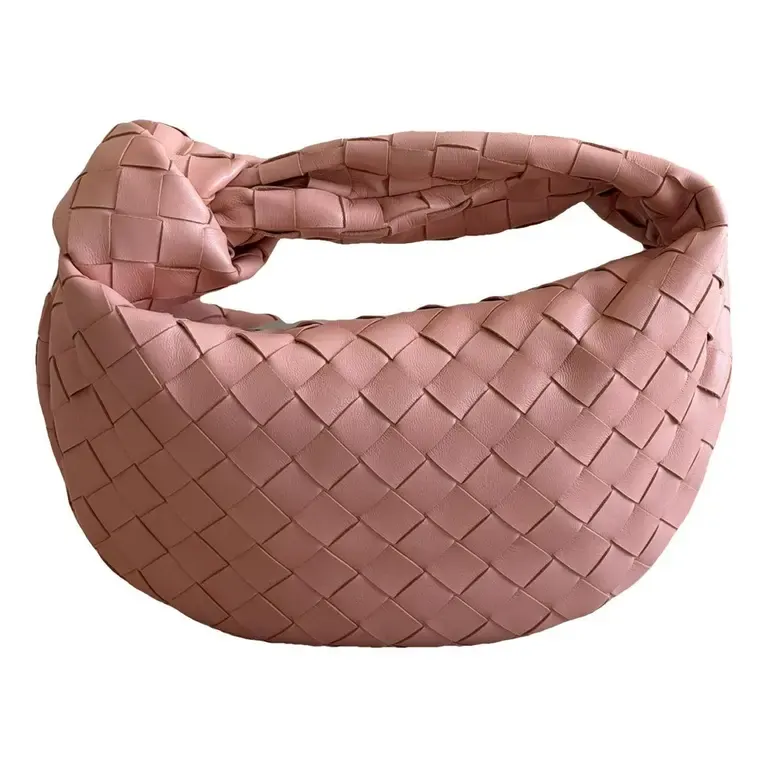
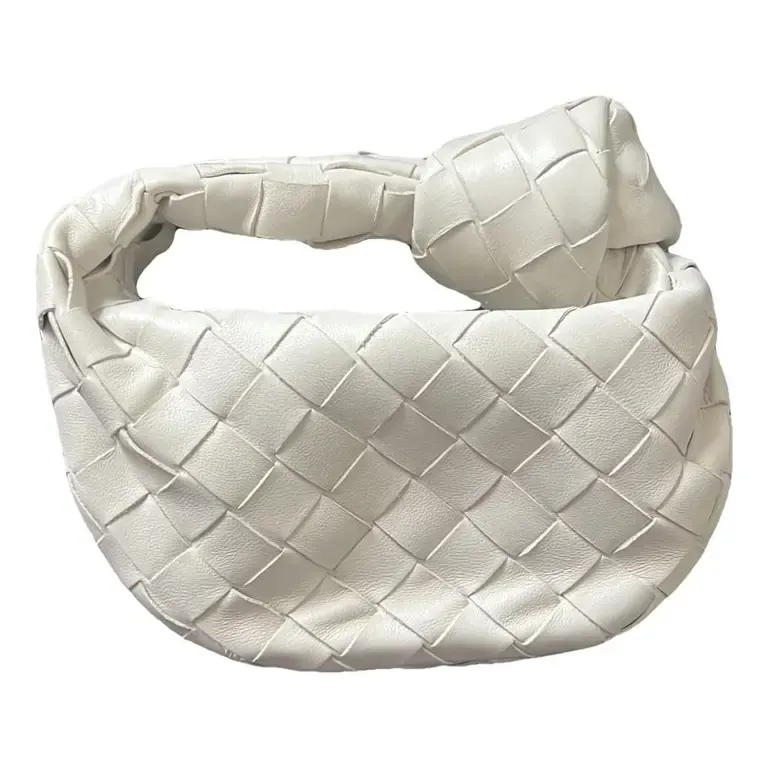
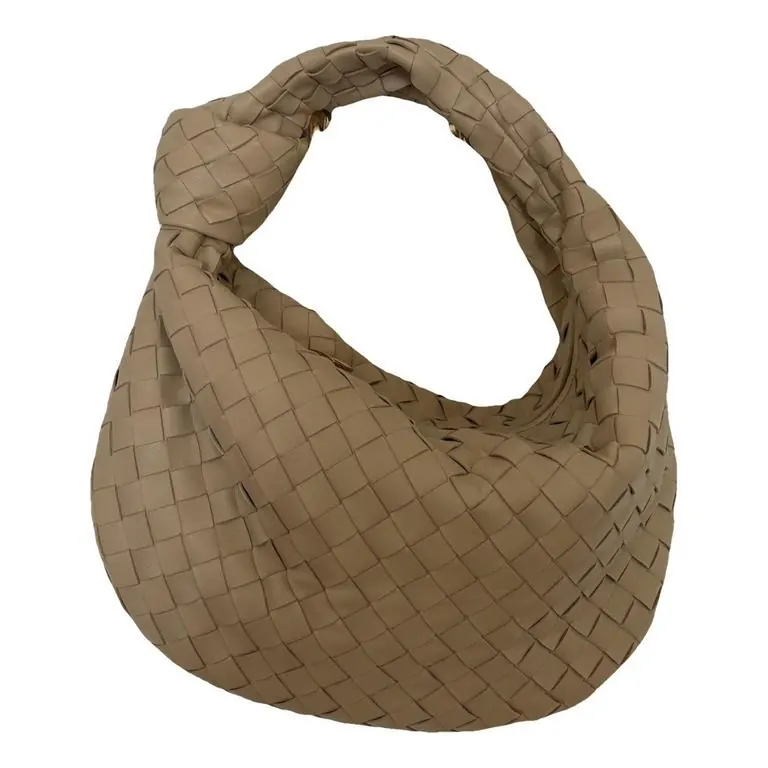
Lee, an unknown from Phoebe Philo's Celine, took over and created an instant cultural moment — the Cassette bag (2019), the Pouch (2019), the Jodie (2020), the Arco (2020). His Bottega was modern minimalism revived for a Gen-Z audience. He left abruptly in November 2021.

Spring 2019 Ready To Wear runway look
2 looks
View runway →

Spring 2019 Ready To Wear

2 looks · Vogue Runway
Fall 2020 Ready To Wear runway look
26 looks
View runway →

Fall 2020 Ready To Wear

26 looks · Vogue Runway
Spring 2021 Ready To Wear runway look
18 looks
View runway →

Spring 2021 Ready To Wear

18 looks · Vogue Runway
Womenswear · 2022 — 2024

Matthieu Blazy

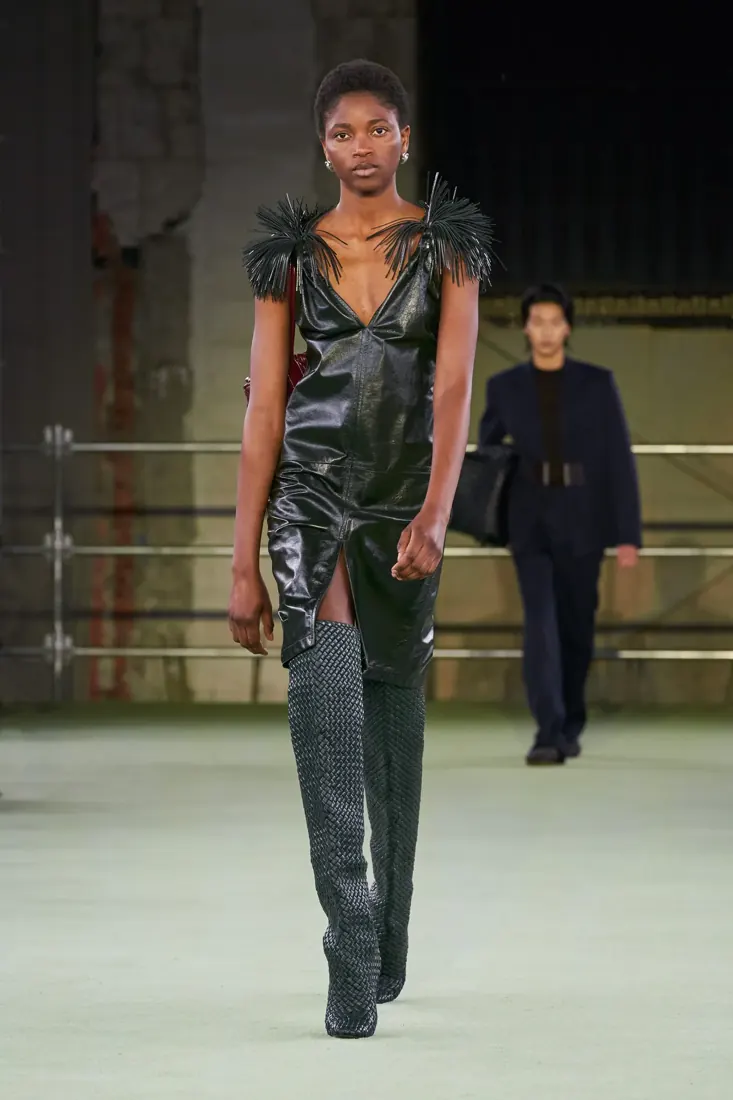
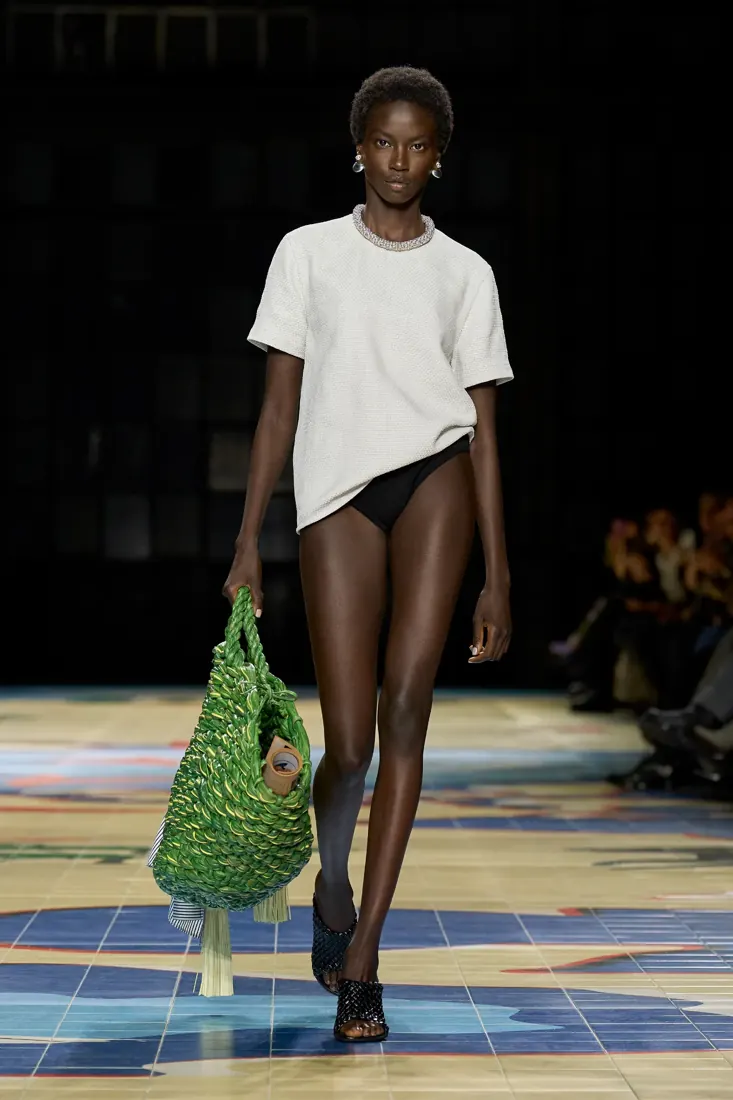
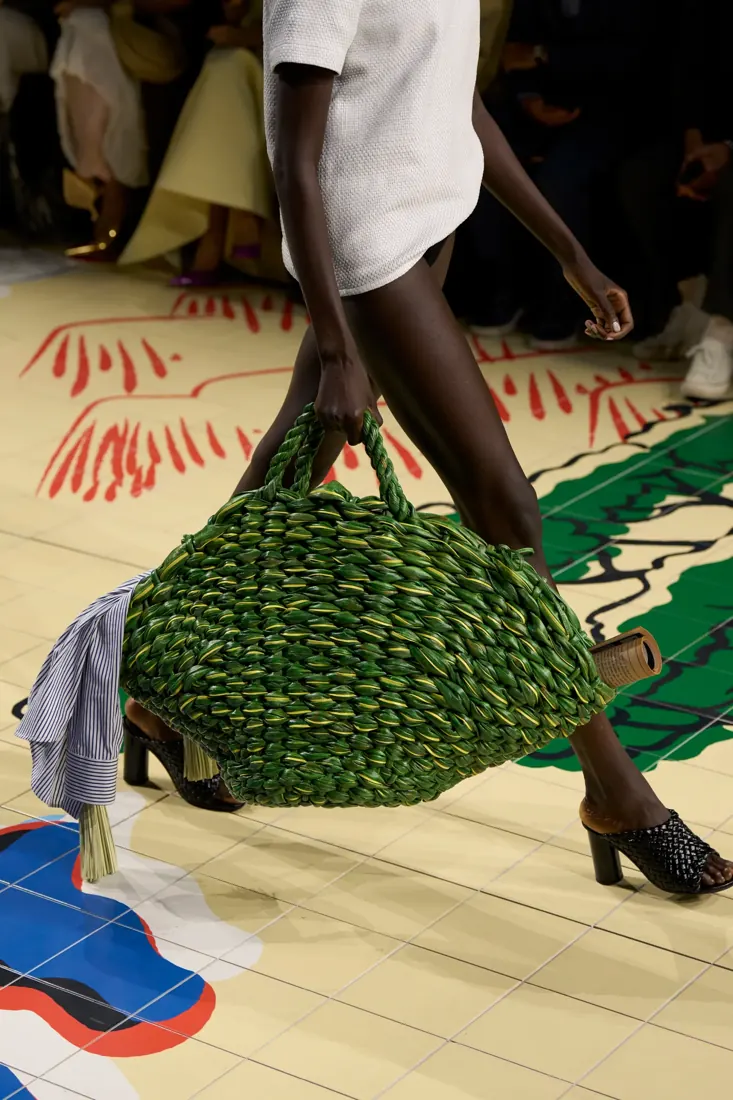
Blazy's debut Fall 2022 was a stunning technical exercise — what looked like white T-shirts and worn jeans were leather (with the texture handpainted on). The Andiamo bag (2023). He moved to Chanel as creative director in late 2024.

Fall 2022 Ready To Wear runway look
26 looks
View runway →

Fall 2022 Ready To Wear

26 looks · Vogue Runway
Spring 2024 Ready To Wear runway look
18 looks
View runway →

Spring 2024 Ready To Wear

18 looks · Vogue Runway
Fall 2024 Ready To Wear runway look
26 looks
View runway →

Fall 2024 Ready To Wear

26 looks · Vogue Runway
— Chapter Three —

The Bags

14 icons. Each one a scene; each scene a gallery.

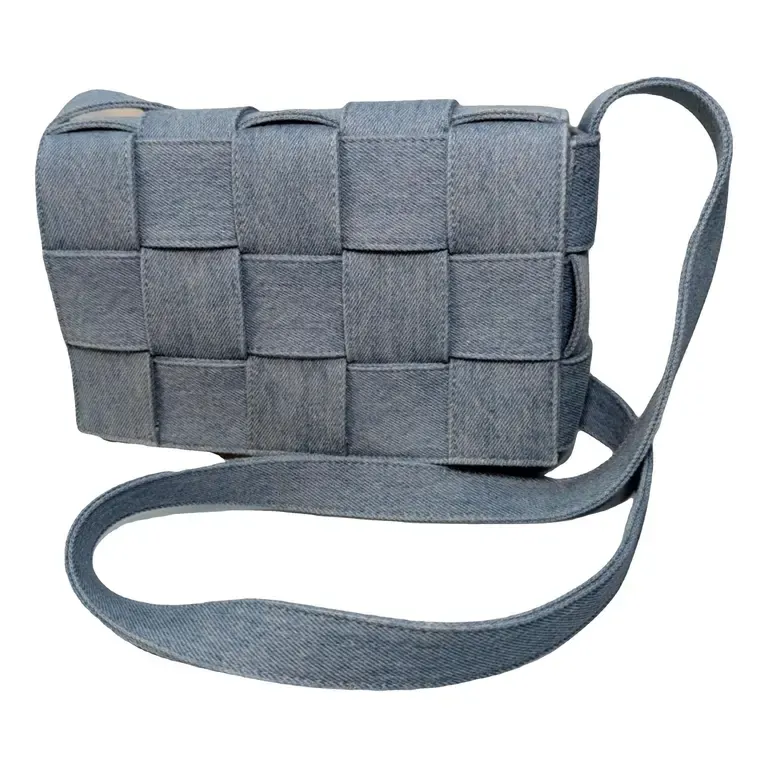
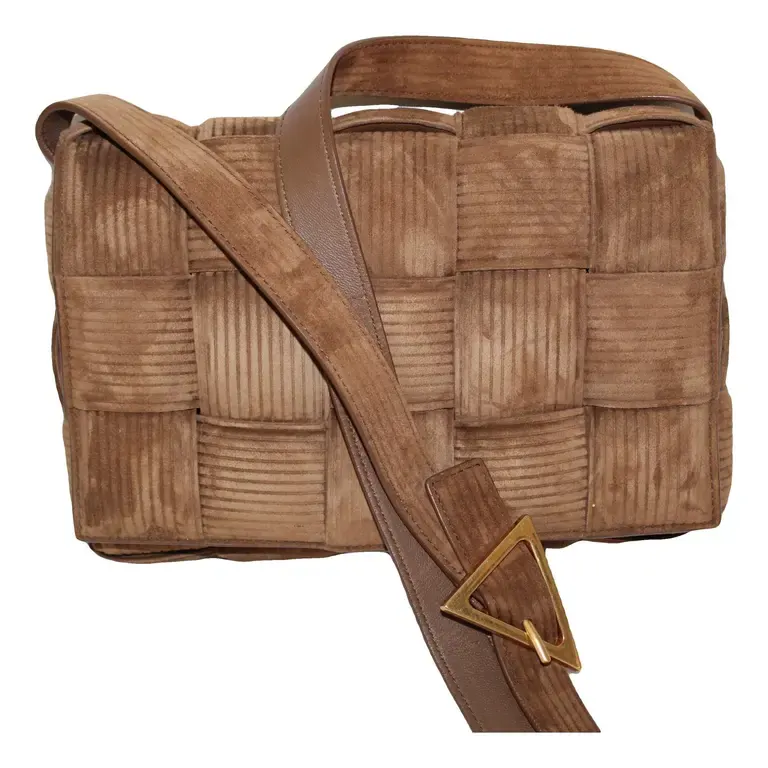
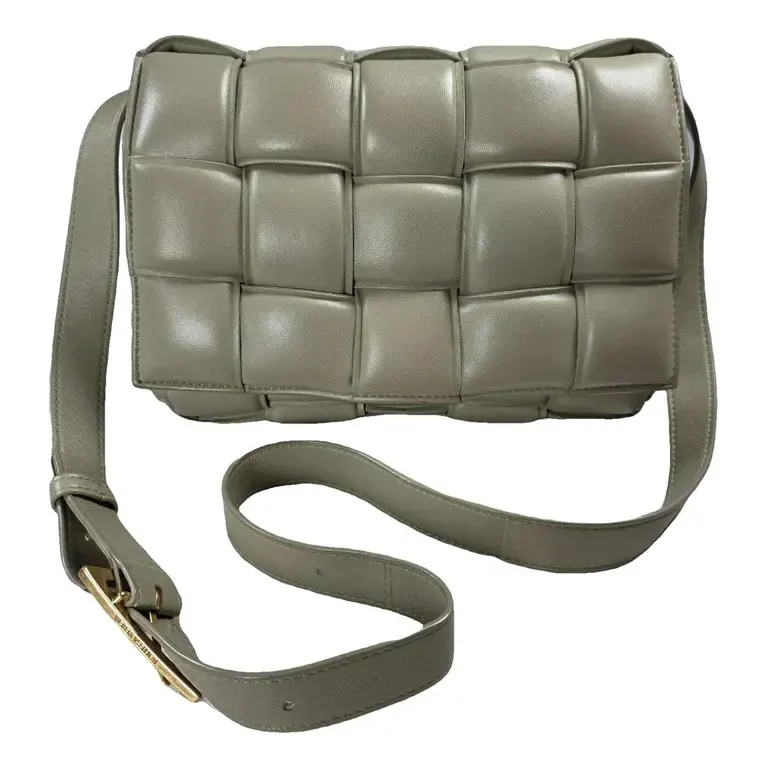
Cassette — Bottega Veneta
8 photos
View gallery →
Cassette alt view
Cassette alt view
Cassette alt view
Cassette alt view
No. 01

Cassette

2019 · Daniel Lee

Padded intrecciato shoulder; defining Lee-era bag.

Pouch — Bottega Veneta
8 photos
View gallery →
Pouch alt view
Pouch alt view
Pouch alt view
Pouch alt view
No. 02

Pouch

2019 · Daniel Lee

Soft oversized clutch.

Jodie — Bottega Veneta
3 photos
View gallery →
Jodie alt view
Jodie alt view
No. 03

Jodie

2020 (archive revival) · Daniel Lee

Knotted hobo.

Veneta Hobo — Bottega Veneta
6 photos
View gallery →
Veneta Hobo alt view
No. 04

Veneta Hobo

1990s · Tomas Maier era

The original intrecciato hobo.

Knot — Bottega Veneta
1 photo
View gallery →
No. 05

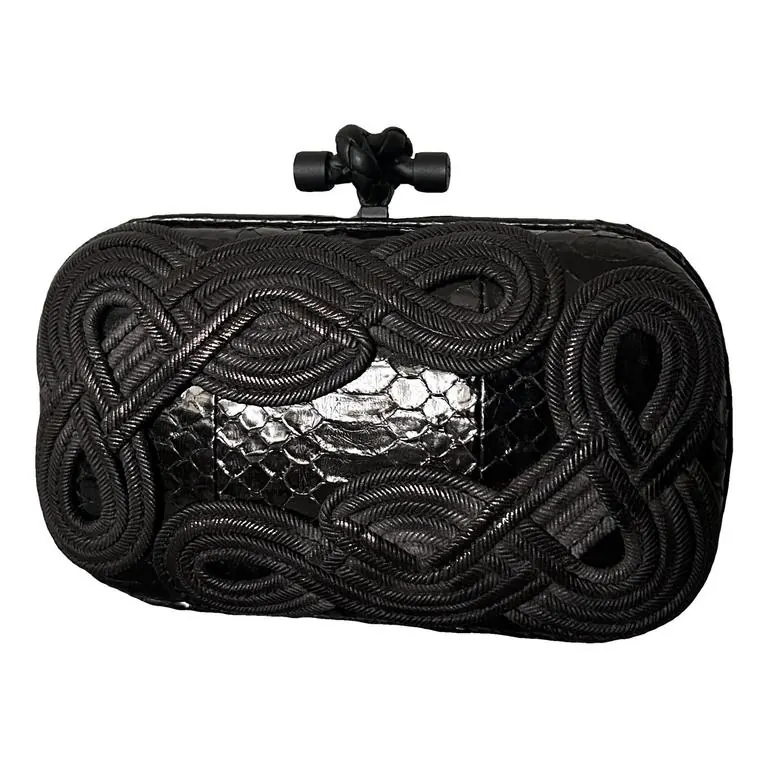
Knot

1980s · classic

Hard-shell minaudière clutch.

Cabat — Bottega Veneta
5 photos
View gallery →
Cabat alt view
Cabat alt view
Cabat alt view
Cabat alt view
No. 07

Cabat

2001 · Tomas Maier

Original signature intrecciato tote.

Andiamo — Bottega Veneta
3 photos
View gallery →
Andiamo alt view
Andiamo alt view
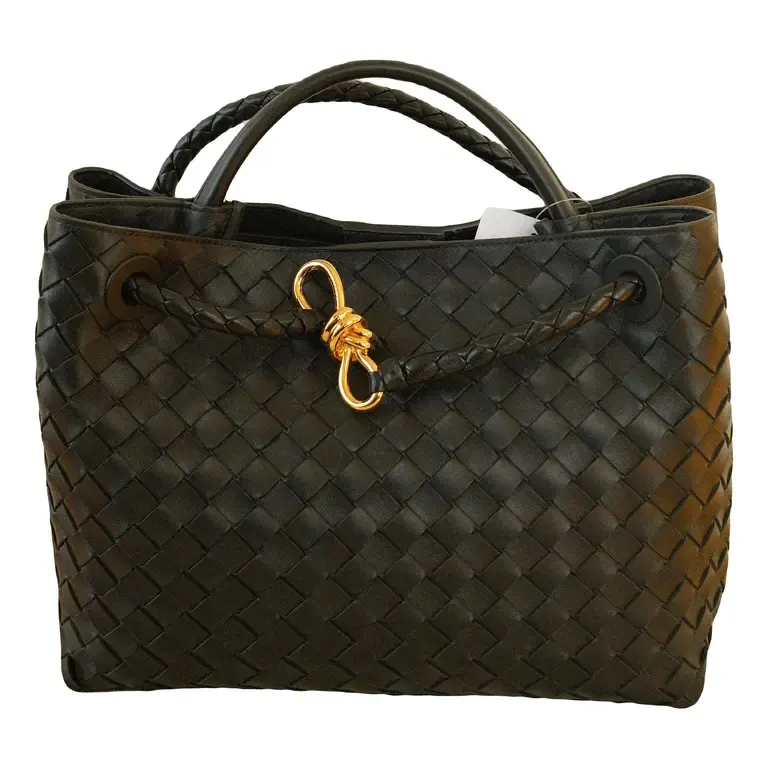
No. 08

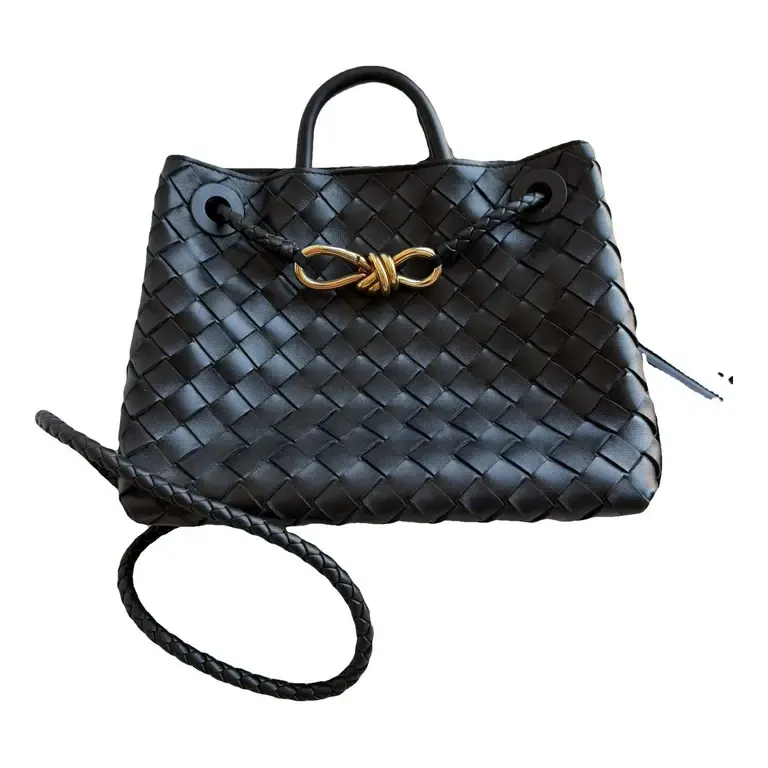
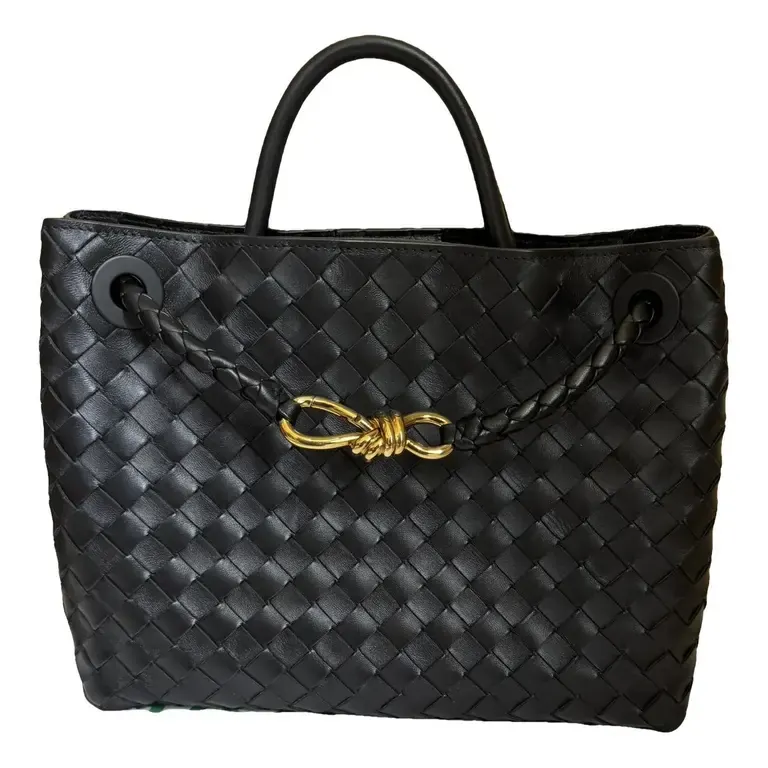
Andiamo

2023 · Matthieu Blazy

Top-handle with knot detail.

Sardine — Bottega Veneta
4 photos
View gallery →
Sardine alt view
Sardine alt view
Sardine alt view
No. 09

Sardine

2023 · Matthieu Blazy

Curved metal-handle clutch.

Hop — Bottega Veneta
3 photos
View gallery →
Hop alt view
Hop alt view
No. 10

Hop

2024 · Matthieu Blazy

Soft slouchy hobo.

Mount — Bottega Veneta
4 photos
View gallery →
Mount alt view
Mount alt view
Mount alt view
No. 11

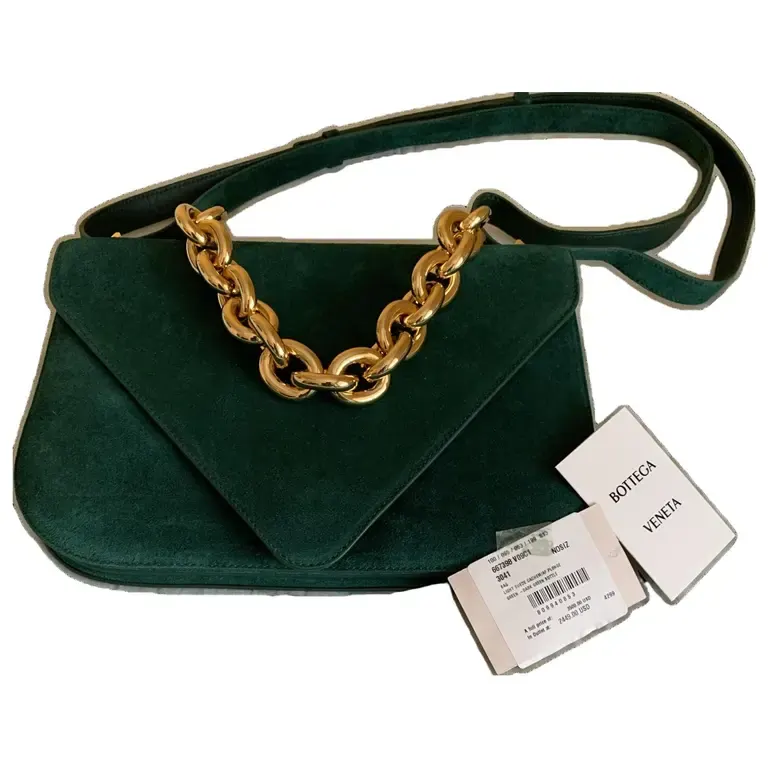
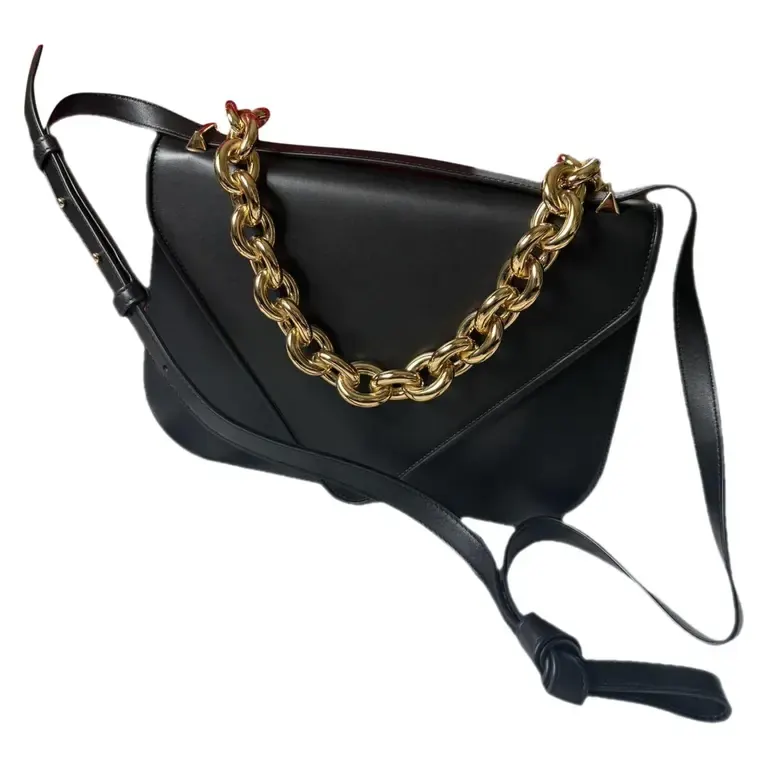
Mount

2023 · Matthieu Blazy

Envelope flap clutch.

BV Loop — Bottega Veneta
1 photo
View gallery →
No. 12

BV Loop

2021 · Daniel Lee

Crescent shoulder bag.

Point — Bottega Veneta
3 photos
View gallery →
Point alt view
Point alt view
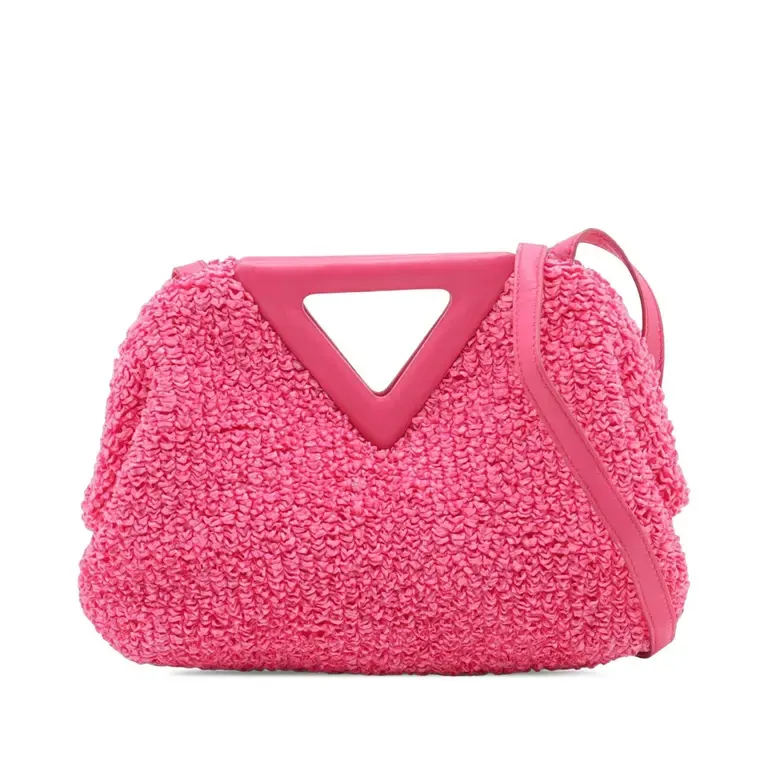
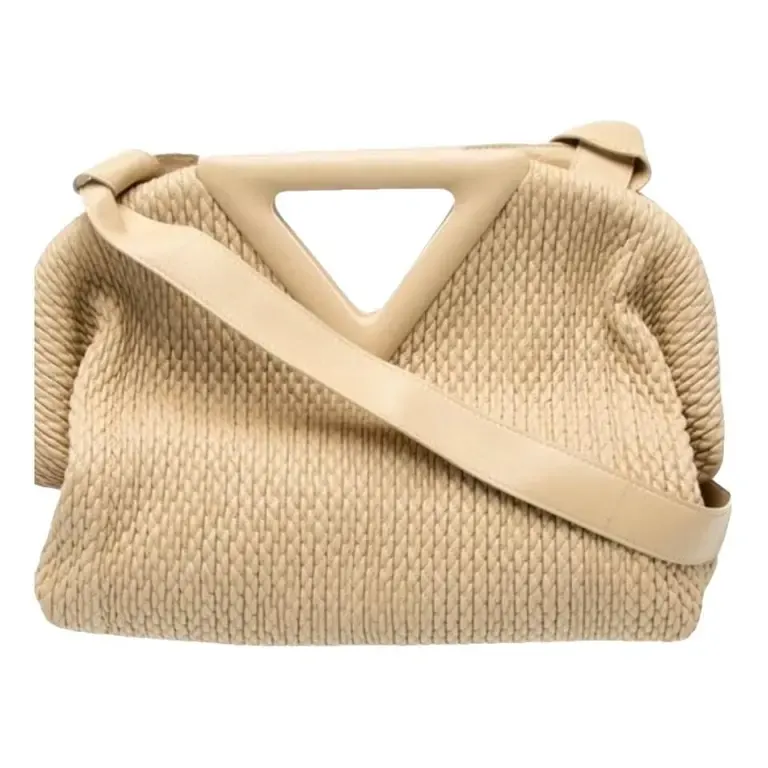
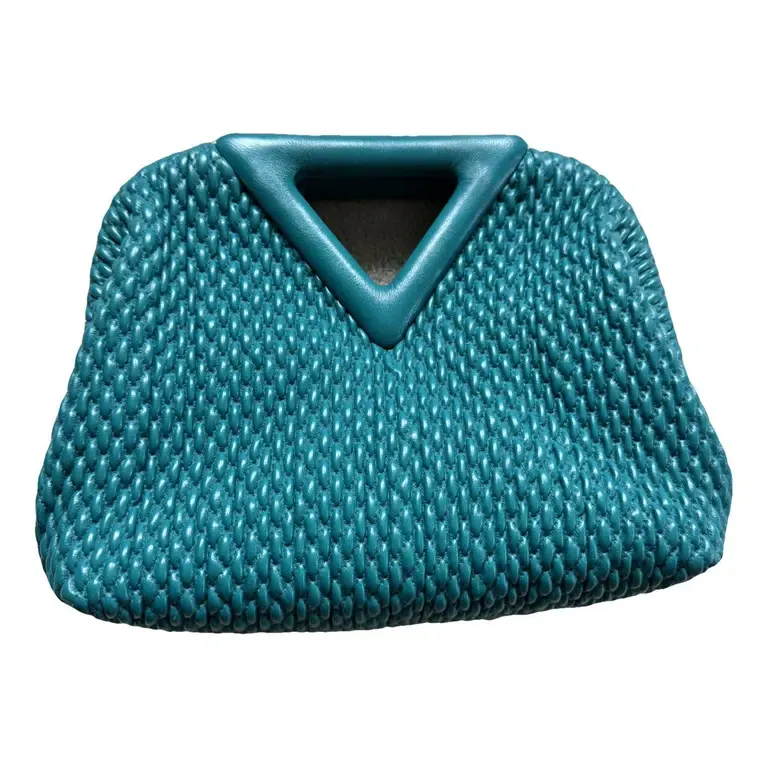
No. 13

Point

2022 · Matthieu Blazy

Top-handle structured.

Wallace — Bottega Veneta
2 photos
View gallery →
Wallace alt view
No. 14

Wallace

2022 · Matthieu Blazy

Crescent crossbody.

Padded Tech Cassette — Bottega Veneta
2 photos
View gallery →
Padded Tech Cassette alt view
No. 15

Padded Tech Cassette

2020 · Daniel Lee

Larger cross-body Cassette.

All Bags · Quick Index

14 at a glance.

Cassette
Cassette
2019
Pouch
Pouch
2019
Jodie
Jodie
2020 (archive revival)
Veneta Hobo
Veneta Hobo
1990s
Knot
Knot
1980s
Cabat
Cabat
2001
Andiamo
Andiamo
2023
Sardine
Sardine
2023
Hop
Hop
2024
Mount
Mount
2023
BV Loop
BV Loop
2021
Point
Point
2022
Wallace
Wallace
2022
Padded Tech Cassette
2020