1884
A Roman beginning
Bulgari’s first shop established a business that developed from silverwork into fine jewellery. Rome’s architecture and history became lasting sources of inspiration.
The House & Its Designers
Rome · 1884
A Roman jeweller’s eye for colour, translated into bags.
Sotirio Bulgari brought his Greek silversmithing background to Rome in 1884. The house’s jewellery traditions explain its accessories: saturated colour, polished hardware and the serpent as a recurring motif.
4 photographs · Reviewed August 2026
Explore the history ↓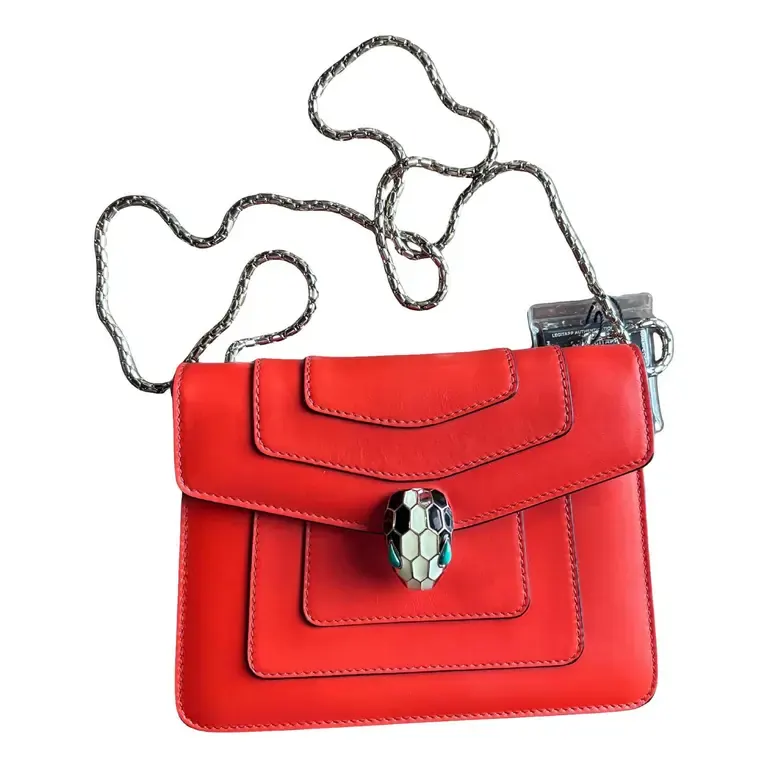
1884
Bulgari’s first shop established a business that developed from silverwork into fine jewellery. Rome’s architecture and history became lasting sources of inspiration.
1940s onward
Serpenti watches joined jewellery and watchmaking in a coiling form. The motif evolved across materials and techniques before becoming a recognisable feature of bags.
The leather goods
Serpenti bags make hardware the focal point. Their closures and chains draw on the house’s jewellery language, while structured leather gives those details a clear frame.
Selected creative chapters; dates distinguish appointments from runway debuts.
Founder
His silversmithing practice established the house’s foundations.
Jewellery and accessories
Bvlgari’s bags extend a collective tradition of colour, ornamental metalwork and the Serpenti motif.
A selection of the house’s designs. Resale photographs illustrate individual examples; size, finish and condition vary.
An enamelled snakehead clasp turns the house’s jewellery motif into handbag hardware.
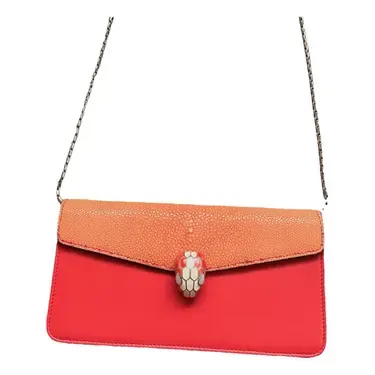
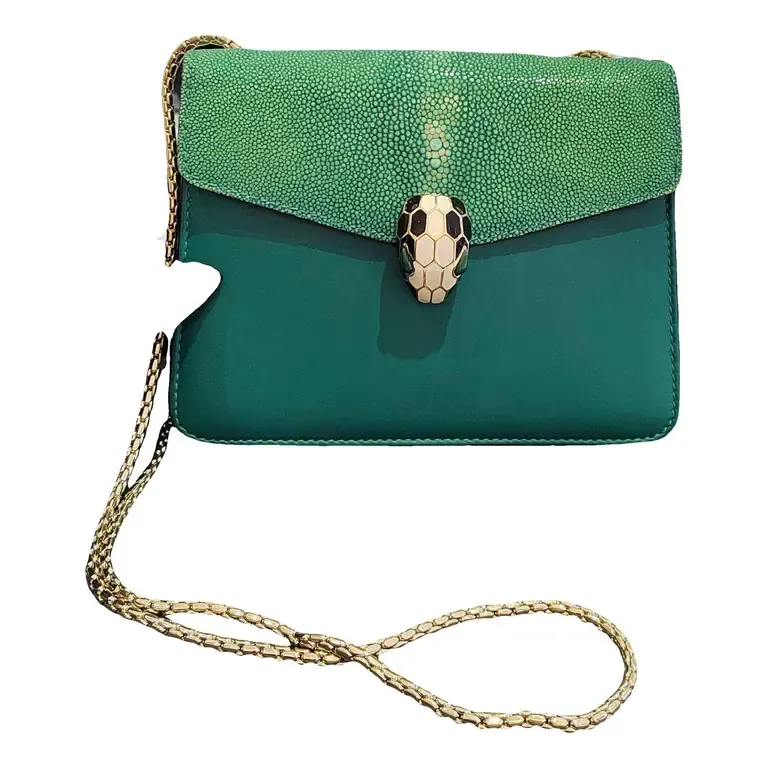
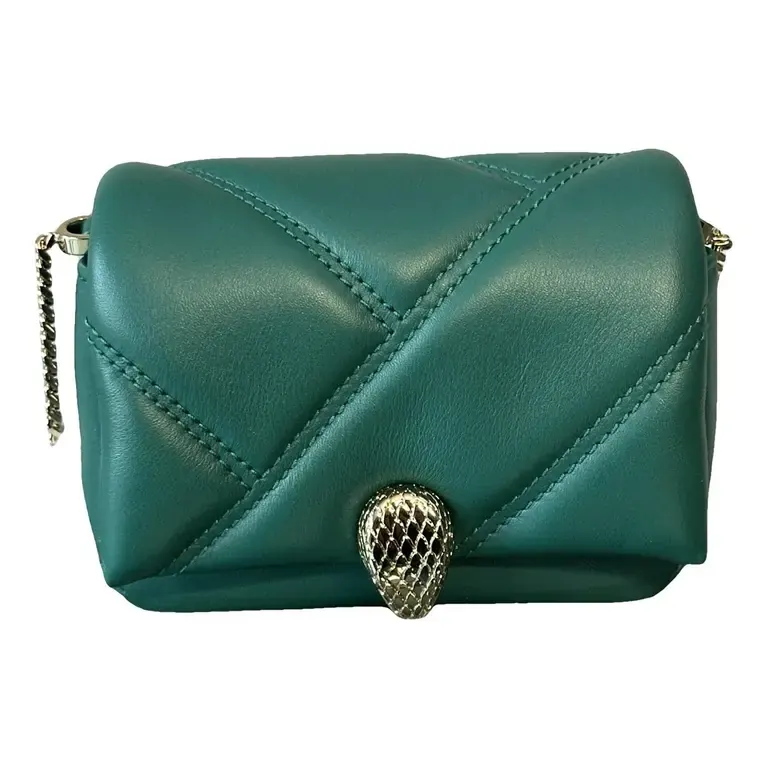
A padded leather interpretation of the Serpenti bag, retaining its snakehead clasp.