1910–1926
A new kind of wardrobe
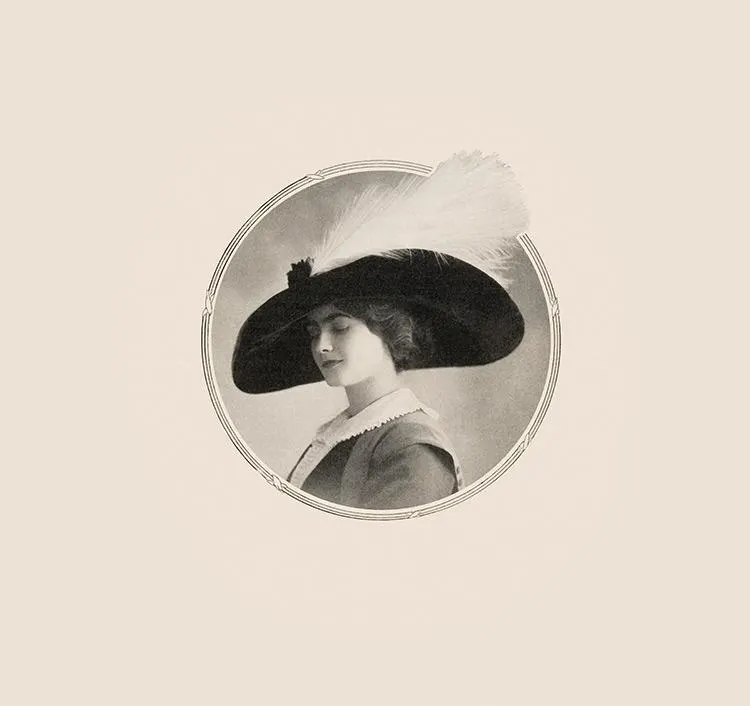
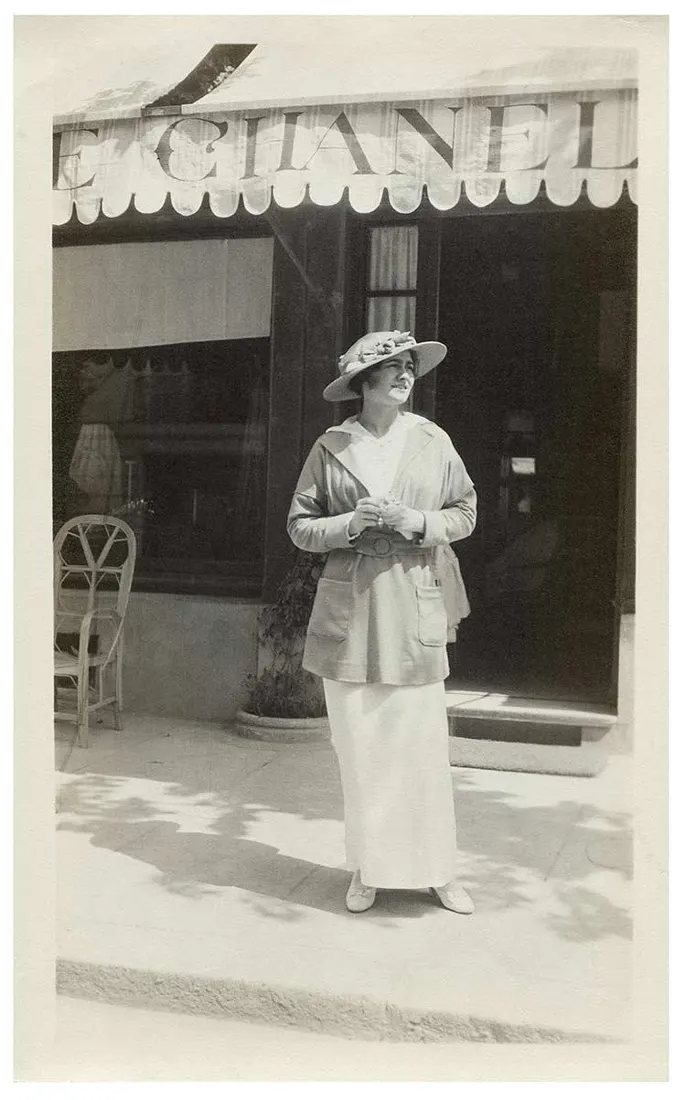
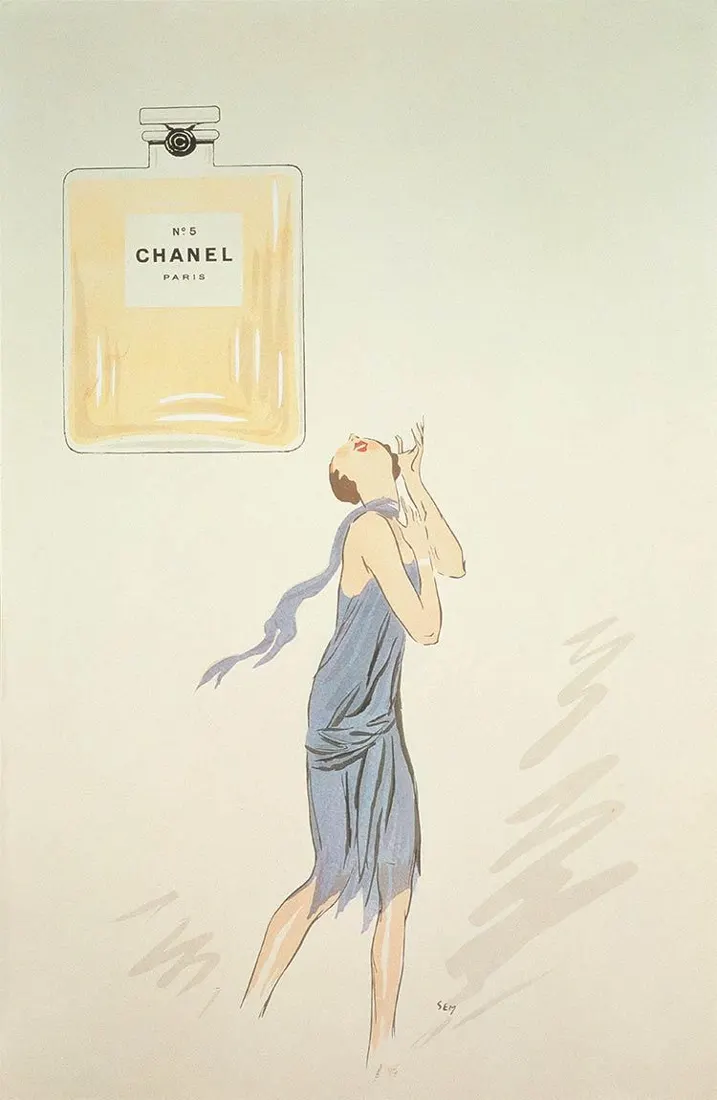
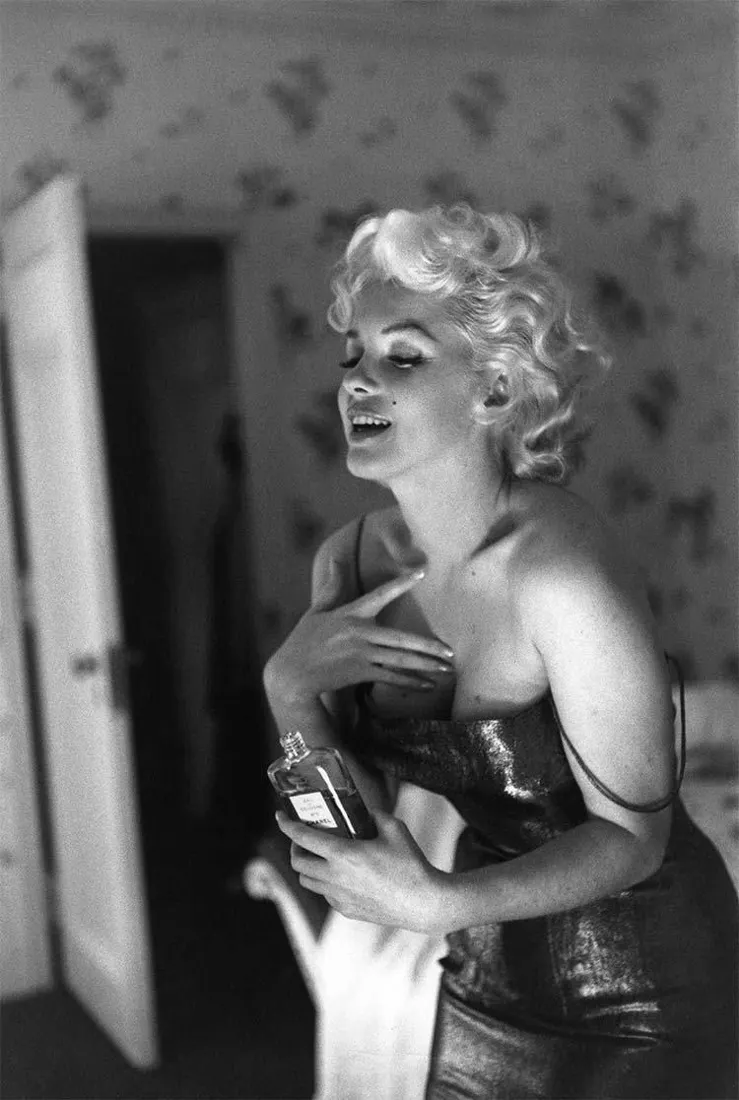
Chanel’s millinery business expanded into clothing. Jersey separates, Chanel N°5 in 1921 and the little black dress helped establish an identity beyond couture alone.
The House & Its Designers
Paris · 1910
Jersey, tweed and a shoulder bag that made movement easier.
Gabrielle Chanel made ease a defining idea of modern dress. The house’s enduring vocabulary—jersey, tweed, costume jewellery and quilted bags—grew from that approach, then changed in the hands of later designers.
7 photographs · Reviewed August 2026
Explore the history ↓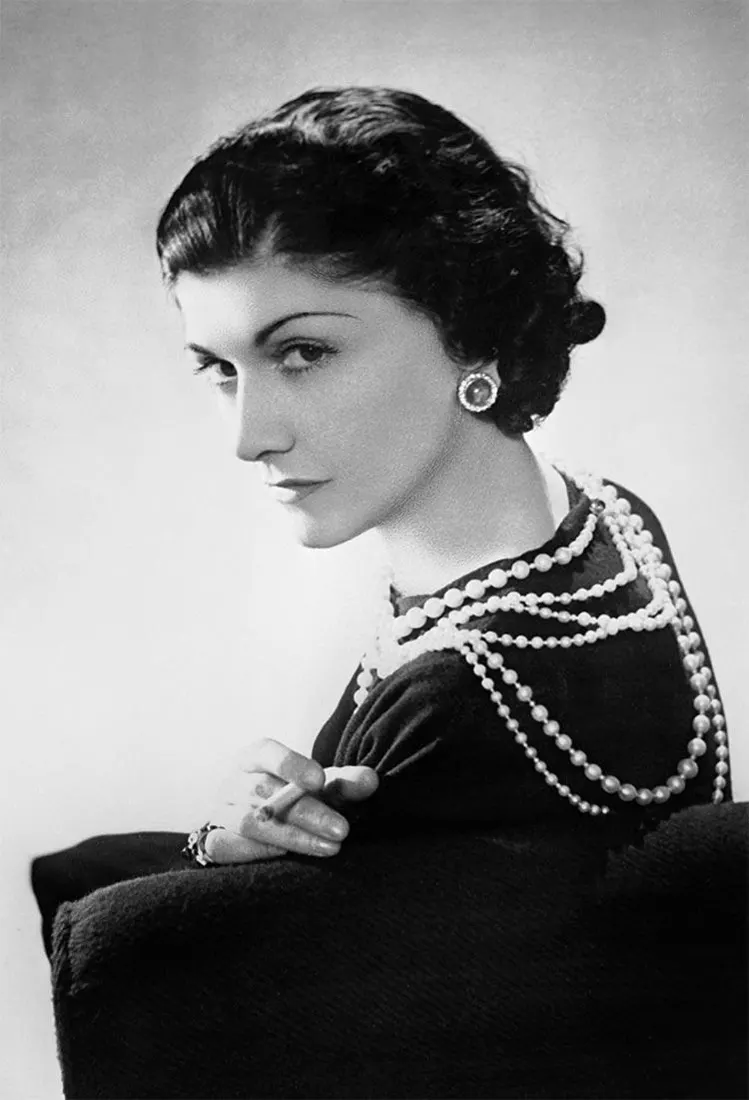
1910–1926
Chanel’s millinery business expanded into clothing. Jersey separates, Chanel N°5 in 1921 and the little black dress helped establish an identity beyond couture alone.
1939–1954
Chanel closed her couture business in 1939 and returned in 1954. Her wartime associations and activities remain an important, contested part of her biography; the design history does not erase them.
1955
The quilted shoulder bag launched in February 1955. Its chain strap offered an alternative to carrying a handbag in the hand, joining practicality to a recognisable surface and closure.
1983–2019
Karl Lagerfeld treated the archive as material for reinvention. Tweed, chains, quilting and the double C became the basis for both runway spectacle and widely recognised accessories.
2019–2025
Virginie Viard led the collections after Lagerfeld’s death and departed in 2024. Matthieu Blazy’s first Chanel show followed in October 2025.
People, places and objects, with source credits.
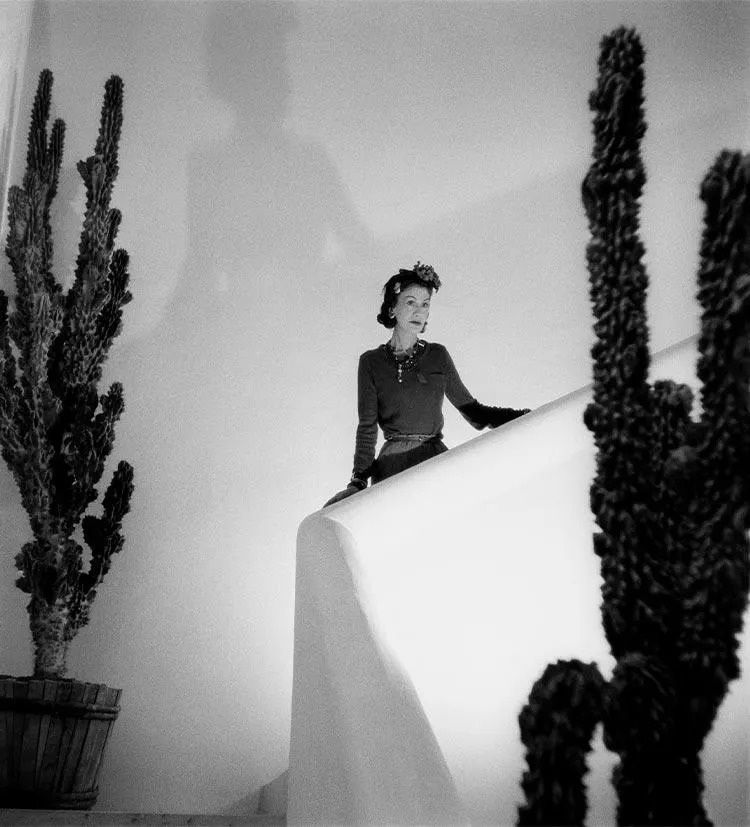
Selected creative chapters; dates distinguish appointments from runway debuts.
Founder · died 1971
Established the clothes and accessories that became the house’s central references.
1983–2019
Reinterpreted those references across couture, ready-to-wear and accessories.
2019–2024
Continued the house’s wardrobe after decades working alongside Lagerfeld.
Debut 2025
Brought his interest in material transformation and craft to Chanel.
A selection of the house’s designs. Resale photographs illustrate individual examples; size, finish and condition vary.