1941
A workshop of six artisans
The business began with small leather goods. Lillian and Miles Cahn later helped shape its development into a handbag house; they were not the original 1941 founders.
The House & Its Designers
New York · 1941
American leather goods built around everyday use.
Coach began as a small Manhattan leather workshop. Its strongest designs combine useful construction with tactile leather: turnlocks, generous openings and straps that work with a moving wearer.
11 photographs · Reviewed August 2026
Explore the history ↓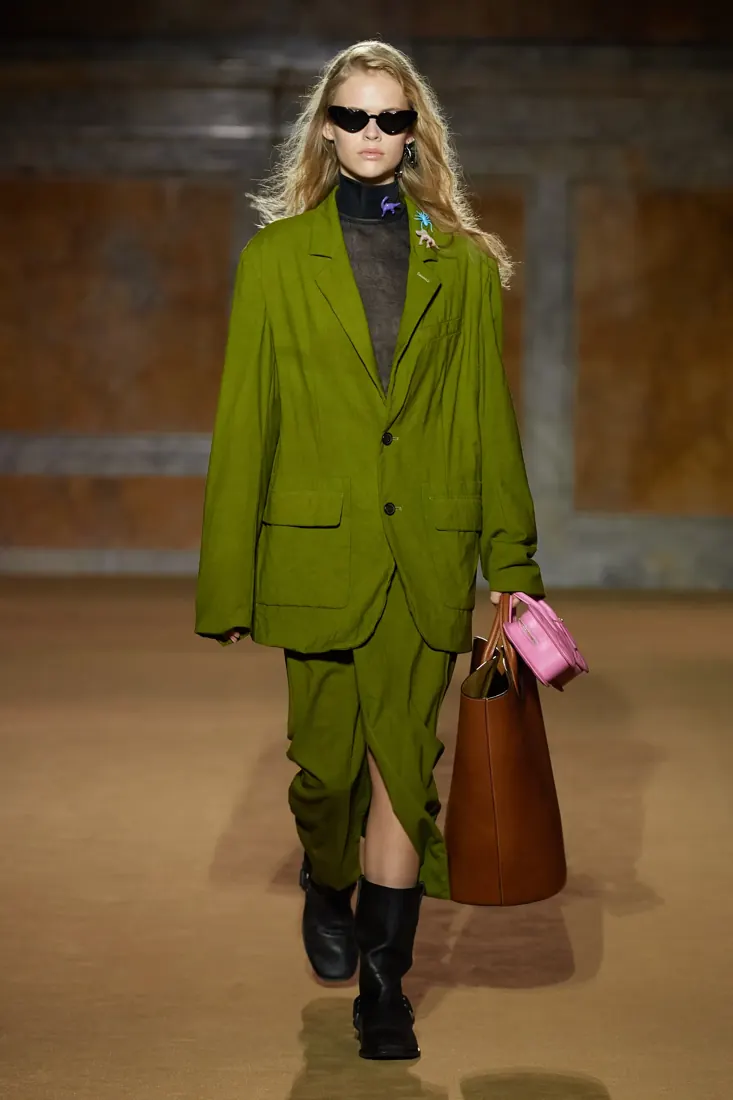
1941
The business began with small leather goods. Lillian and Miles Cahn later helped shape its development into a handbag house; they were not the original 1941 founders.
1962–1974
Cashin brought a sportswear designer’s understanding of movement and utility. Her bags helped establish the brass turnlock and a relaxed approach to carrying.
1990s–2010s
Reed Krakoff expanded Coach’s fashion profile. Stuart Vevers, appointed in 2013, subsequently connected its leather heritage to a broader American wardrobe.
The bags
The Rogue and Tabby show two sides of that approach: considered construction and a willingness to revisit familiar forms in new sizes, colours and textures.
Selected creative chapters; dates distinguish appointments from runway debuts.
1962–1974
Made practical hardware and ease of use central to Coach’s bags.
1996–2013
Expanded the house’s design language and accessories business.
Appointed 2013
Connects the archive to American cultural references and contemporary wardrobes.
Selected looks and details, matched to the house and season.
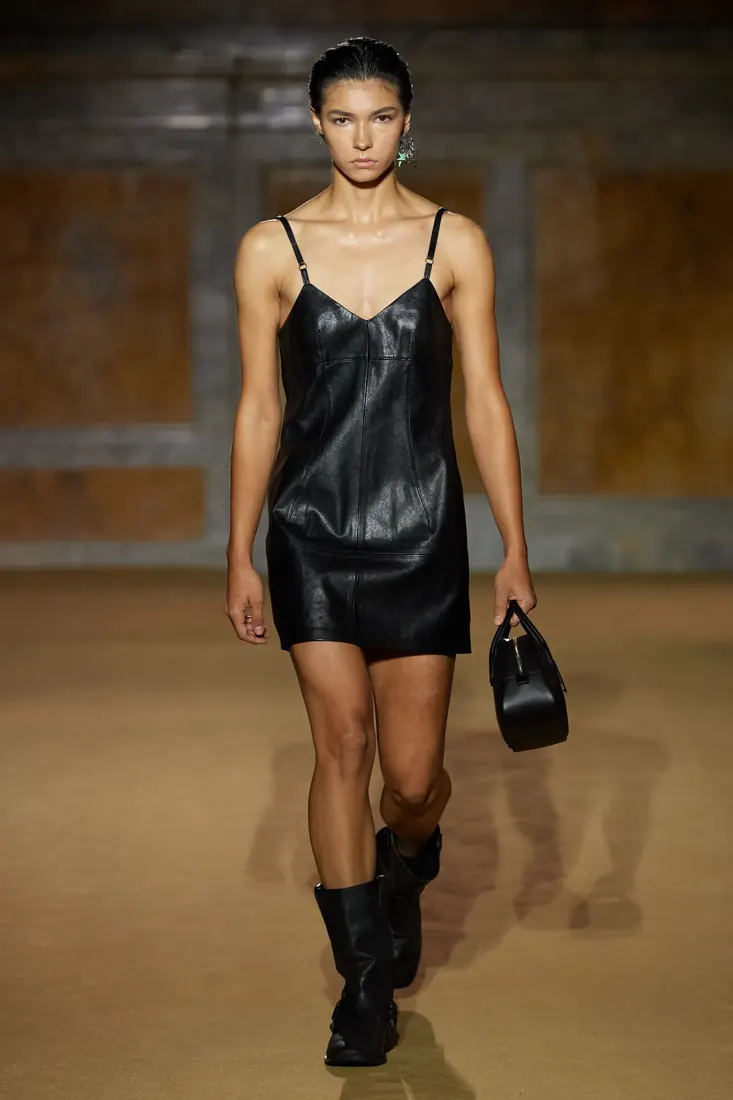
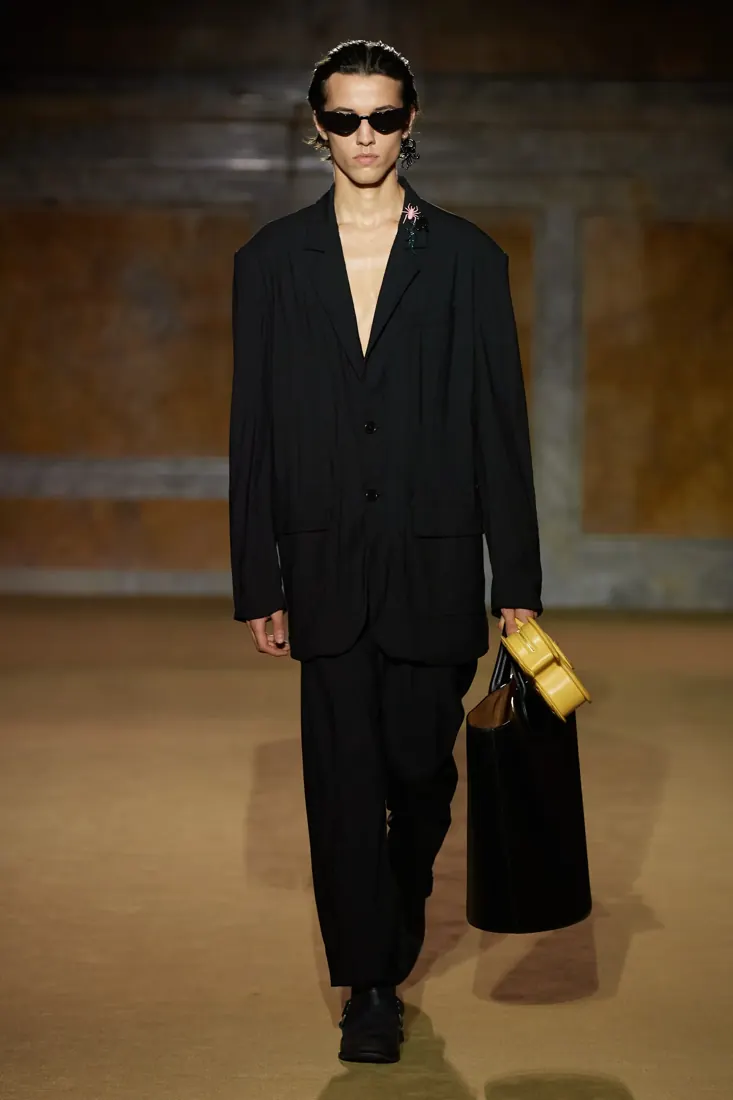
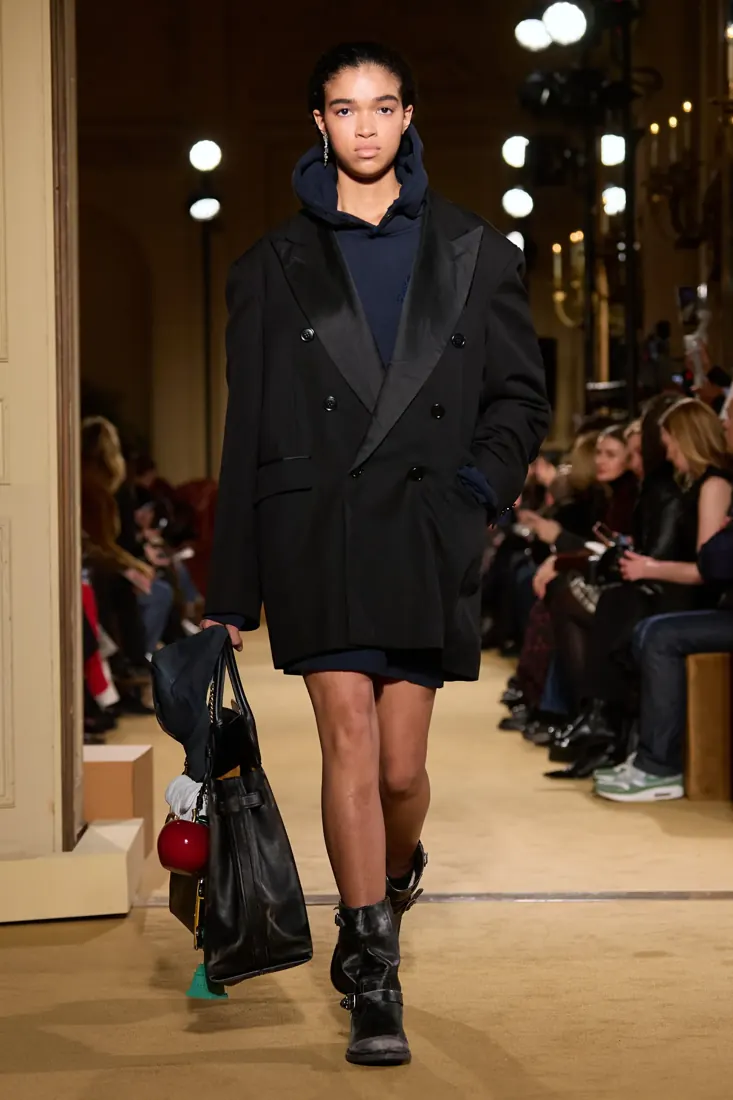
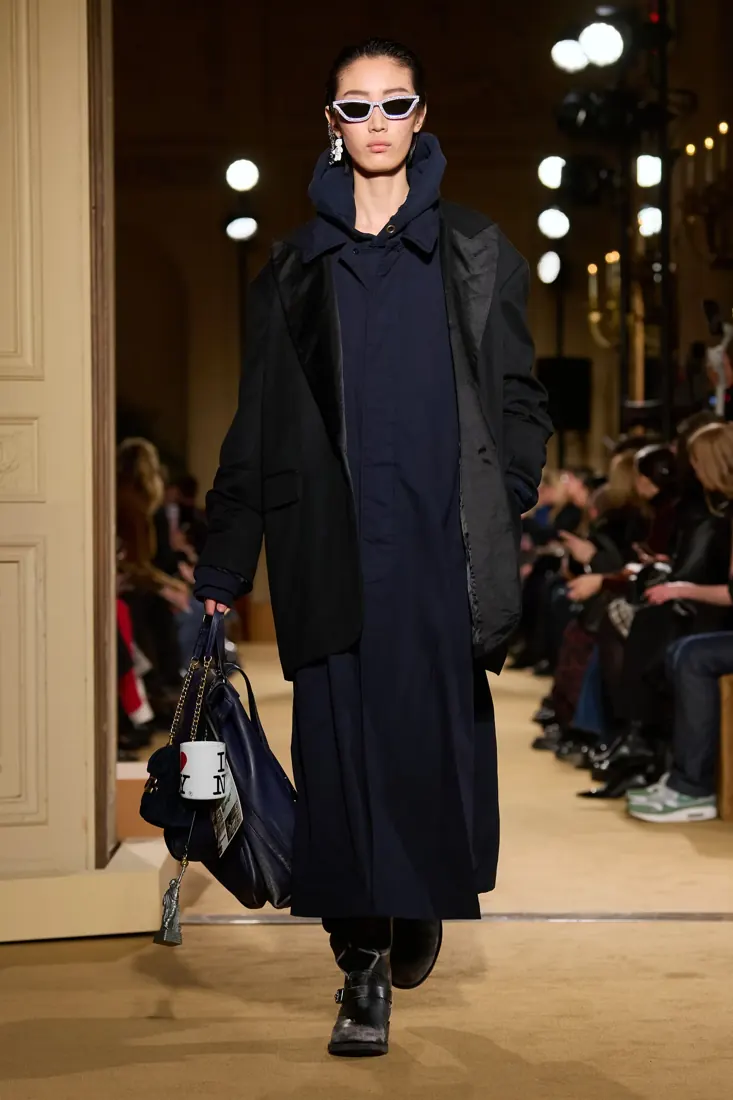
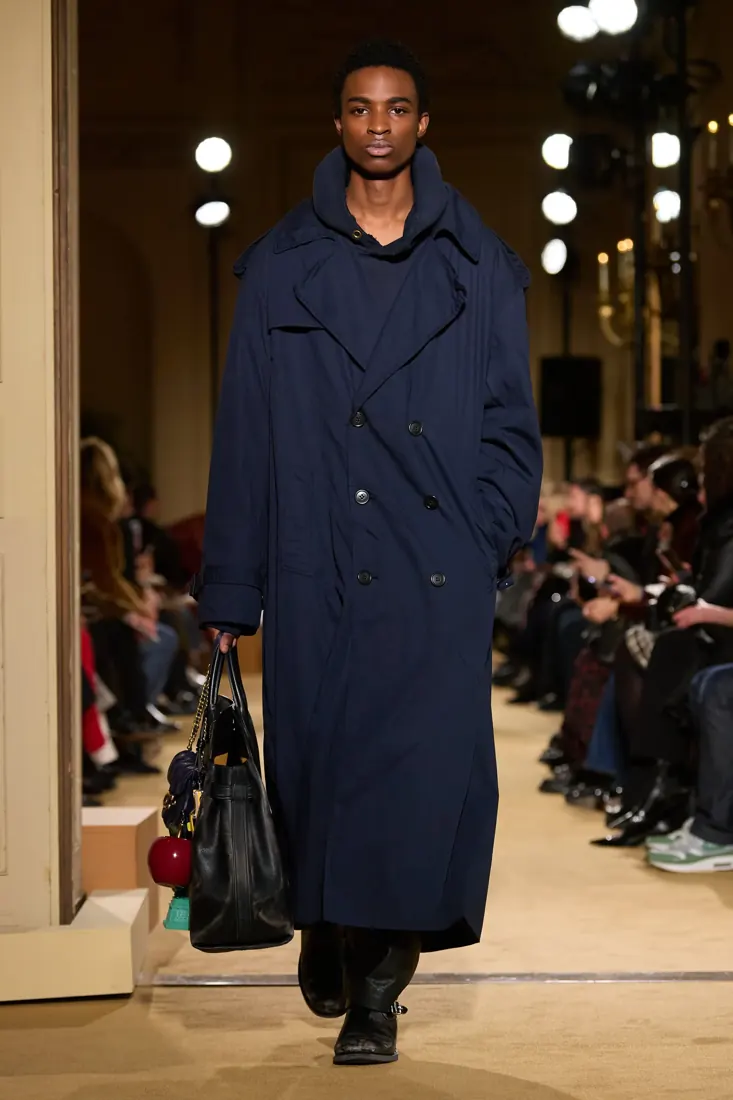
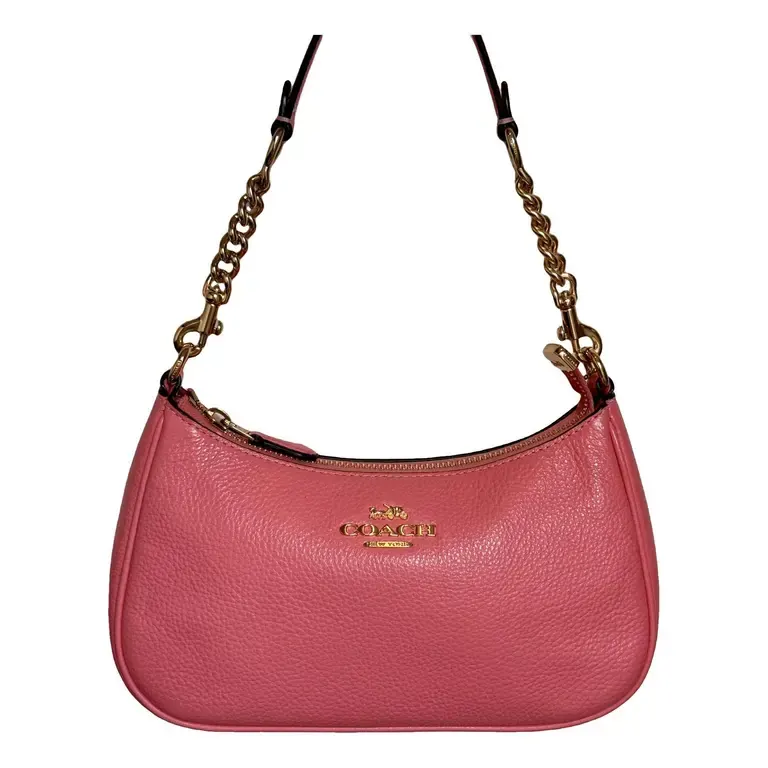
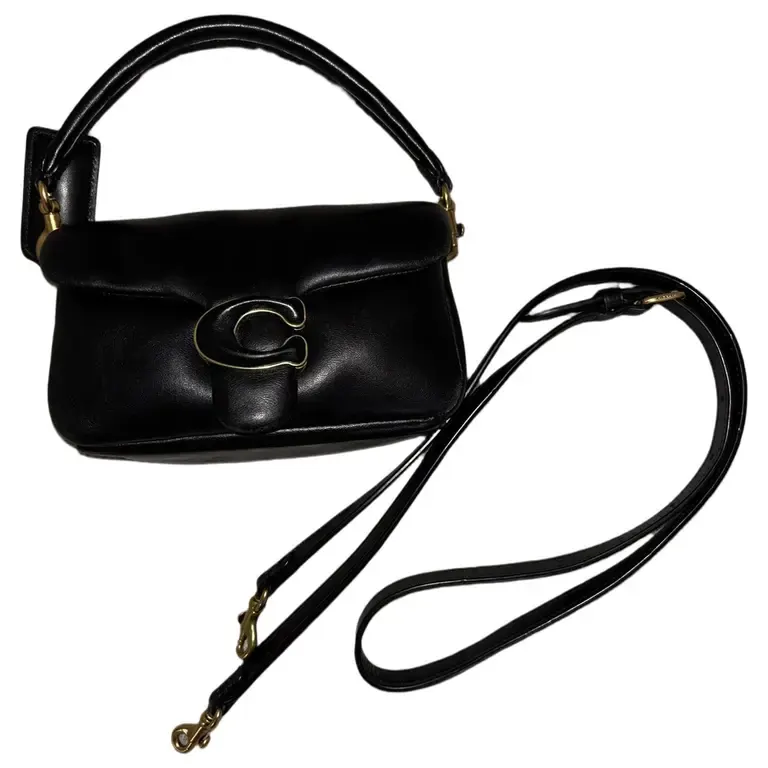
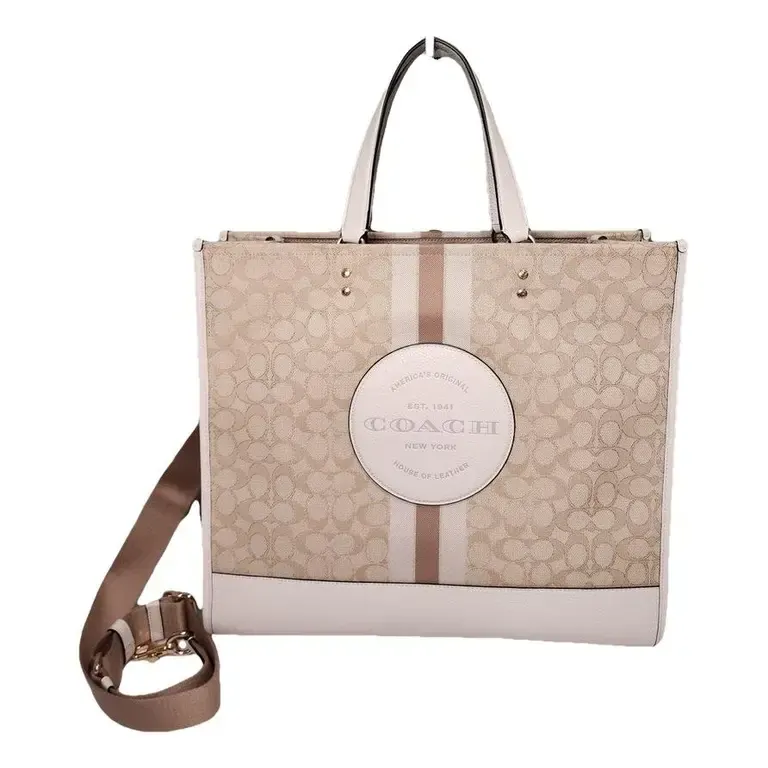
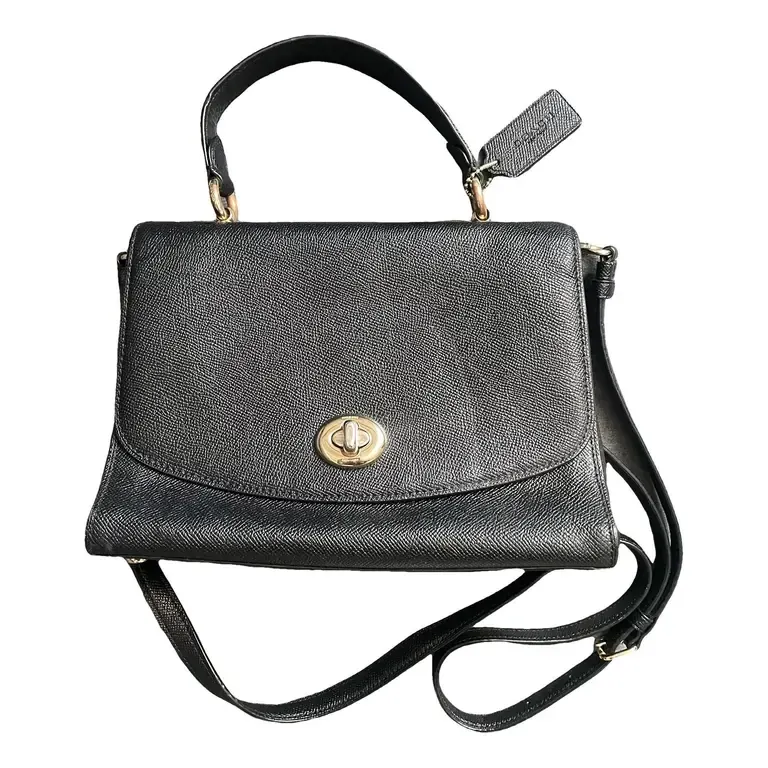
A selection of the house’s designs. Resale photographs illustrate individual examples; size, finish and condition vary.
An archival-inspired flap bag with a prominent C closure.
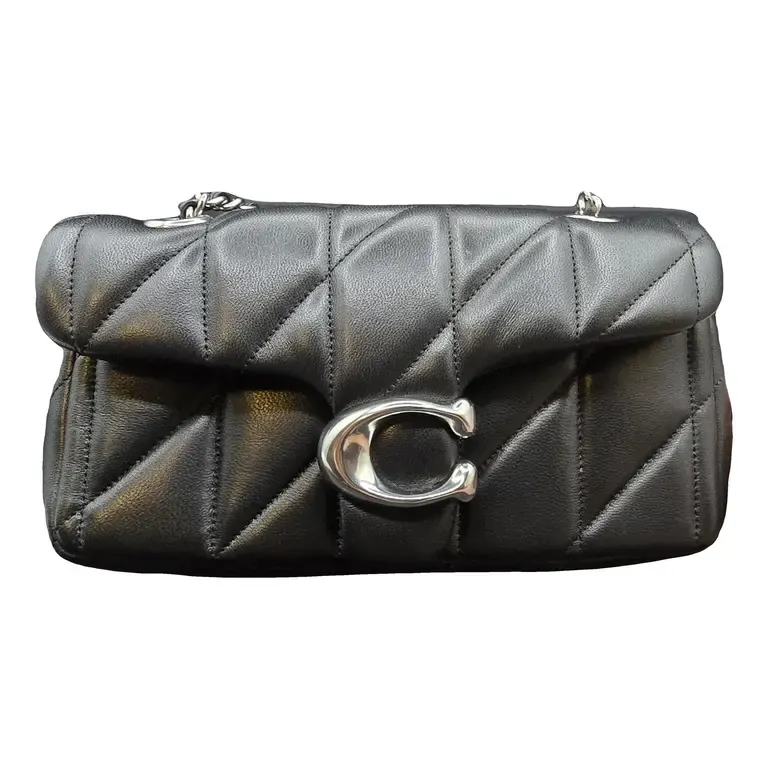
Padded leather gives the Tabby a rounded, cushioned profile.
A practical tote family offered in leather, canvas and signature fabrics.
A structured flap crossbody with a turn-lock closure.
A compact zip-top shoulder bag with an archival feel.