1920s
Hollywood and Florence
Ferragamo made shoes for film stars in California before returning to Italy in 1927. In Florence, he brought together local craftsmanship and the production experience he had gained in America.
The House & Its Designers
Florence · 1927
A shoemaker’s ingenuity, carried into a complete wardrobe.
Salvatore Ferragamo studied how shoes fit and how materials behave. That combination of practical inquiry and decorative imagination became the foundation of the Florence house’s wider collections.
8 photographs · Reviewed August 2026
Explore the history ↓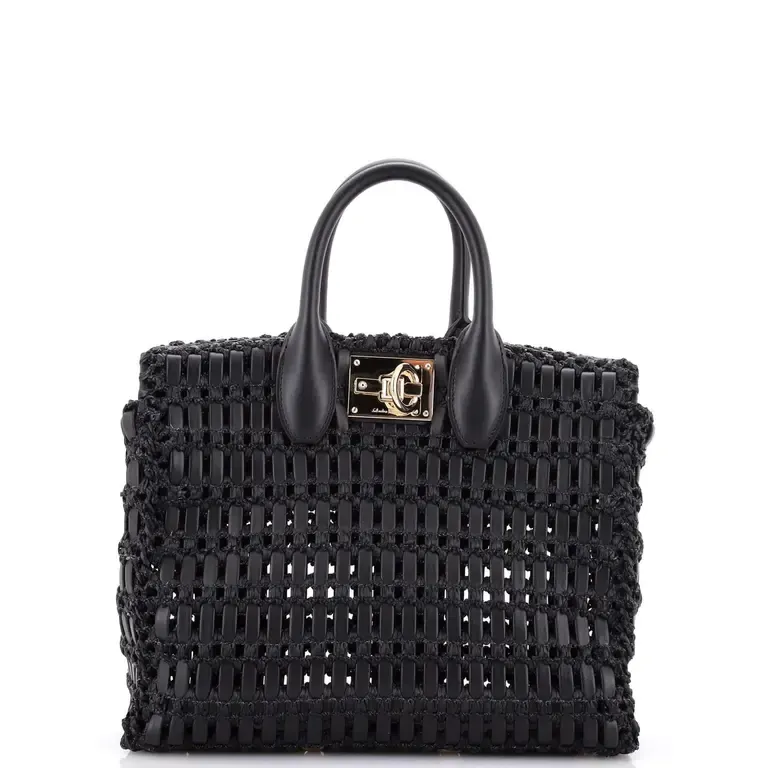
1920s
Ferragamo made shoes for film stars in California before returning to Italy in 1927. In Florence, he brought together local craftsmanship and the production experience he had gained in America.
1960 onward
After Salvatore’s death, Wanda Ferragamo led the business with their children. The company expanded beyond footwear into clothing and accessories.
The bags
The Gancini motif connects many leather-goods designs. Structured shapes and carefully finished hardware reflect the house’s roots in making objects that must function as well as look elegant.
2022
Davis brought a new interpretation of the archive, drawing particular attention to colour, proportion and the house’s Hollywood connections.
Selected creative chapters; dates distinguish appointments from runway debuts.
Founder · died 1960
Combined anatomical knowledge with an inventive approach to footwear.
Business leadership from 1960
Guided the family’s expansion into a complete fashion house.
Appointed 2022
Revisits the archive through a precise, contemporary wardrobe.
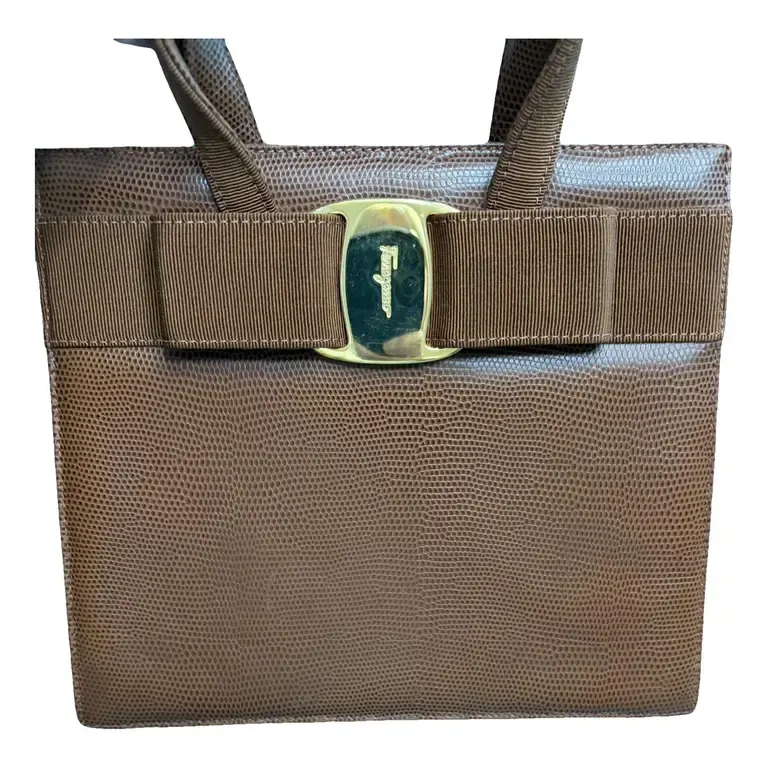
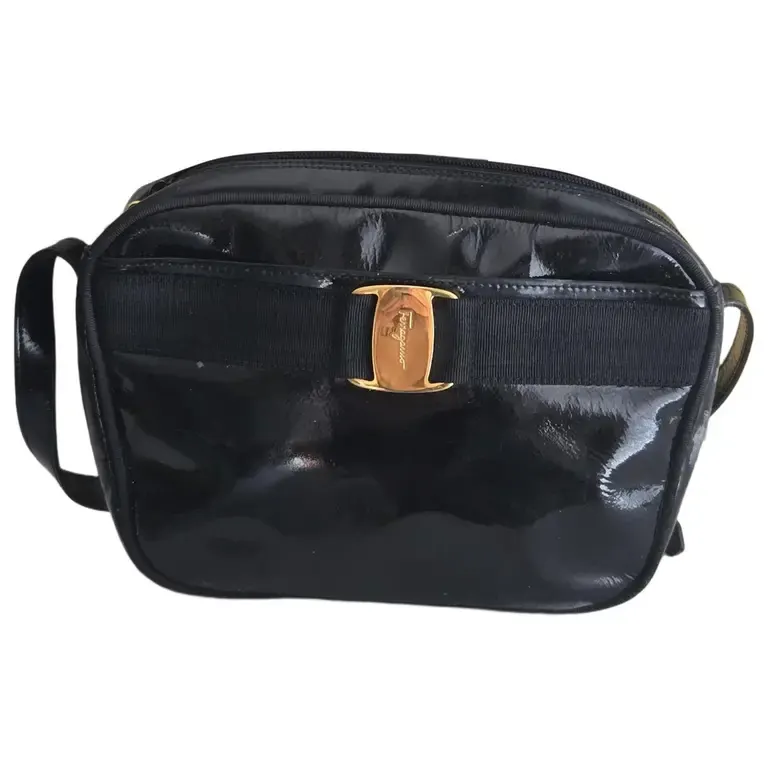
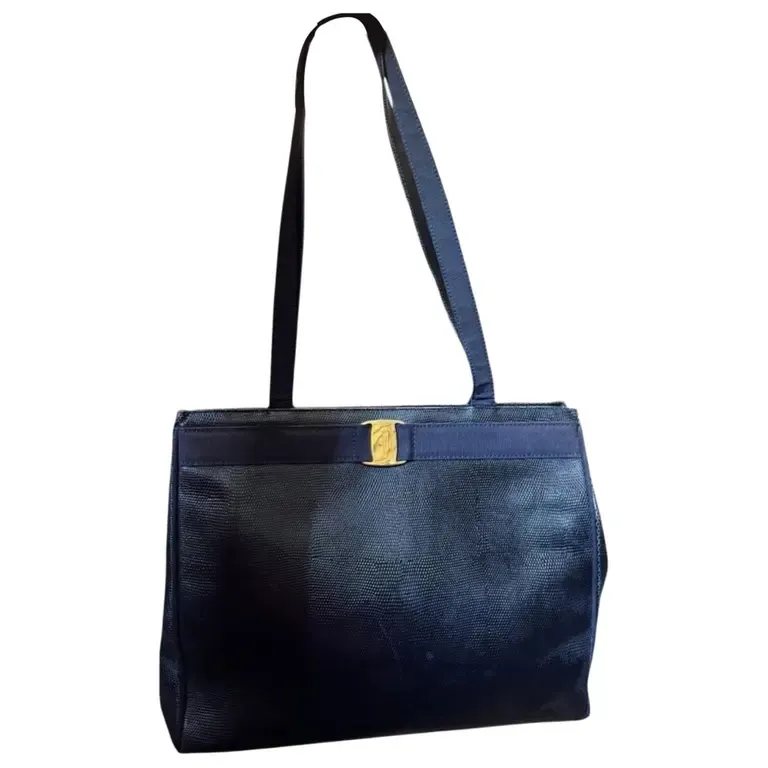
A selection of the house’s designs. Resale photographs illustrate individual examples; size, finish and condition vary.
A roomy top-handle bag with a structured base and signature clasp.
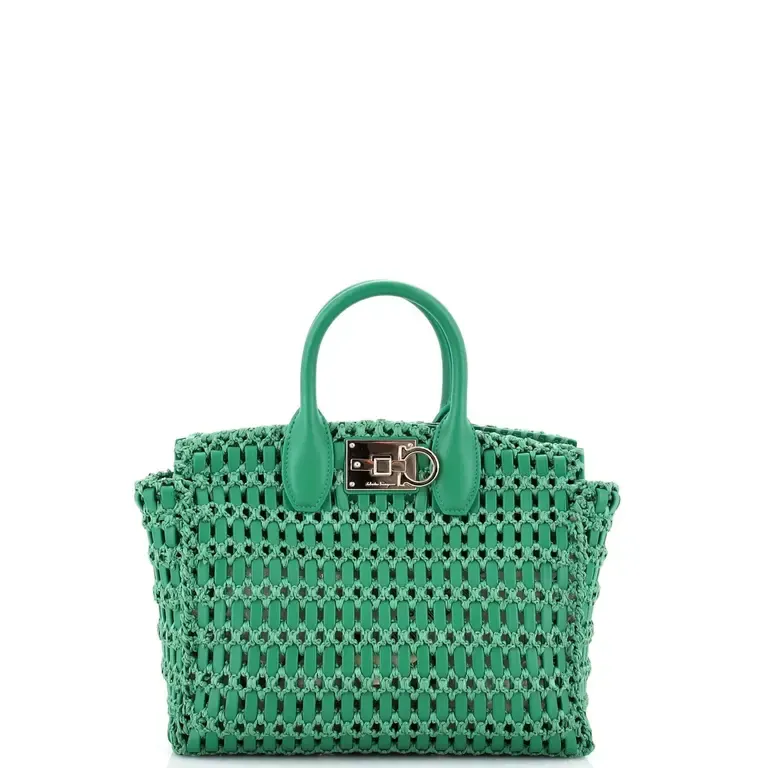
The house’s hooked Gancini emblem provides the defining hardware across this bag family.
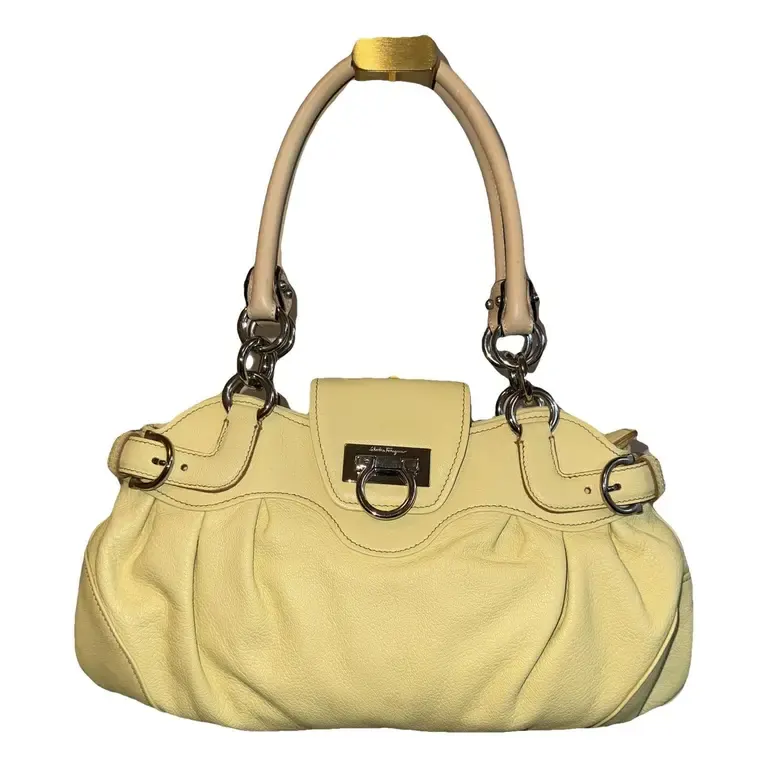
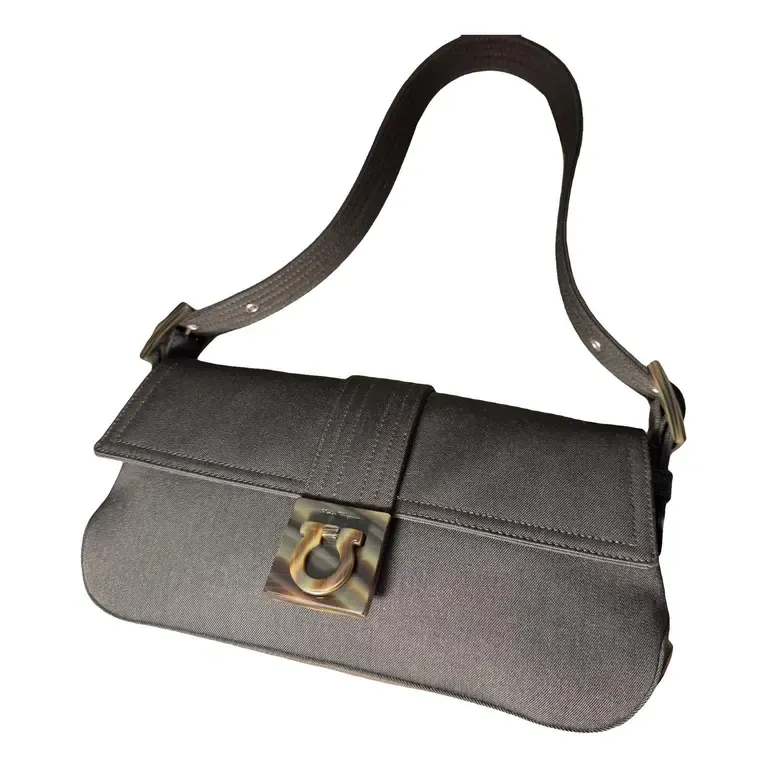
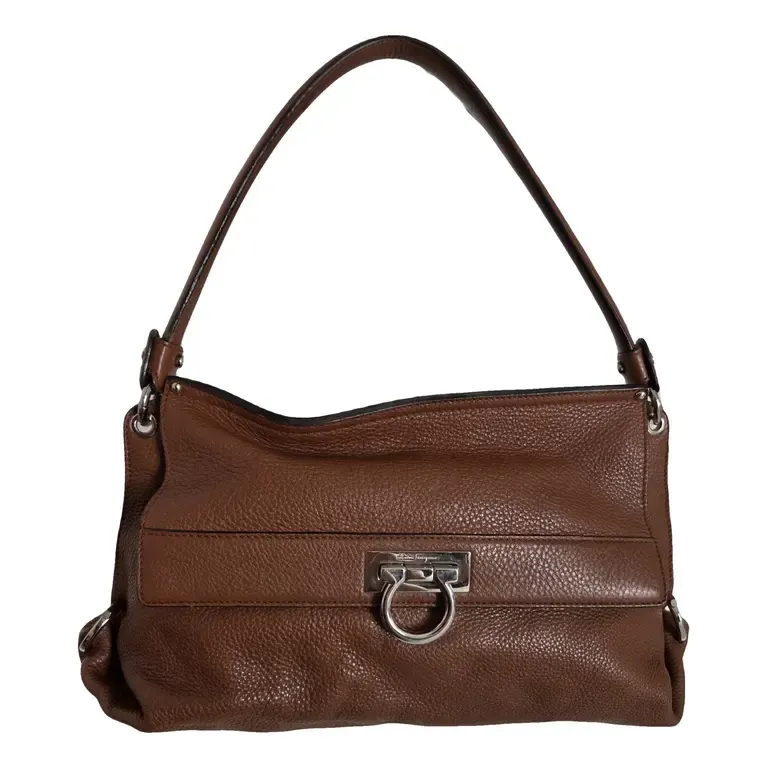
A bag family carrying the grosgrain bow associated with Ferragamo’s Vara shoes.