A Heritage Essay · No. 12

GoyardThe House & Its Stewards

A 1792 Parisian trunk-maker that has never advertised, never gone public, never had a creative director, and is, in 2026, still owned by a single family.

Scroll
An Introduction

The oldest still-operating luggage maker in Paris — and the most thoroughly anti-marketing brand in modern luxury.

In 1792, the year the French Revolution overthrew the monarchy and four years before Louis Vuitton was born, a Parisian malletier named Pierre-François Martin opened a small trunk-making workshop at 4 rue Saint-Honoré, in what was then the merchant quarter of Paris between the Louvre and the Palais-Royal. The shop made bespoke wooden steamer trunks, monogrammed by hand, for the wealthy clientele who travelled by carriage between Paris, Versailles, the Loire châteaux, and the European spa towns. Martin retired in 1834. His apprentice Louis-Henri Morel took over and ran the shop for another decade. Morel retired in 1845. His own apprentice — a sixteen-year-old named François Goyard — took over the trunk-making bench at the back of the workshop. In 1853, François inherited the entire business and renamed it Goyard.

What follows is the strangest story in this library. Goyard has never advertised. Goyard has never been publicly listed. Goyard has never had a creative director in the modern sense. Goyard has never given a press interview, hosted a runway show, sponsored a film, or appeared in a fashion-week schedule. Goyard's current owner — a former employee named Jean-Michel Signoles, who bought the brand from the founding family in 1998 — has never been photographed for the press. The brand has approximately ten boutiques in the world. Annual revenue is estimated, by industry analysts who have to triangulate from leather-imports data and store-traffic counts, at somewhere between two hundred and three hundred million euros. The brand has no Instagram. The brand has no Facebook. The brand's web presence, until 2017, was a single static page that listed boutique addresses. After 2017, the brand added an online store but maintained the static-page minimalism elsewhere.

The house's most-recognisable product — the hand-painted chevron canvas known as Goyardine, which François Goyard's son Edmond developed and patented in 1892 — has been continuously produced for one hundred and thirty-three consecutive years. The pattern has been adopted by no other brand. The pattern has been featured on no advertising. The pattern is, by the universal agreement of every luxury-industry analyst who has tried to assess the brand, the single most-recognisable un-marketed pattern in the modern luxury industry.

1792

Before Louis Vuitton.

Pierre-François Martin's 1792 trunk-making workshop opened in a Paris that, three months earlier, had abolished the French monarchy. The shop's first commercial decade ran through the entire Reign of Terror, the Directorate, and the rise of Napoleon. The clientele — Parisian merchants, military officers, and the émigré aristocracy returning from exile after 1795 — needed lockable, hand-painted, custom-monogrammed wooden steamer trunks for travel that was, even in the relatively peaceful Napoleonic period, dangerous and slow. The workshop produced trunks one at a time, by hand, in a single room at the back of the rue Saint-Honoré shop.

What is, in retrospect, most remarkable about Goyard's origin is that the house pre-dates Louis Vuitton's by sixty-two years and Hermès's by forty-five. (Vuitton opened his rue Neuve-des-Capucines shop in 1854. Thierry Hermès opened the Faubourg Saint-Honoré workshop in 1837.) The Martin-Morel-Goyard succession is, by the agreement of every serious luggage-history scholar, the single longest continuously-operating Paris luggage-making lineage of any house in the modern luxury industry.

François Goyard, who inherited the business in 1853 at age twenty-six, was the third successive apprentice-turned-owner in the lineage. He renamed the shop in his own name and ran it himself until his death in 1885. His son Edmond Goyard, by then thirty, took over the workshop and ran it for the next forty-five years. Edmond's design innovation — the patented Goyardine chevron canvas, registered in 1892 — would become, across the twentieth century, the brand's single most-recognisable product.

Pierre-François Martin · 1792 · the original rue Saint-Honoré workshop

Goyardine · 1892
No. 02
Y
The Goyardine chevron canvas — designed and patented by Edmond Goyard in 1892. The pattern has been continuously produced for one hundred and thirty-three years without change.
To be replaced · Goyard archive · 1892
1892

The chevron canvas.

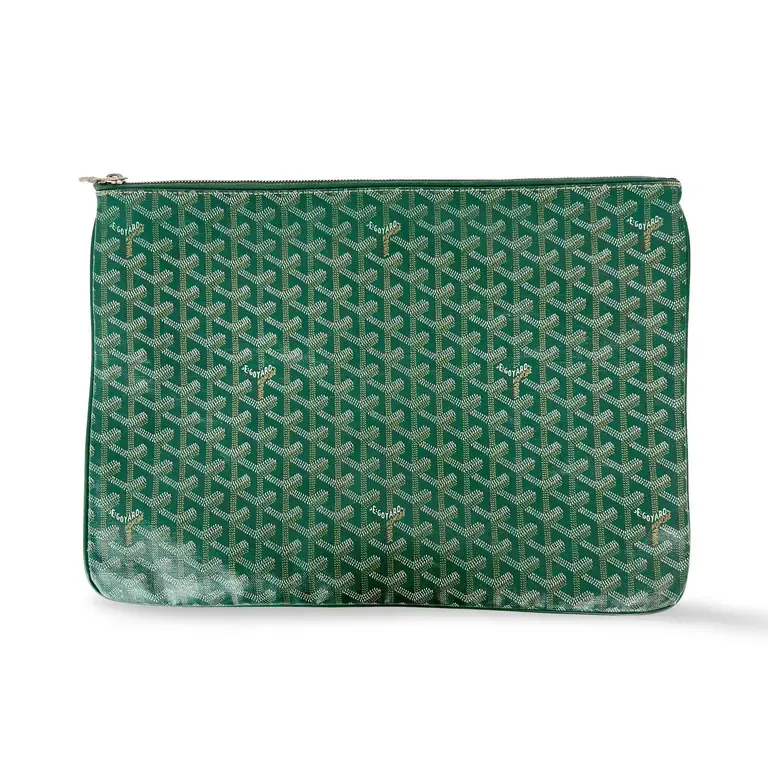
Edmond Goyard's Goyardine canvas was, in technical terms, a hand-painted hemp-and-cotton material applied to the wooden body of the brand's signature trunks. The chevron pattern — a small, repeating, four-pointed Y-shape against a contrasting ground — was, at the time of its patent in 1892, both visually distinctive and physically robust. The hand-painting process — which still continues today, in roughly the same way, in the brand's small workshop at Carrières-sur-Seine outside Paris — gives each Goyardine bag a slight unevenness of pattern that is, by the brand's own quiet acknowledgment, the only visual identifier customers need.

The patenting of the canvas was, in fashion-industry-history terms, the single most-important Goyard commercial decision. From 1892 onward, the chevron canvas was the brand's identity. Edmond Goyard maintained the canvas exactly as designed for the next forty years. His son Robert Goyard, who took over in 1932, maintained it for another forty-five. Robert's son Jean Goyard, who took over in 1976, maintained it for twenty-two more years. The pattern, across one hundred and thirty-three years and four generations of the Goyard family, has never been modified.

The brand's commercial growth across the early twentieth century was sustained by an aristocratic and royal clientele that, by the 1920s, made Goyard the unspoken peer of Louis Vuitton among the luggage-buying European elite. The brand fitted trunks for the Russian tsars, the Indian maharajas, the Vanderbilts, the Rockefellers, the Astors, and (in the post-war decades) for Coco Chanel, Pablo Picasso, the Duke and Duchess of Windsor, the Maharani of Jaipur, Edith Wharton, and Jackie Kennedy. The orders were taken at the rue Saint-Honoré flagship by the Goyard family themselves. The advertising budget was zero.

Edmond Goyard · the patent · 1892 · four generations of zero pattern changes

Signoles · 1998
No. 03
JMS
Jean-Michel Signoles — the former Goyard employee who bought the brand from the founding family in 1998 and has never given a press interview.
To be replaced · Goyard archive · 1998 – present
1998

The Signoles purchase.

Jean Goyard — the fourth and final family generation — ran the brand from 1976 until his death in 1998 at age sixty-four. He had no children interested in continuing the business. The family — Jean's widow Janine and his two siblings — collectively decided to sell. The buyer, in 1998, was Jean-Michel Signoles, a French businessman with no fashion-industry background who had worked at Goyard in a managerial role across the previous decade. Signoles had spent the late 1980s and the 1990s essentially shadowing Jean Goyard and learning the operational rhythm of the business. The Goyard family chose him explicitly because, by the family's own published account, Signoles had committed to maintaining every element of the brand's traditional operation: no advertising, no investment from outside capital, no expansion beyond modest organic store openings, no licensing, no creative director, no public profile.

Signoles kept the commitment. Across his twenty-seven years of ownership (and the running of the company by his sons Pierre-Louis and Alexandre Signoles in increasingly-senior operational roles), Goyard has opened approximately seven additional boutiques (now totalling around ten flagship locations globally) but has otherwise made no major structural changes to the business. The brand has not introduced a single new pattern. The product range has expanded modestly — the Saint Louis tote (introduced 1999), the Anjou bag (introduced 2009), the Bourget canvas line — but each new product has been a Goyardine-based variation rather than a creative-direction departure. The brand's annual revenue, by the most-credible third-party estimates, has grown from approximately twenty-five million dollars at the time of the Signoles purchase to between two hundred and three hundred million today.

The Signoles family has, across the twenty-seven years, given a total of zero press interviews. Jean-Michel Signoles has been photographed publicly twice (once at a small charity event in the 2010s, once at a Paris fashion-industry funeral). His sons have given no public appearances. The brand's CEO position is occupied by Pierre-Louis Signoles. The position is, by every credible report, the most quietly-held senior role in the modern luxury industry.

Jean-Michel Signoles · 1998 · the most-private luxury-house ownership in the world

Today

Ten boutiques, no advertising, no creative director, no Instagram, and one of the most desired bags in modern luxury.

2025

The Saint Louis economy.

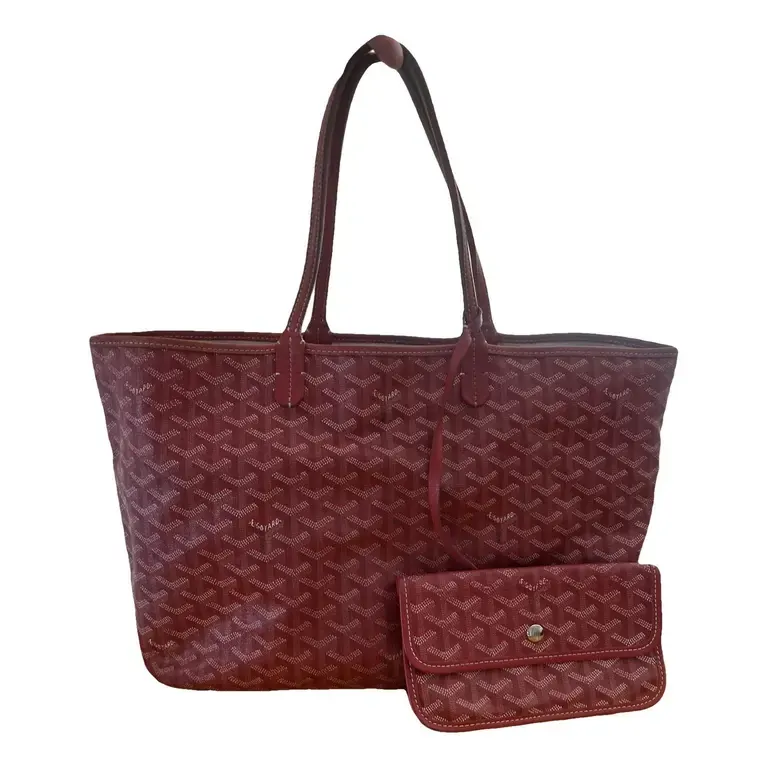
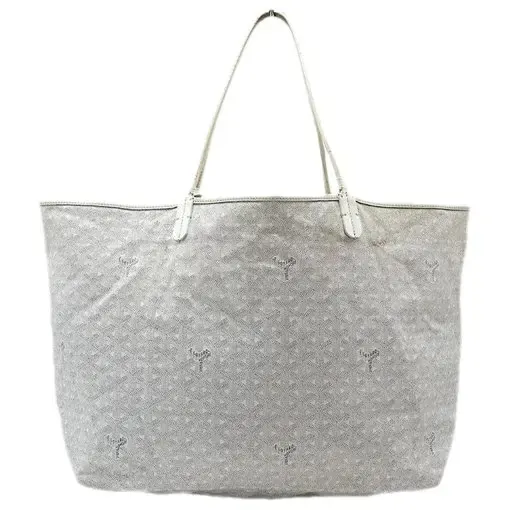
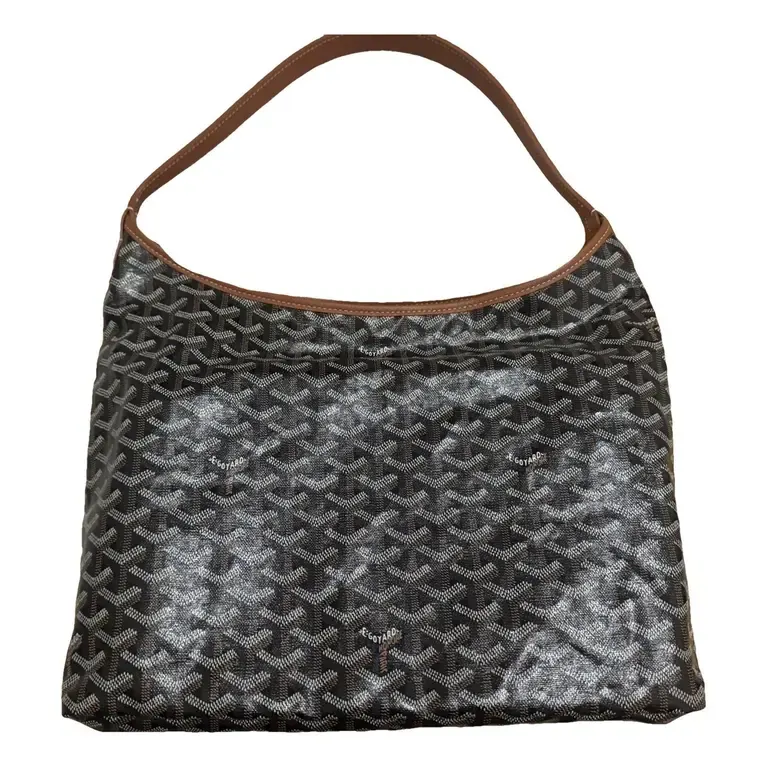
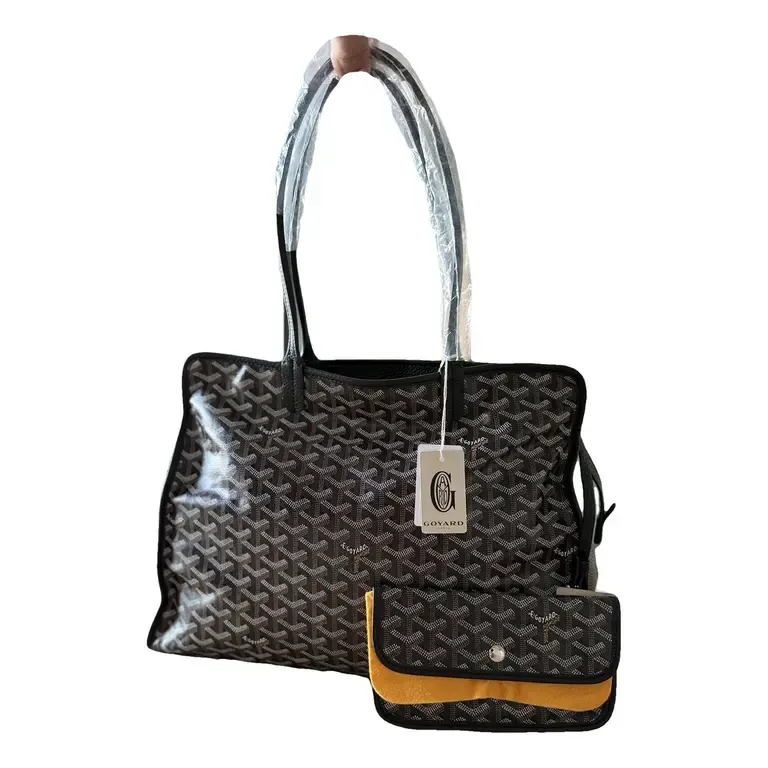
The brand's flagship modern product — the Saint Louis tote, introduced in 1999 by Signoles and Goyard family seniors in collaboration — is, by any credible measure, one of the most-resold luxury bags on the modern secondary market. The Saint Louis is offered in two sizes (PM and GM), in a rotating palette of Goyardine canvas colours (black, navy, burgundy, green, brown, grey, white-on-white, custom), and at retail prices ranging from approximately twelve hundred to nineteen hundred dollars. The bag is, in technical terms, a soft unstructured shopper tote with leather handles — a deliberately simple object made distinctive entirely by the chevron canvas.

The cultural status the Saint Louis has acquired across the past fifteen years is, in retrospect, the perfect inverse of the Bottega Veneta–intrecciato model: a brand that does not advertise but produces a product so visually distinctive that the canvas itself functions as the marketing. The Saint Louis is, by any credible analyst's estimate, the single most-mentioned Goyard product on the internet — referenced in Vogue, Robb Report, Town & Country, BoF, GQ, the Financial Times, the Wall Street Journal, and (more importantly) in the entire Anglophone TikTok and Instagram luxury-bag-commentary community. The bag is never on sale. The brand has never run a discount. The hand-painting of each canvas piece in the Carrières-sur-Seine workshop is, by the few times the brand has spoken to the trade press, the production bottleneck that constrains the bag's annual unit volume.

The structural lesson Goyard offers is that a luxury brand, in 2026, can be a roughly two-hundred-and-fifty-million-dollar business — privately held, with no advertising, no influencer programme, no creative director, no runway, no press interviews, and no public face — and still occupy the absolute top of the cultural conversation about luxury leather goods. The thesis is, in a sense, the explicit anti-thesis of every other house in this library. Every other house has built a public-facing brand-narrative apparatus. Goyard has refused to. The bag, after a hundred and thirty-three years, sells anyway.

Saint Louis tote · 1999 · 250 million dollars · zero advertising · ten boutiques

Saint Louis · 1999
No. 04
SL
The Saint Louis tote — introduced 1999 — is the brand's flagship modern product and one of the most-resold luxury bags on the secondary market.
To be replaced · Goyard archive · 1999 – present
— Chapter Two —

The Designers

1 eras of creative direction. Runway archive scrape in progress.

1853 — present

Goyard (family-owned)

Goyard has no named creative director and no runway shows. The house has been continuously family-owned since 1853 (under the Signoles family since 1998). It deliberately maintains opacity — no e-commerce, no advertising, no celebrity ambassadors. The Saint Louis tote and the chevron Goyardine canvas have remained near-unchanged for over a century.

Runway archive not yet sourced for this era.

— Chapter Three —

The Bags

14 icons. Each one a scene; each scene a gallery.

Saint Louis Tote — Goyard
7 photos
View gallery →
Saint Louis Tote alt view
No. 01

Saint Louis Tote

1853 (modern) · classic Goyard

THE Goyard. Reversible chevron canvas tote.

Anjou — Goyard
5 photos
View gallery →
Anjou alt view
Anjou alt view
Anjou alt view
Anjou alt view
No. 02

Anjou

2010s · classic

Reversible chevron tote with snaps.

Artois — Goyard
5 photos
View gallery →
Artois alt view
Artois alt view
Artois alt view
Artois alt view
No. 03

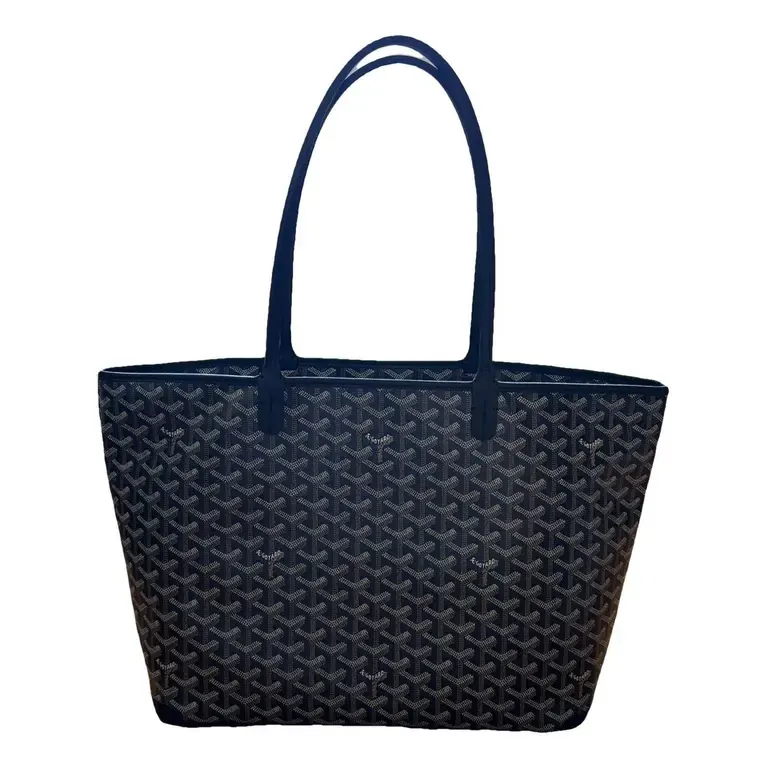
Artois

2014 · classic

Structured zip tote.

Belvédère — Goyard
6 photos
View gallery →
Belvédère alt view
Belvédère alt view
Belvédère alt view
Belvédère alt view
No. 04

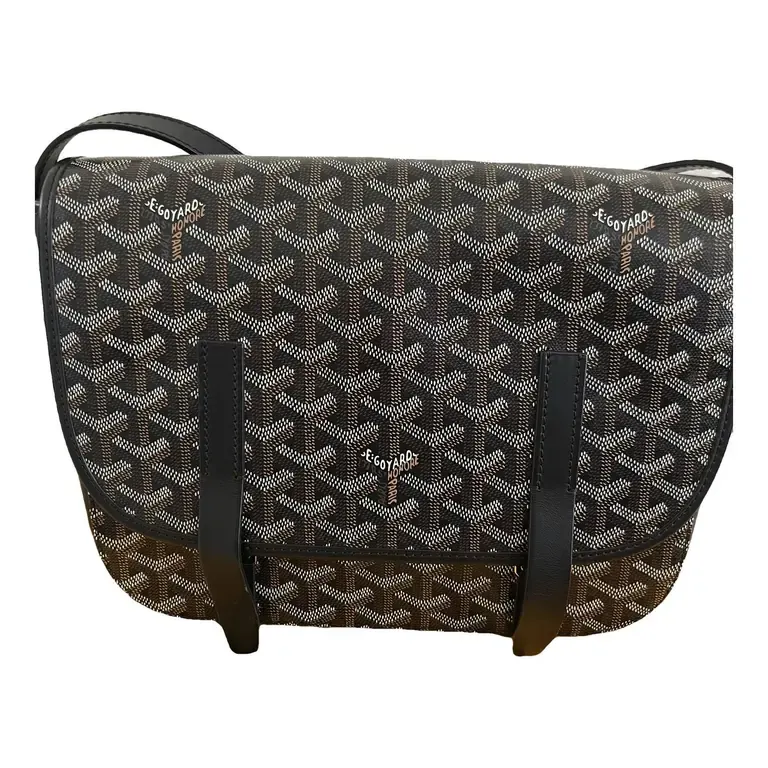
Belvédère

2010s · classic

Saddle-style crossbody.

Saigon — Goyard
9 photos
View gallery →
Saigon alt view
Saigon alt view
Saigon alt view
Saigon alt view
No. 05

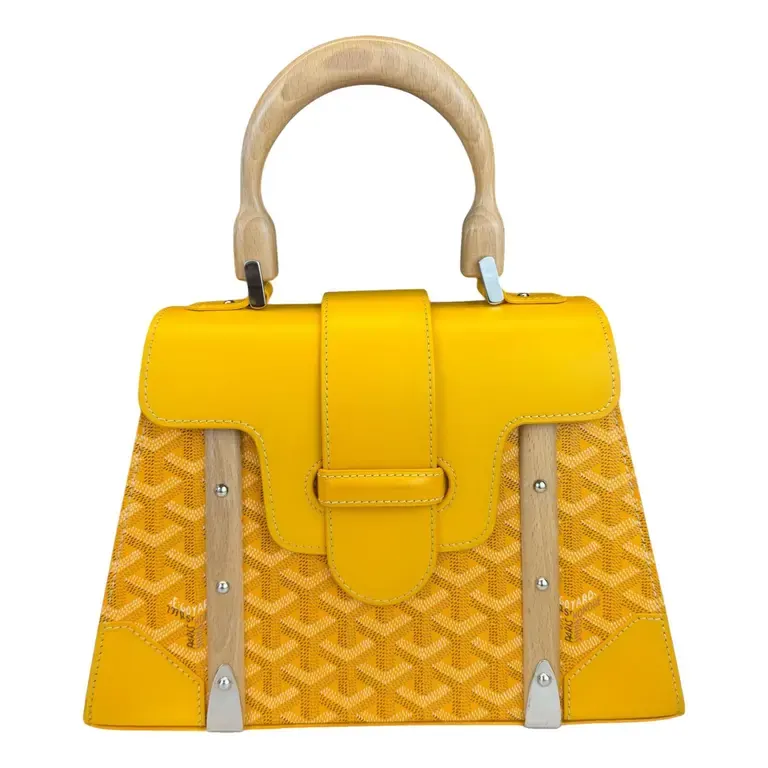
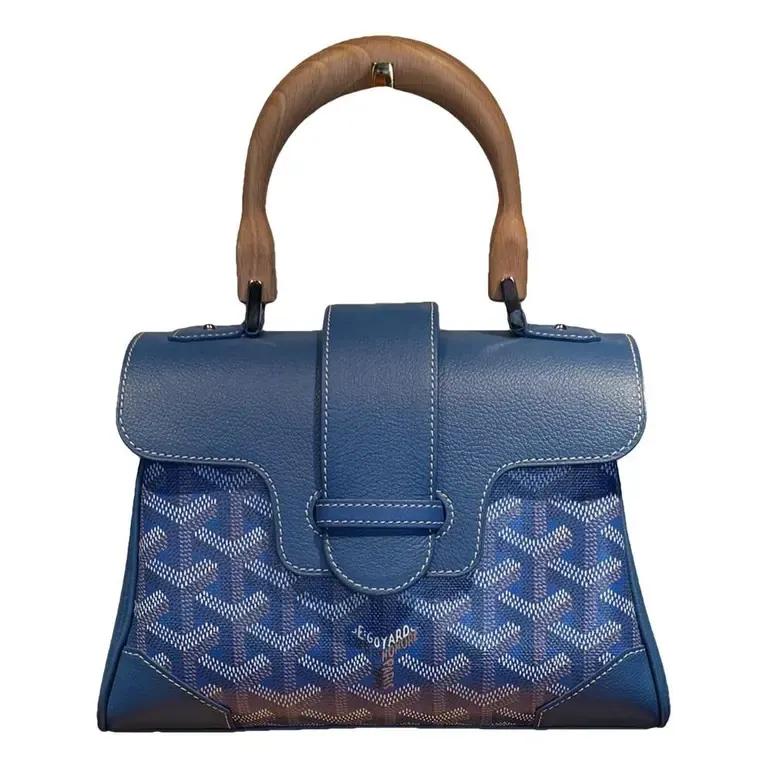
Saigon

early 1900s (modern) · classic

Structured top-handle with hardware.

Plumet — Goyard
5 photos
View gallery →
Plumet alt view
Plumet alt view
Plumet alt view
Plumet alt view
No. 06

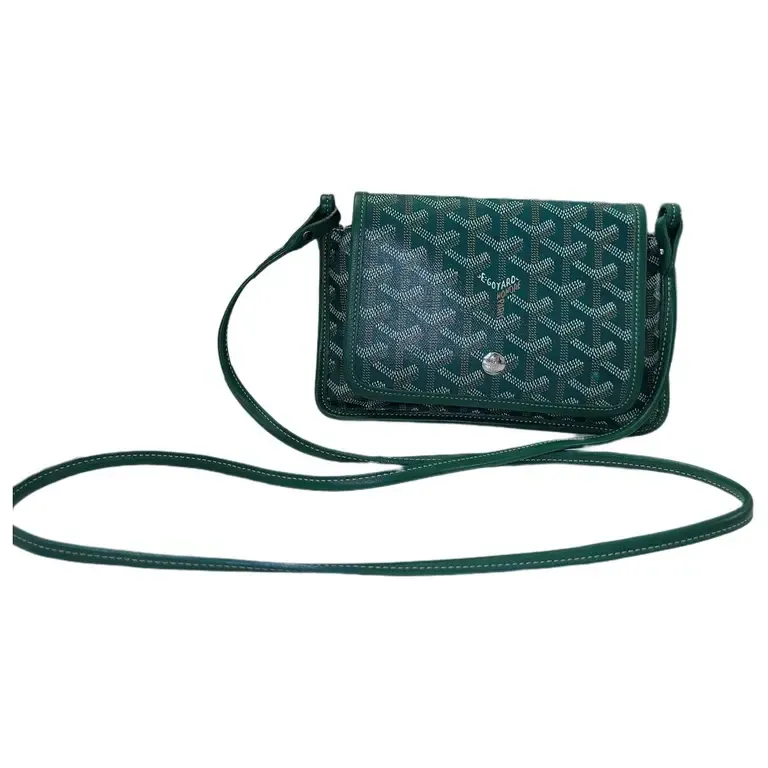
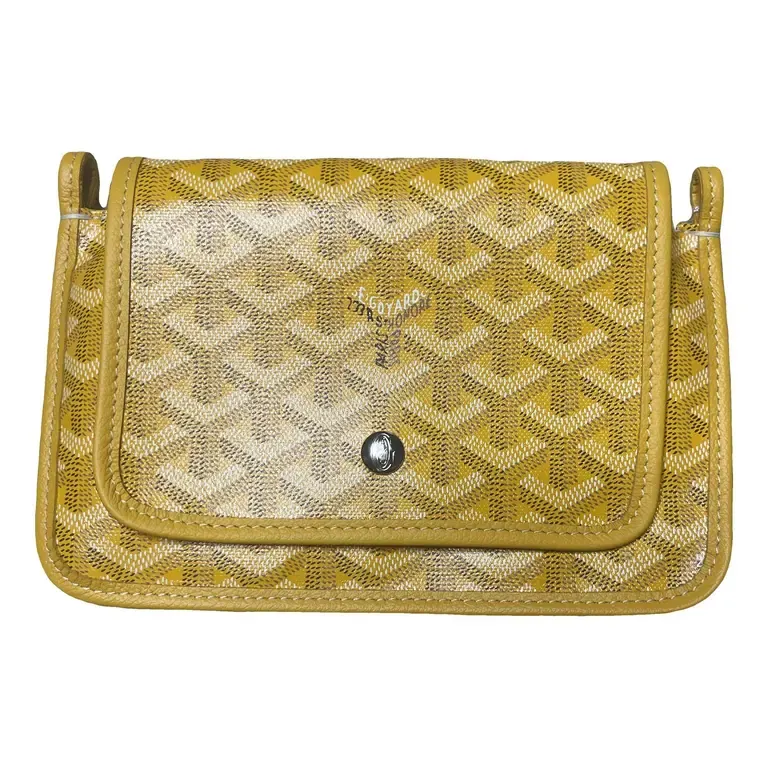
Plumet

2010s · classic

Mini crossbody pouch.

Bohème Hobo — Goyard
14 photos
View gallery →
Bohème Hobo alt view
No. 07

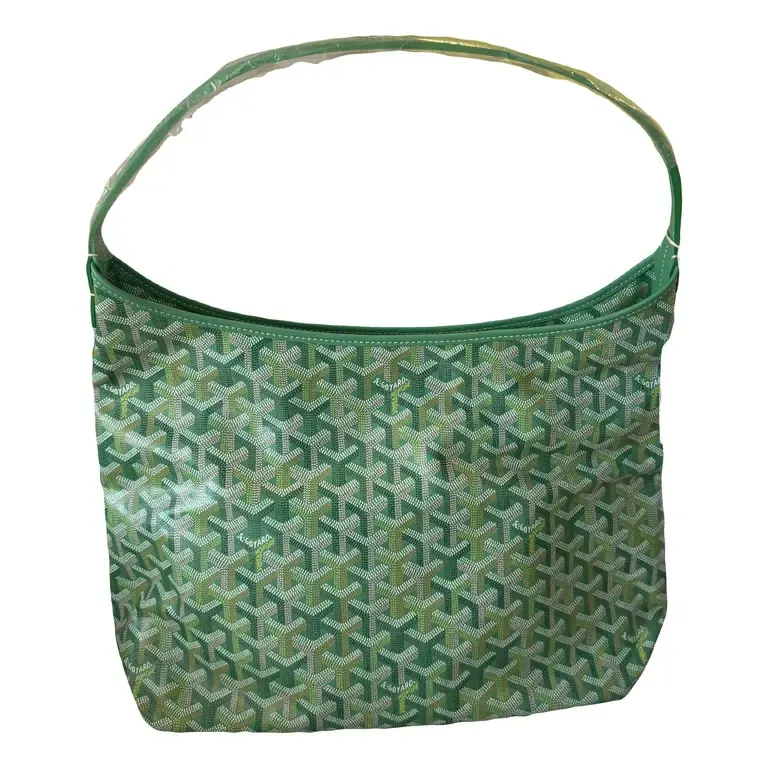
Bohème Hobo

2010s · classic

Slouchy hobo.

Croisière — Goyard
5 photos
View gallery →
Croisière alt view
Croisière alt view
Croisière alt view
Croisière alt view
No. 08

Croisière

classic · classic

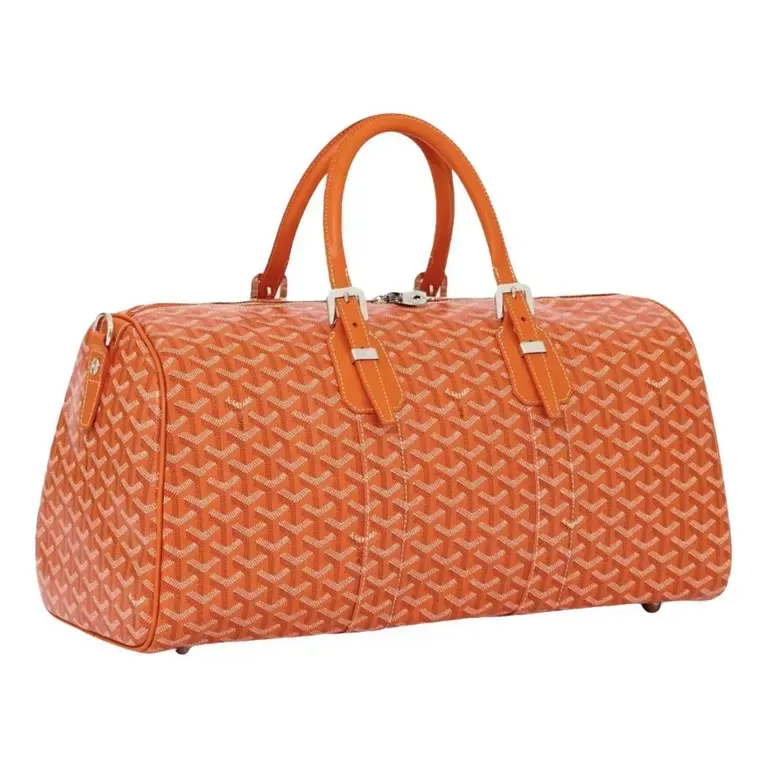
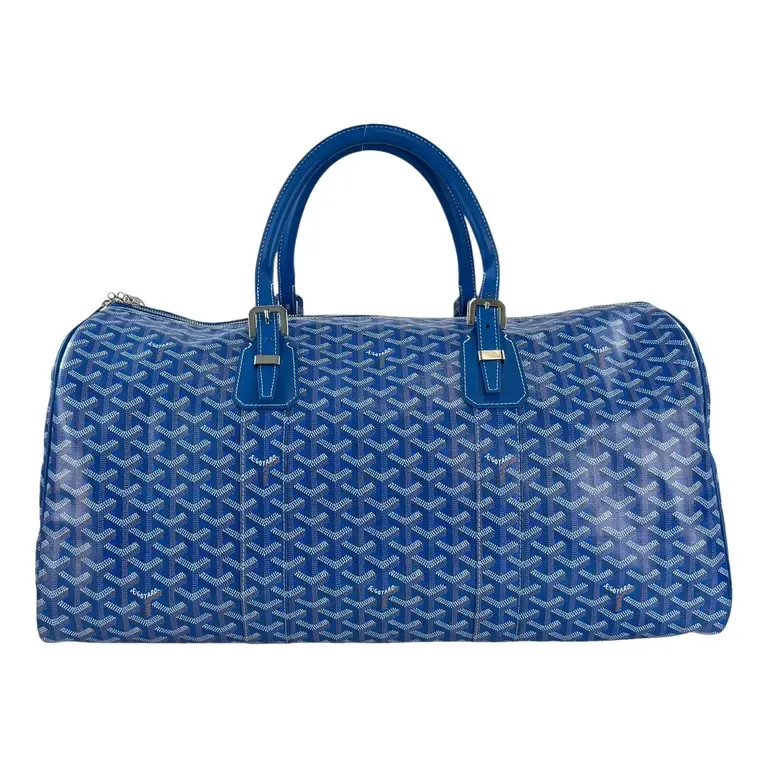
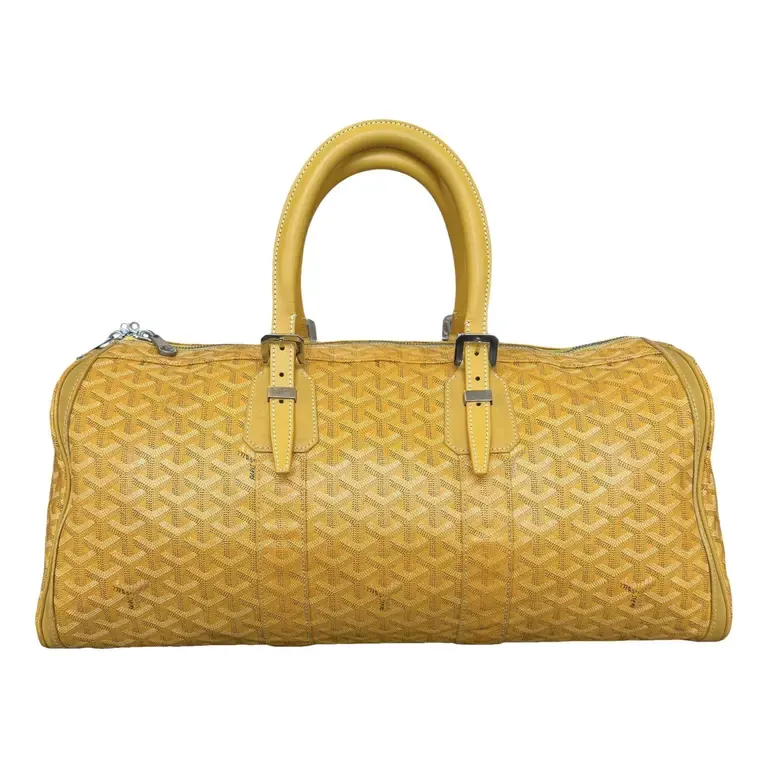
Travel duffle.

Jouvence — Goyard
17 photos
View gallery →
Jouvence alt view
Jouvence alt view
Jouvence alt view
Jouvence alt view
No. 09

Jouvence

classic · classic

Cosmetic / dopp kit.

Hardy — Goyard
7 photos
View gallery →
Hardy alt view
Hardy alt view
Hardy alt view
Hardy alt view
No. 10

Hardy

2010s · classic

Tote with built-in dog carrier.

Vendôme Mini — Goyard
9 photos
View gallery →
Vendôme Mini alt view
No. 11

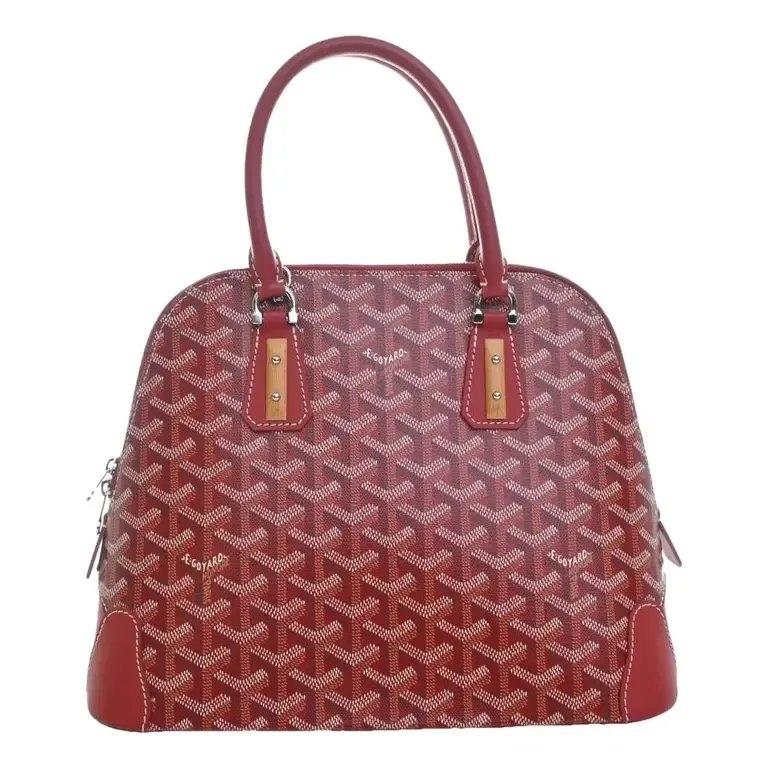
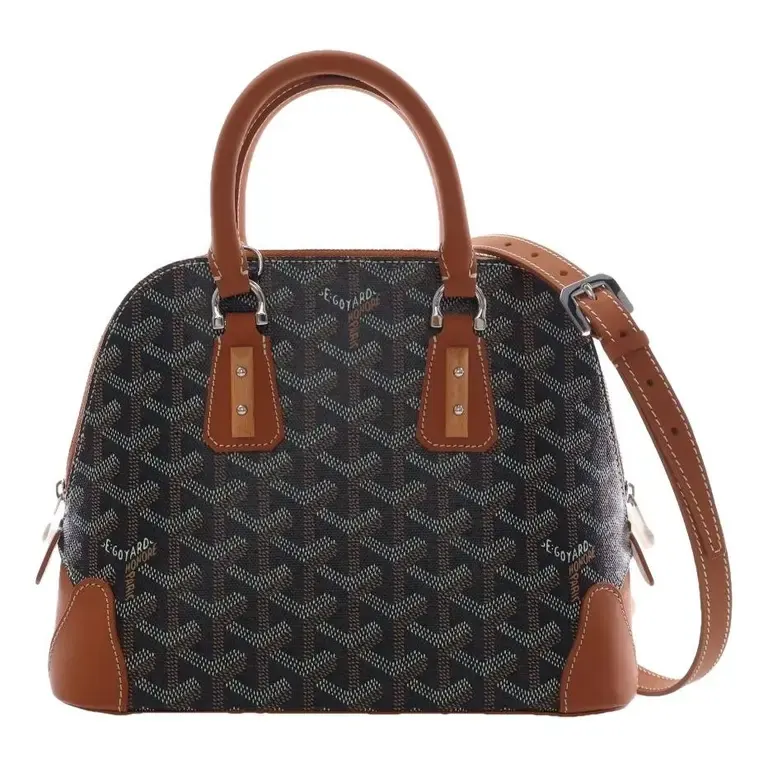
Vendôme Mini

2010s · classic

Mini top-handle.

Voltaire — Goyard
14 photos
View gallery →
Voltaire alt view
Voltaire alt view
Voltaire alt view
Voltaire alt view
No. 12

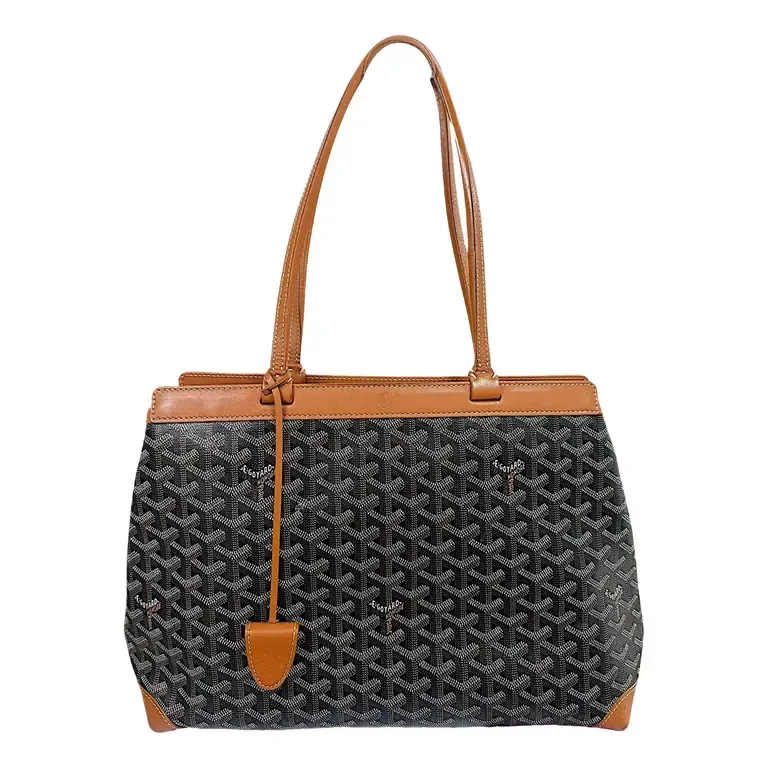
Voltaire

2010s · classic

Boxy day bag.

Marquises — Goyard
5 photos
View gallery →
Marquises alt view
Marquises alt view
Marquises alt view
Marquises alt view
No. 13

Marquises

classic · classic

Compact travel case.

Trunk — Goyard
9 photos
View gallery →
Trunk alt view
Trunk alt view
Trunk alt view
Trunk alt view
No. 15

Trunk

classic · classic

Hard-sided travel trunk; heritage piece.

All Bags · Quick Index

14 at a glance.

Saint Louis Tote
Saint Louis Tote
1853 (modern)
Anjou
Anjou
2010s
Artois
Artois
2014
Belvédère
Belvédère
2010s
Saigon
Saigon
early 1900s (modern)
Plumet
Plumet
2010s
Bohème Hobo
Bohème Hobo
2010s
Croisière
Croisière
classic
Jouvence
Jouvence
classic
Hardy
Hardy
2010s
Vendôme Mini
Vendôme Mini
2010s
Voltaire
Voltaire
2010s
Marquises
Marquises
classic
Trunk
Trunk
classic