1921
A shop in Florence
Gucci opened on Via della Vigna Nuova, drawing on the world of travel and luggage. Leather craft supplied the foundation for the business.
The House & Its Designers
Florence · 1921
Travel, equestrian hardware and a constantly reworked archive.
Guccio Gucci founded a leather-goods shop after experience at London’s Savoy hotel. Bamboo, the horsebit and the GG motif later gave the house a set of recognisable elements that different designers could reinterpret.
3 photographs · Reviewed August 2026
Explore the history ↓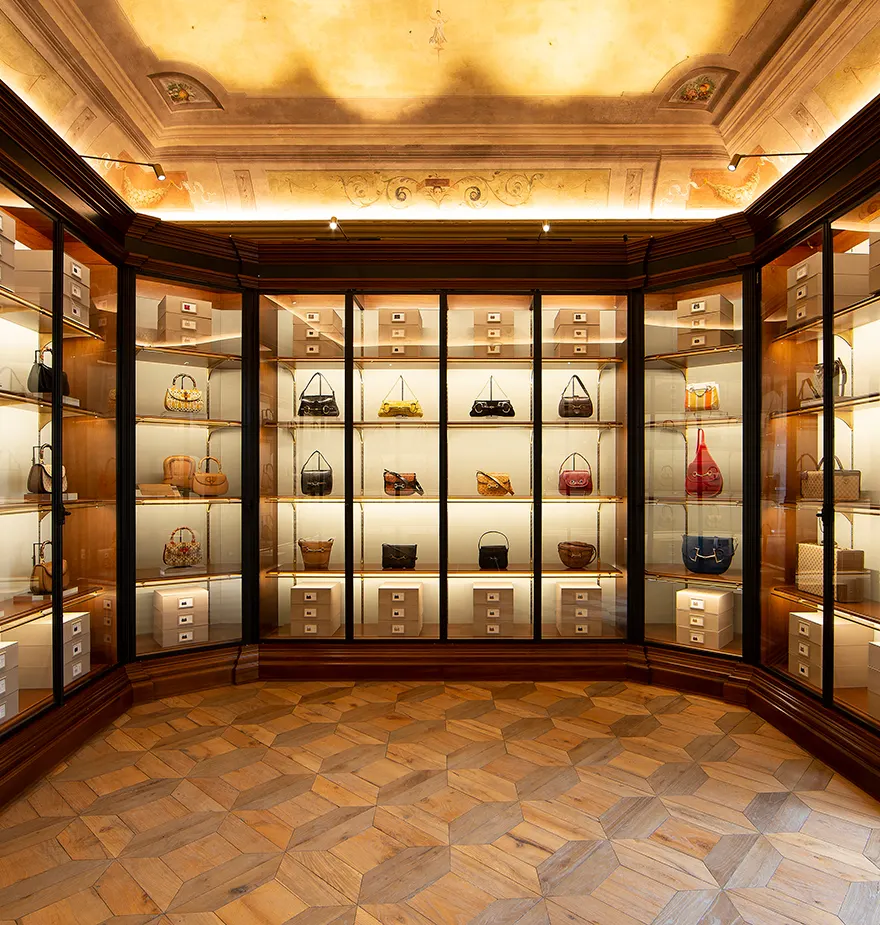
1921
Gucci opened on Via della Vigna Nuova, drawing on the world of travel and luggage. Leather craft supplied the foundation for the business.
1947–1960s
The Bamboo bag arrived in 1947, followed by horsebit footwear and the bag later associated with Jackie Kennedy. These designs established a durable archive of shapes and hardware.
1990s–2000s
Tom Ford’s creative direction made sleek, sensual clothing central to Gucci’s revival. Frida Giannini later developed a softer, archive-conscious interpretation.
2015–2025
Alessandro Michele layered historical references and ornament. Sabato De Sarno followed in 2023; Demna’s appointment in 2025 opened the next creative chapter.
People, places and objects, with source credits.
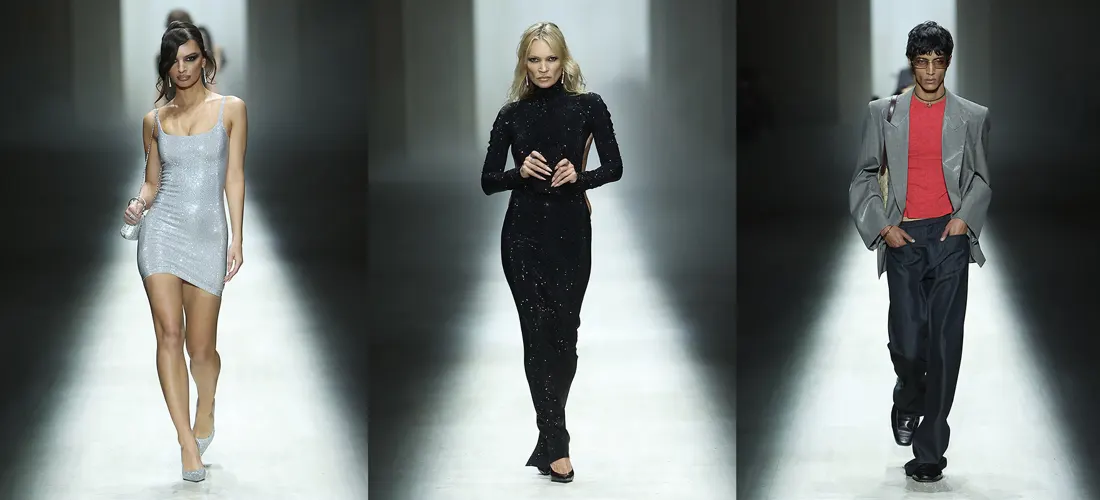

Selected creative chapters; dates distinguish appointments from runway debuts.
Founder
Established the Florentine leather-goods business.
1994–2004
Gave Gucci a sharply defined, sensual fashion identity.
2006–2014 · full creative remit
Reworked the archive through colour, print and polished accessories.
2015–2022
Built a richly layered world of historical references and decoration.
2023–2025
Emphasised streamlined clothes and established house accessories.
Appointed 2025
Arrived after a decade leading Balenciaga.
A selection of the house’s designs. Resale photographs illustrate individual examples; size, finish and condition vary.