1846–1872
A workshop gets its name
The house traces its origins to a collective workshop in Madrid. Enrique Loewe Roessberg took over in 1872 and gave the business his name.
The House & Its Designers
Madrid · 1846
Spanish leather craft as a platform for playful design.
Loewe began as a Madrid leather workshop. Its history connects traditional making to designers willing to reconsider what a luxury object can look like—and how it can be constructed.
17 photographs · Reviewed August 2026
Explore the history ↓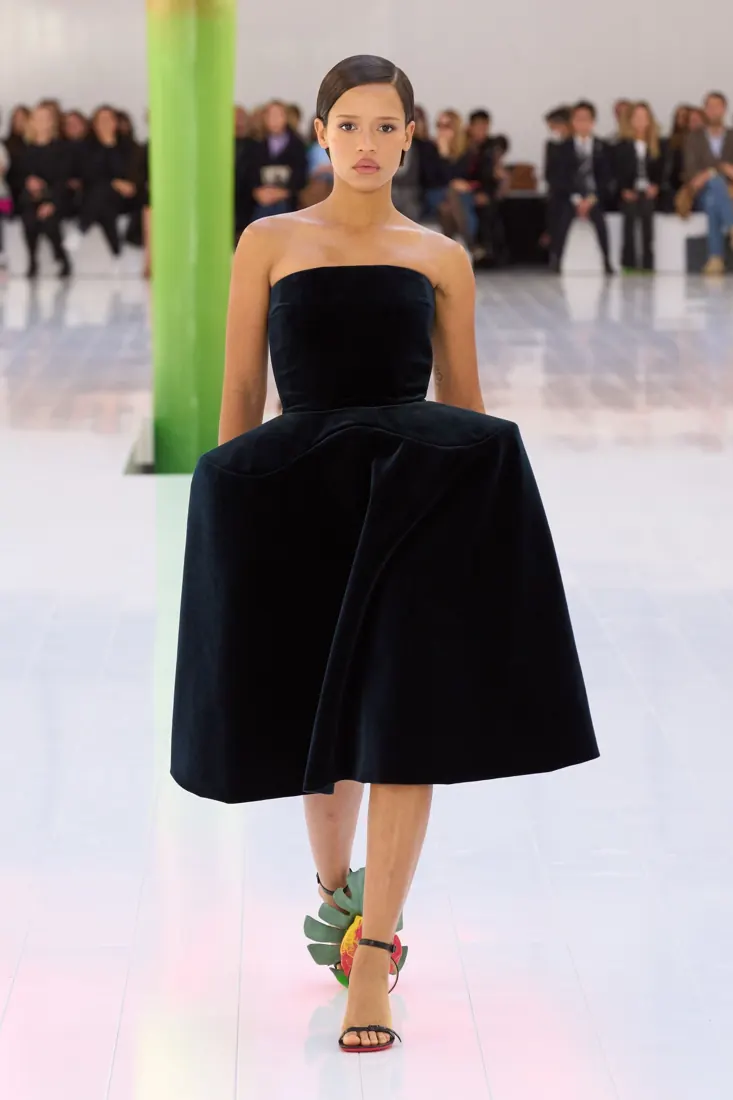
1846–1872
The house traces its origins to a collective workshop in Madrid. Enrique Loewe Roessberg took over in 1872 and gave the business his name.
The leather tradition
Leather expertise became the house’s defining resource. Bags such as the Amazona established shapes that could be revisited across generations.
2013–2025
Anderson joined craft to art, visual humour and unusual construction. The Puzzle bag made its folding geometry part of the design itself.
2025
Jack McCollough and Lazaro Hernandez succeeded Anderson in 2025, bringing their shared design practice to the Madrid house.
Selected creative chapters; dates distinguish appointments from runway debuts.
2013–2025
Expanded Loewe’s creative world around craft, art and experimental forms.
Appointed 2025
Bring a longstanding design partnership to the house’s leather expertise.
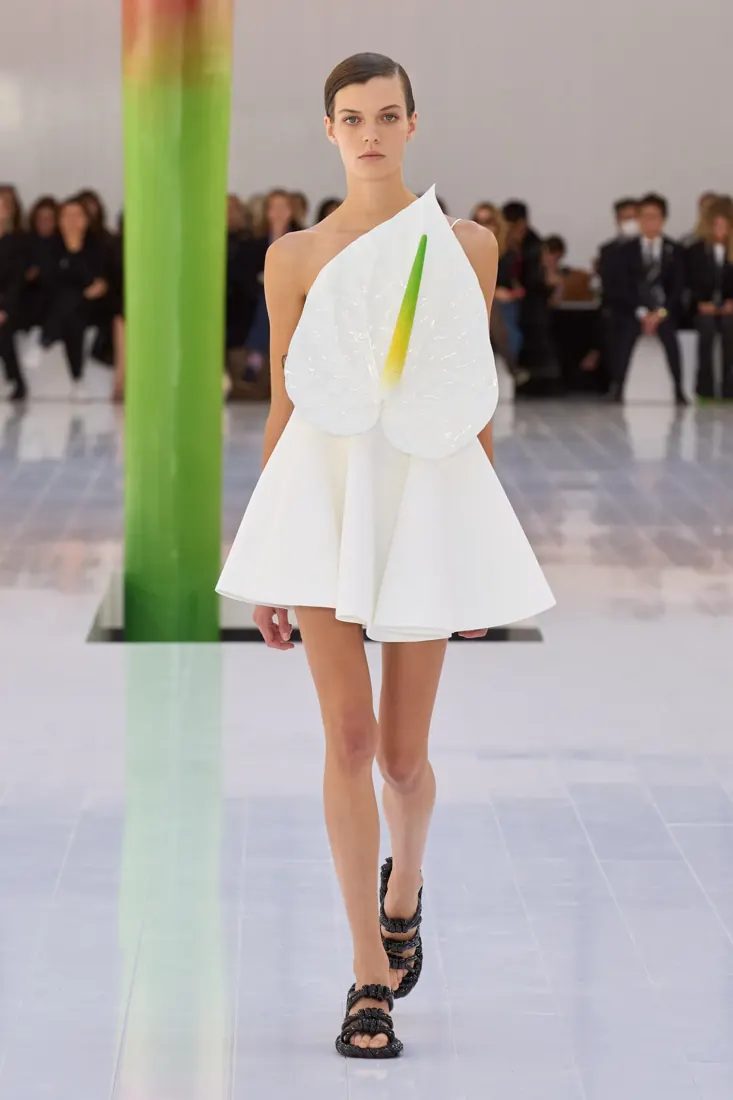
Selected looks and details, matched to the house and season.
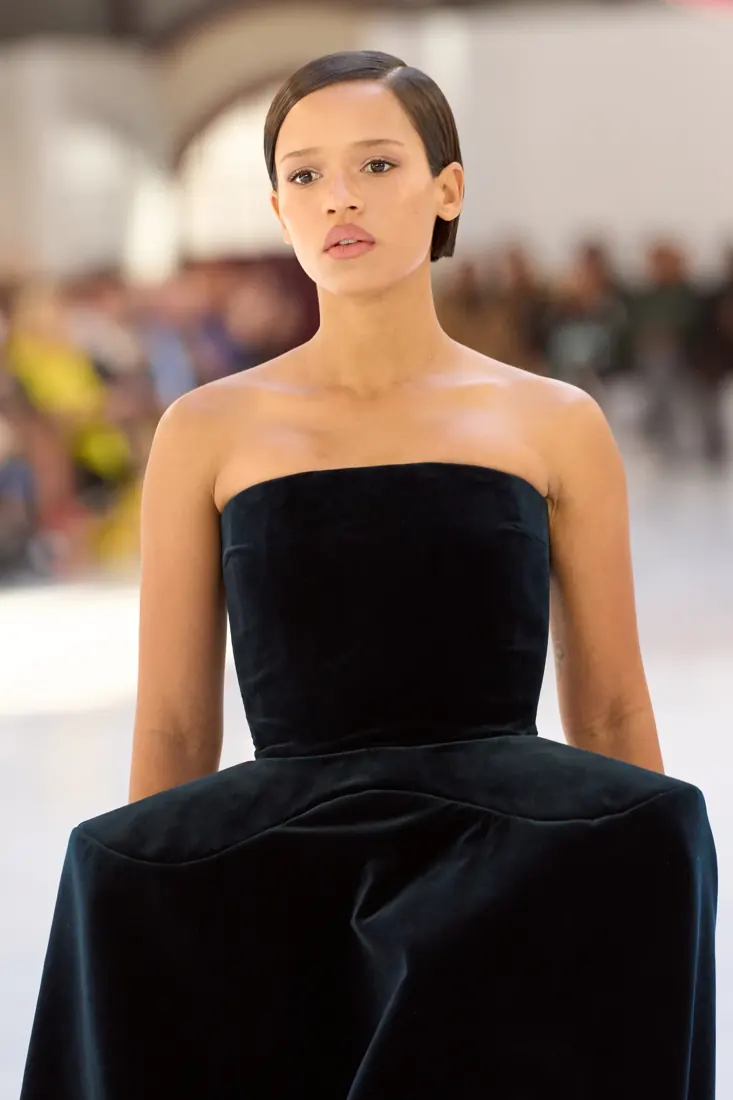
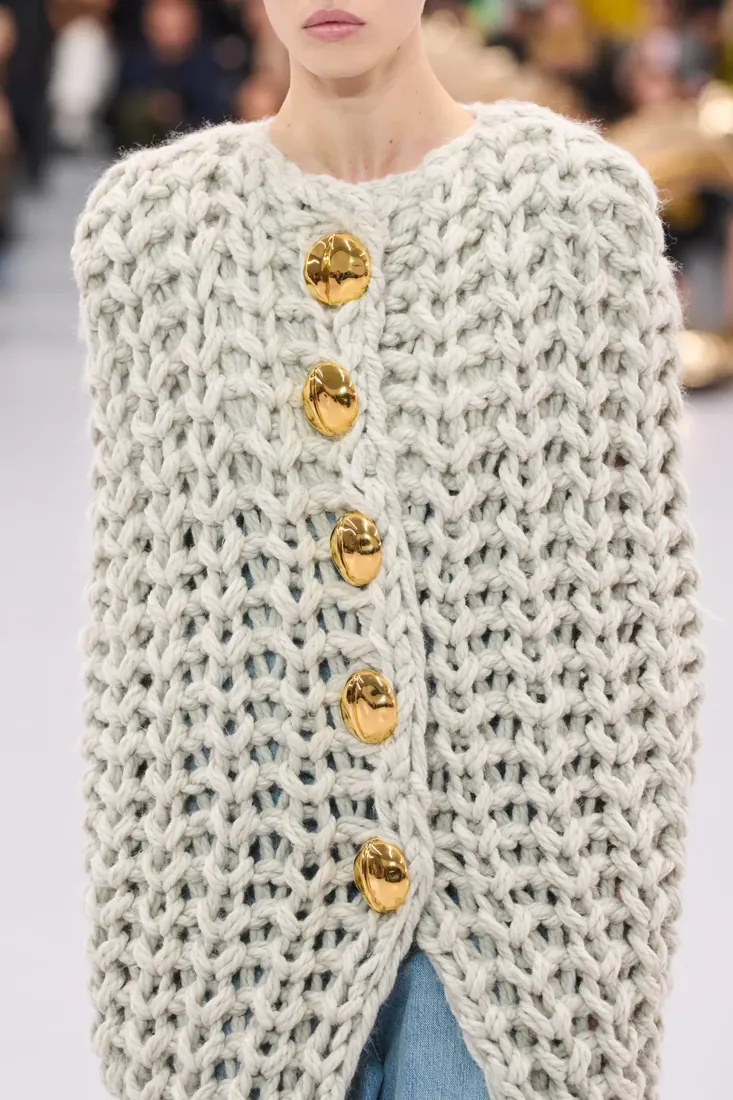
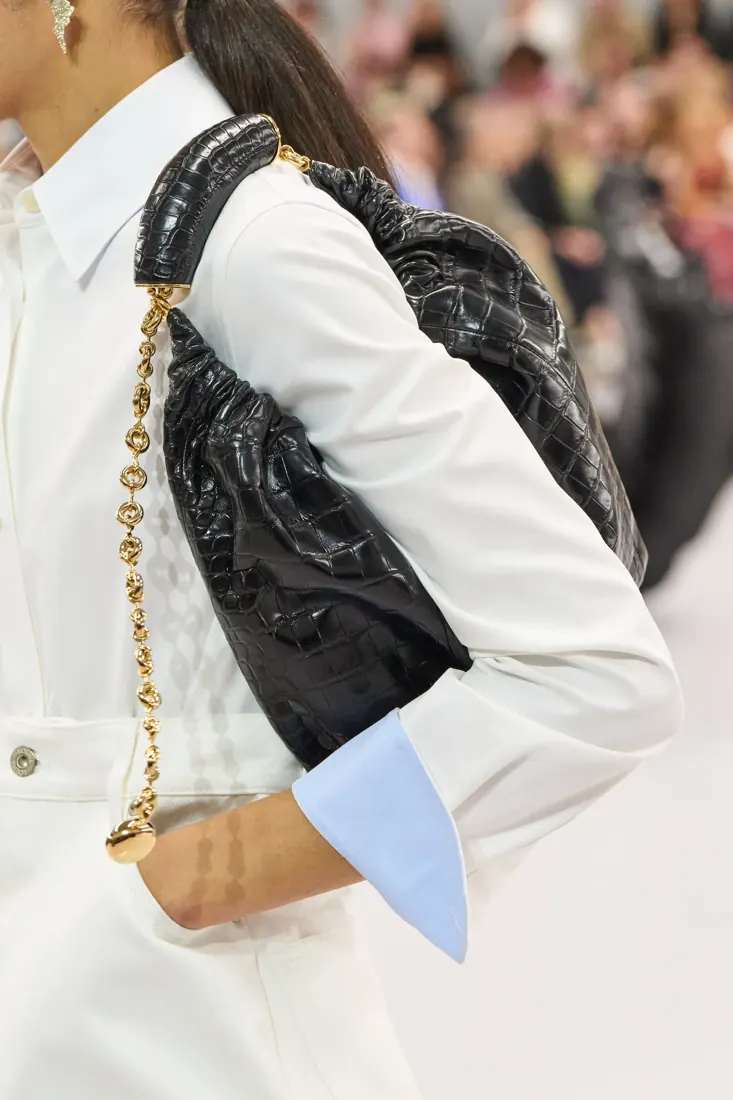
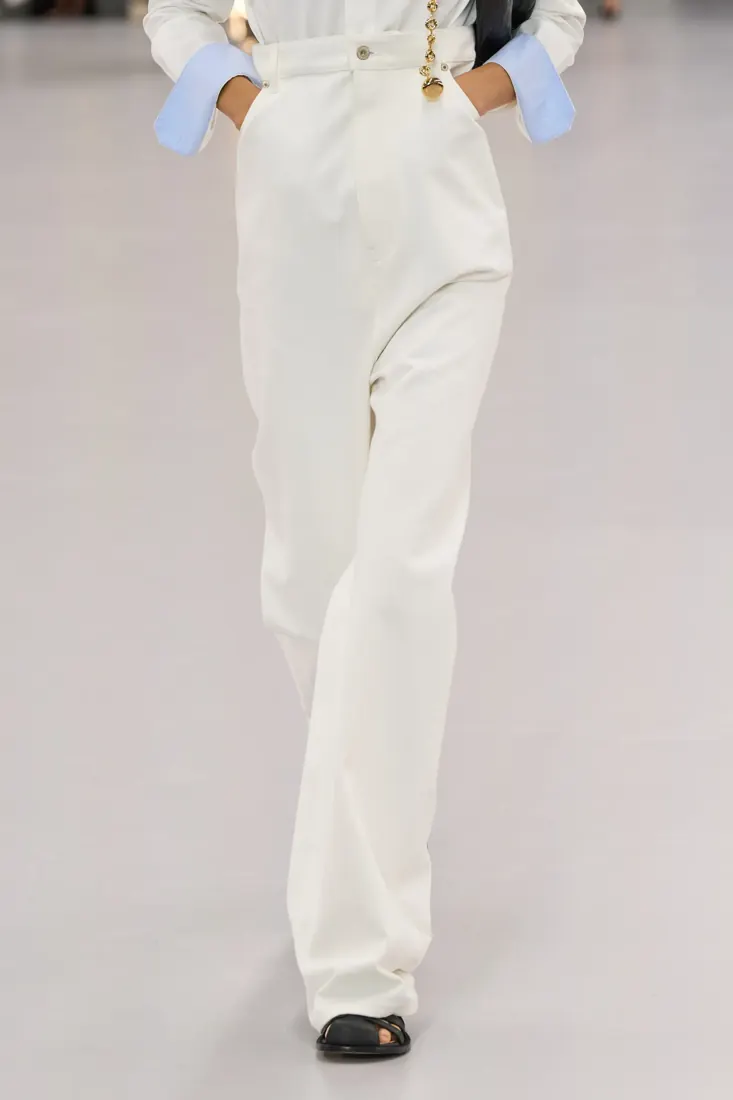
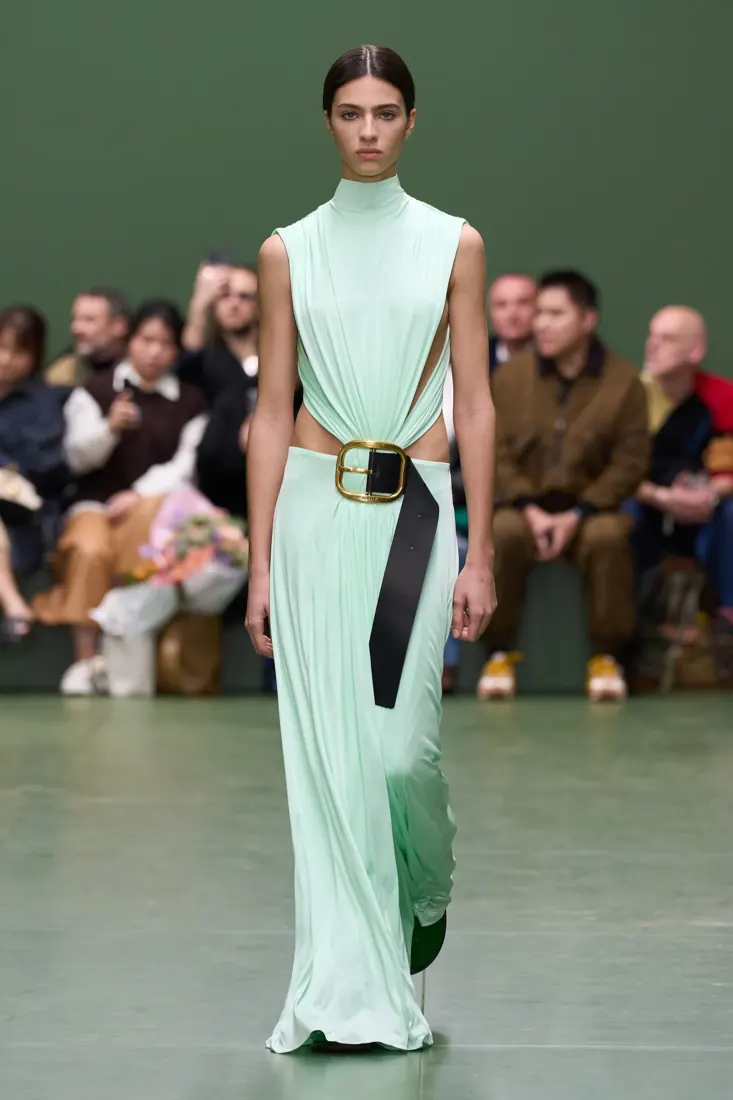
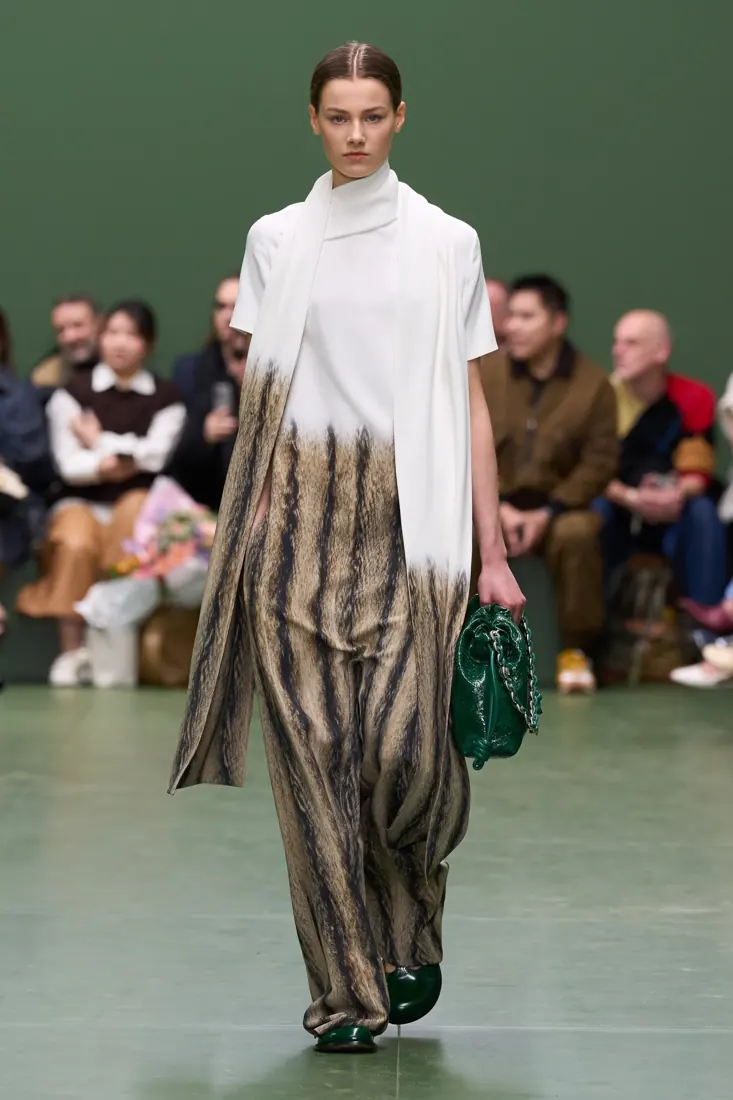
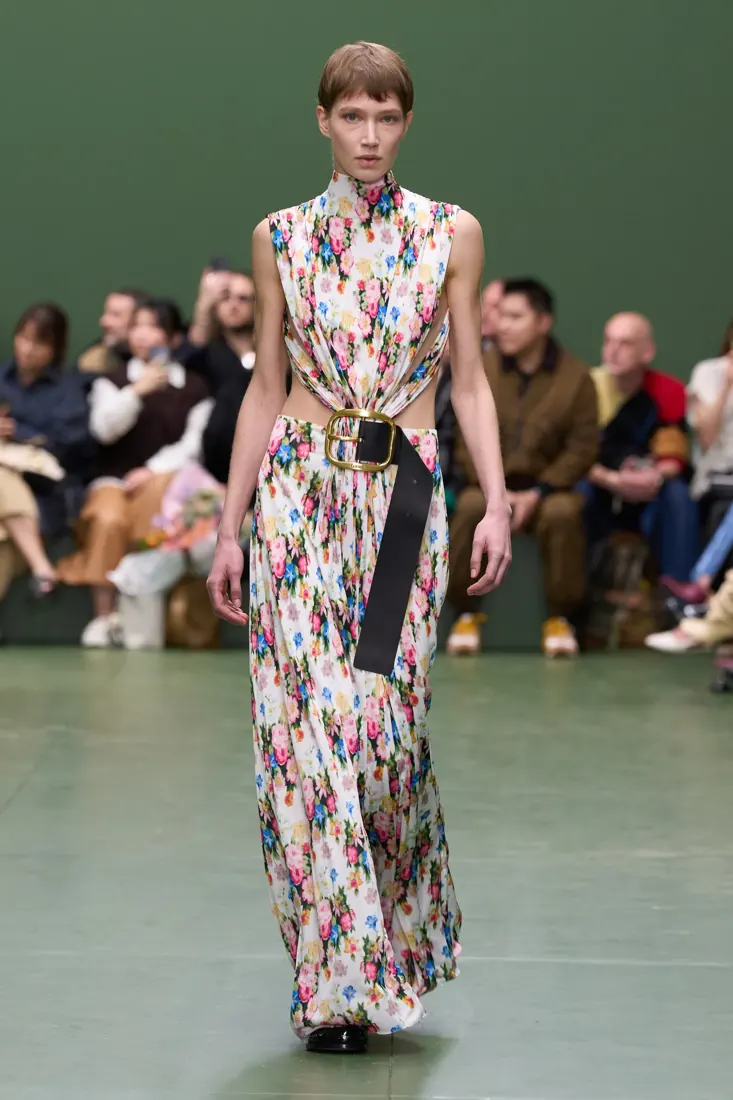
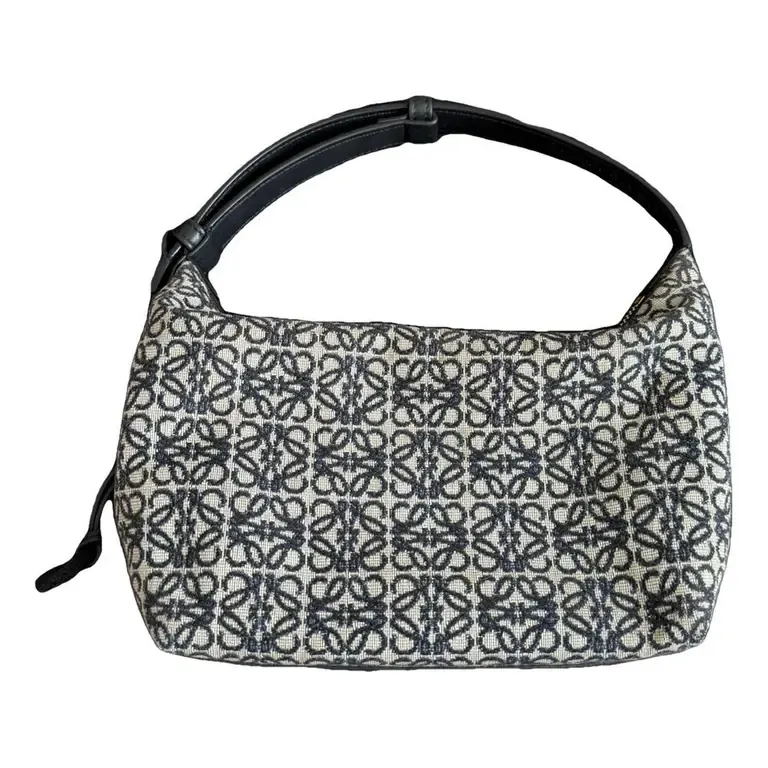
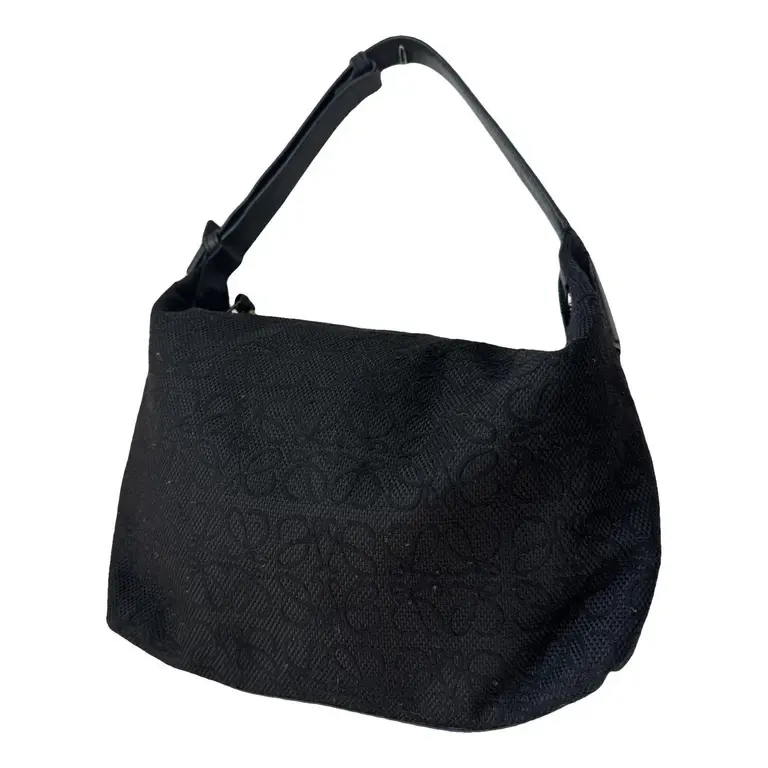
A selection of the house’s designs. Resale photographs illustrate individual examples; size, finish and condition vary.
Geometric leather panels create a bag that changes shape as it moves.
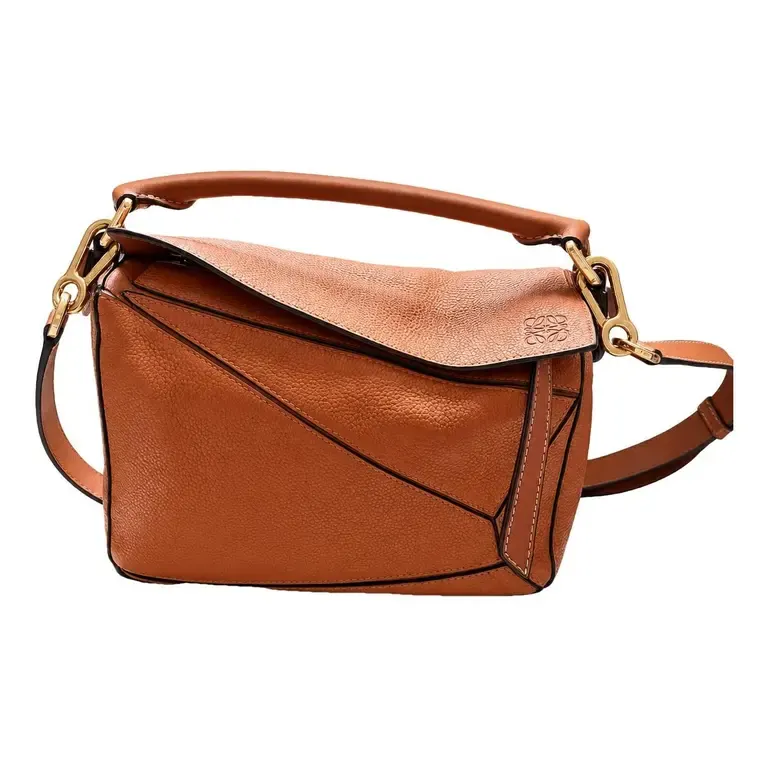
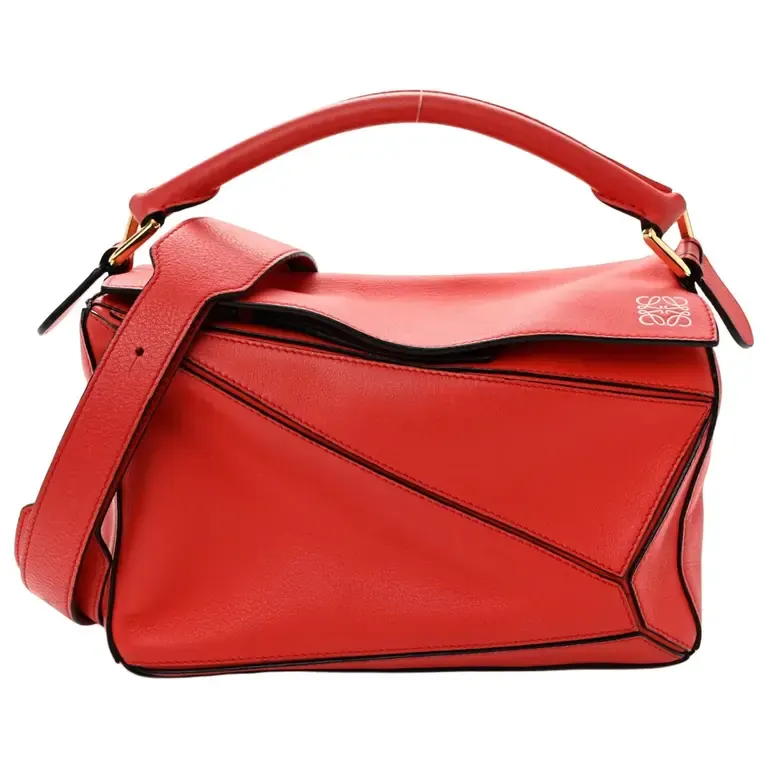
Folding sides allow the body to expand and change its carrying shape.
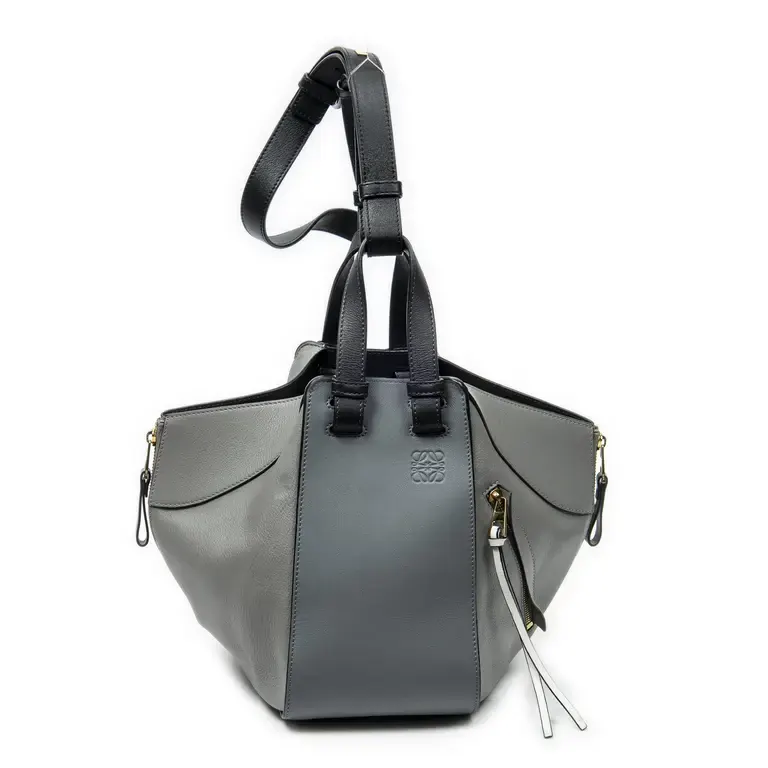
A rectangular zip-top bag rooted in the house’s leather-goods archive.
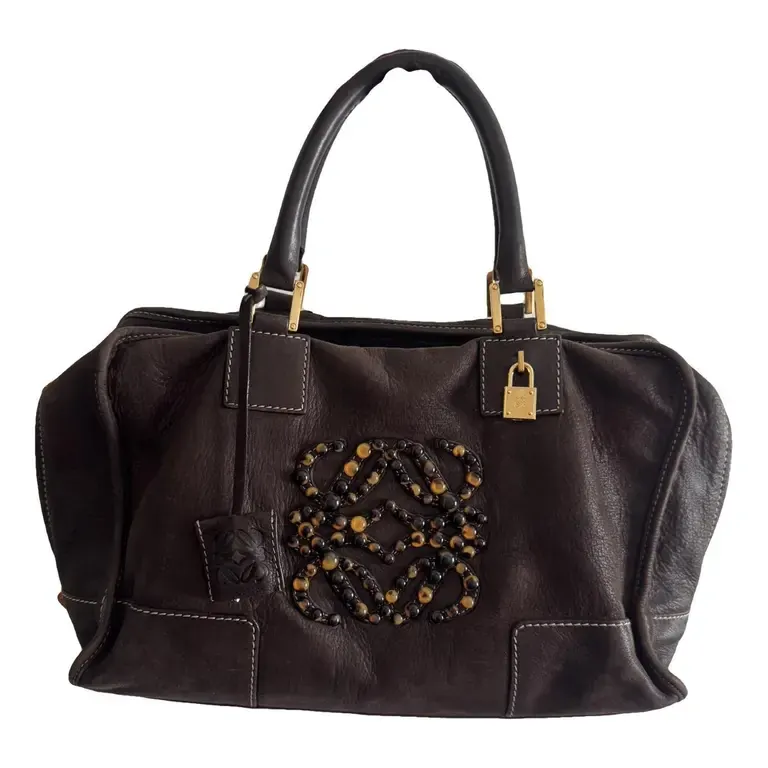
A softly gathered pouch with knotted drawstring ties.
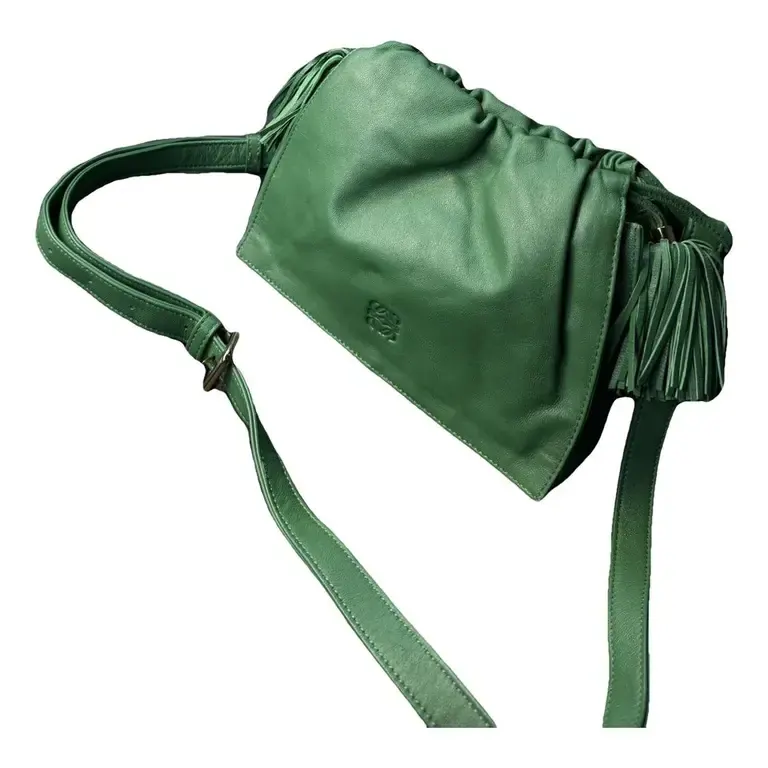
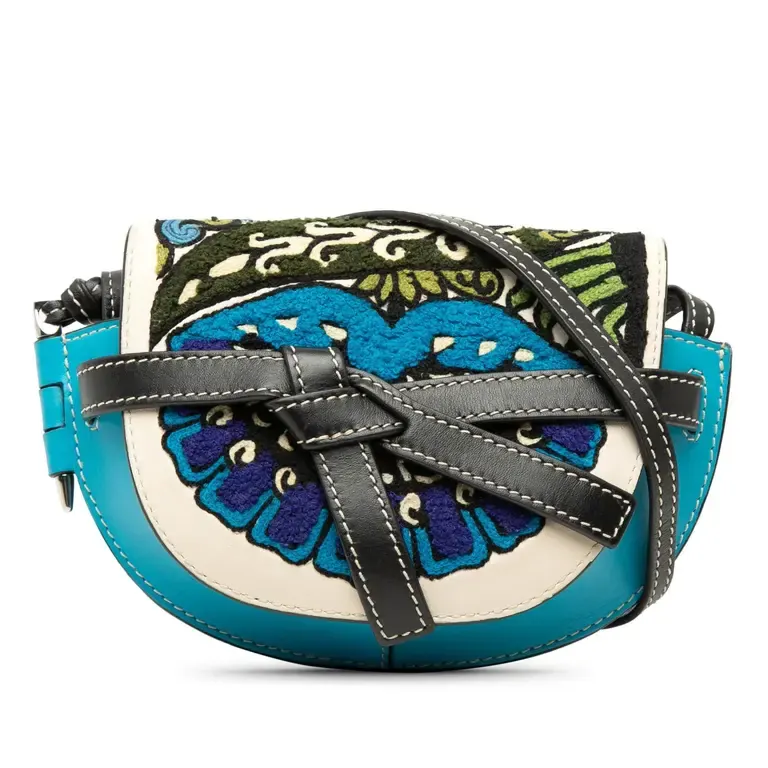
A saddle-shaped bag with a knotted leather strap across the front.
A compact, rounded shoulder bag with a short handle.