1948
Leather-covered pipes
Jean Cassegrain founded Longchamp after taking over his family’s Paris tobacco shop. Leather-covered pipes introduced the business to an international clientele.
The House & Its Designers
Paris · 1948
Lightness and utility, from leather-covered pipes to Le Pliage.
Longchamp’s beginnings were in small leather objects rather than couture. The family business gradually moved into travel goods and handbags, keeping ease of use central to the design.
9 photographs · Reviewed August 2026
Explore the history ↓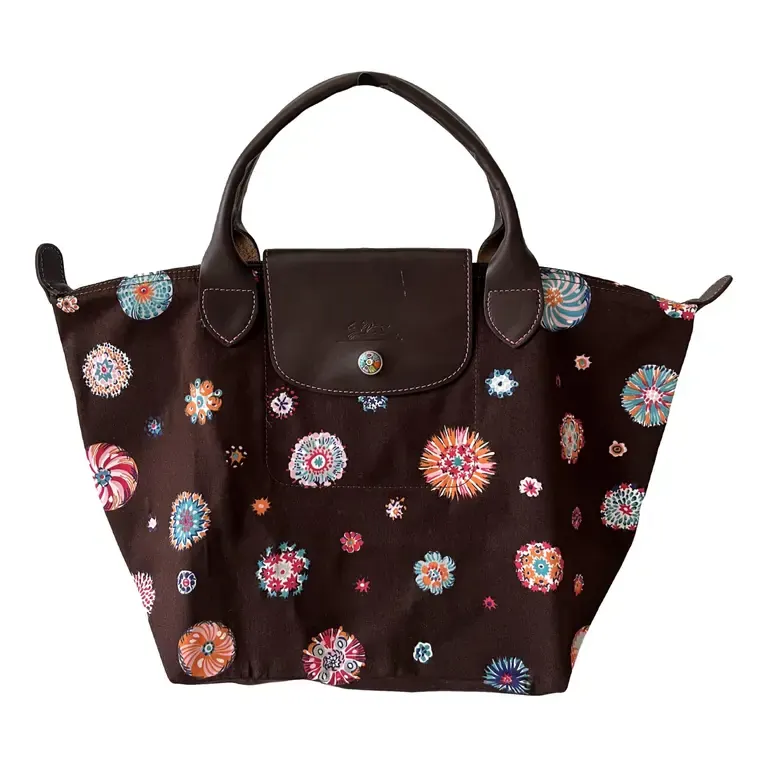
1948
Jean Cassegrain founded Longchamp after taking over his family’s Paris tobacco shop. Leather-covered pipes introduced the business to an international clientele.
Travel goods
Luggage and bags broadened the company’s work. Lighter construction and useful forms became important alongside its leather-working experience.
1993
Philippe Cassegrain developed a folding bag inspired by origami. Its lightweight body and leather handles created a practical design that could change colour, scale and material without losing its identity.
Selected creative chapters; dates distinguish appointments from runway debuts.
Founder
Established the leather-goods business in Paris.
Designer of Le Pliage
Applied an interest in travel and folding construction to the house’s best-known bag.
Artistic direction
Develops the wider fashion and accessories vocabulary of the family house.
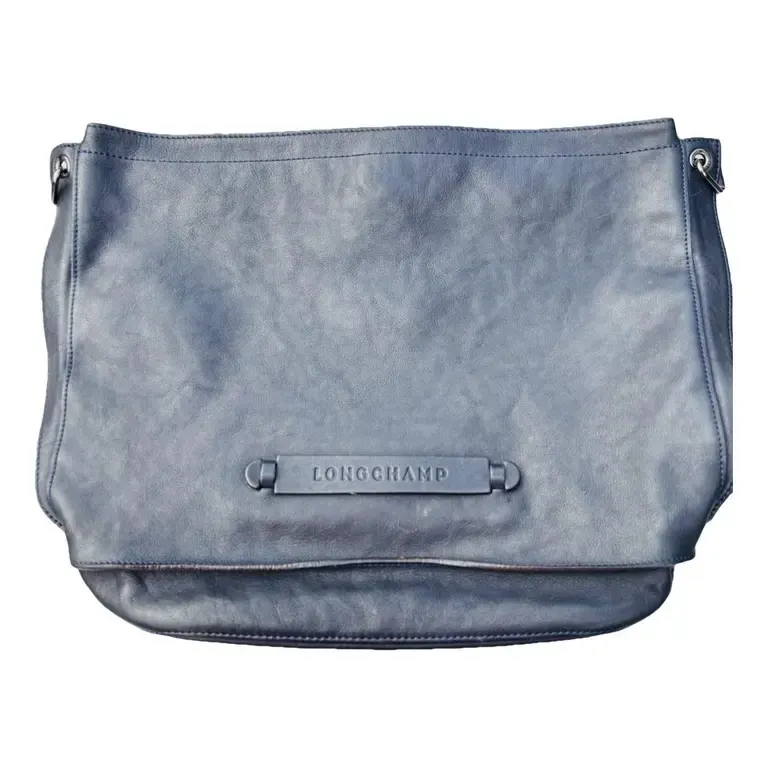
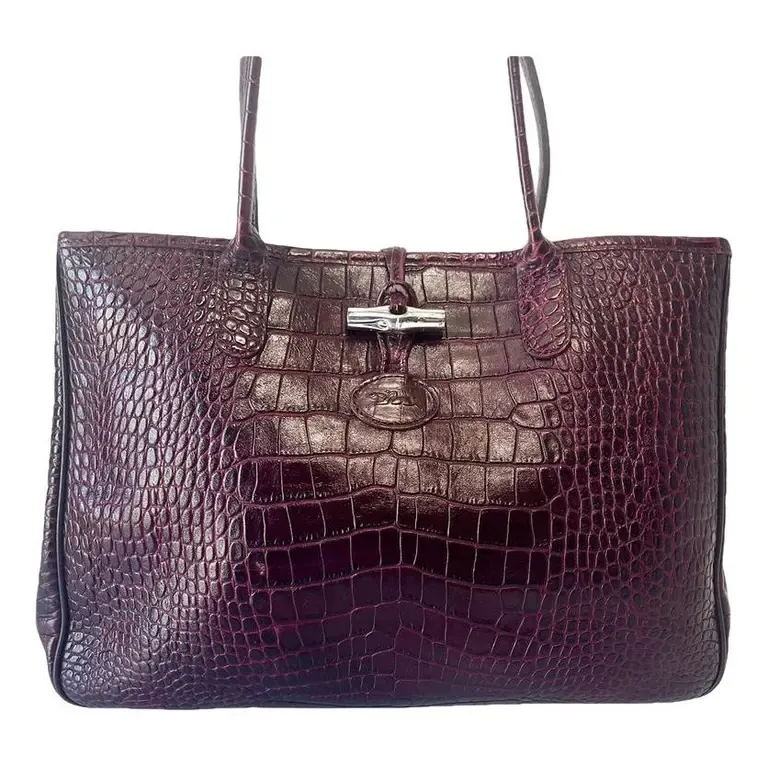
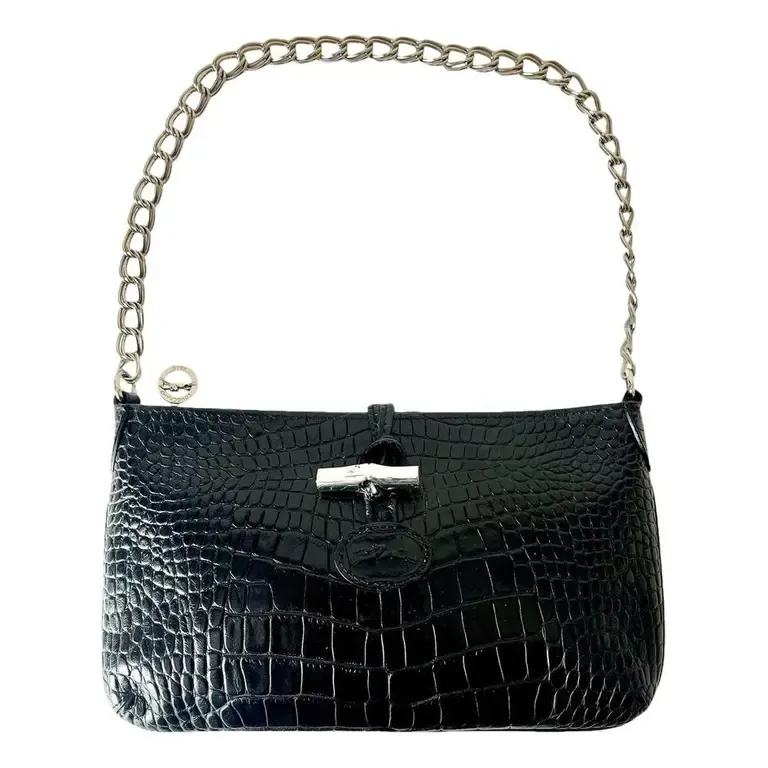
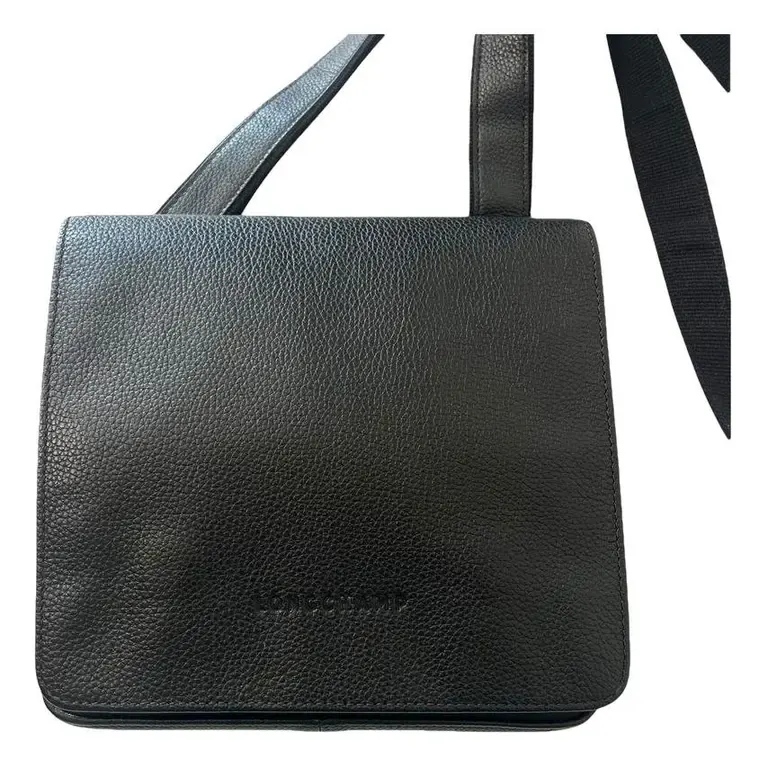
A selection of the house’s designs. Resale photographs illustrate individual examples; size, finish and condition vary.
A foldable tote with leather handles and a small snap-fastened flap.
A bamboo-shaped toggle forms the signature closure of this bag family.
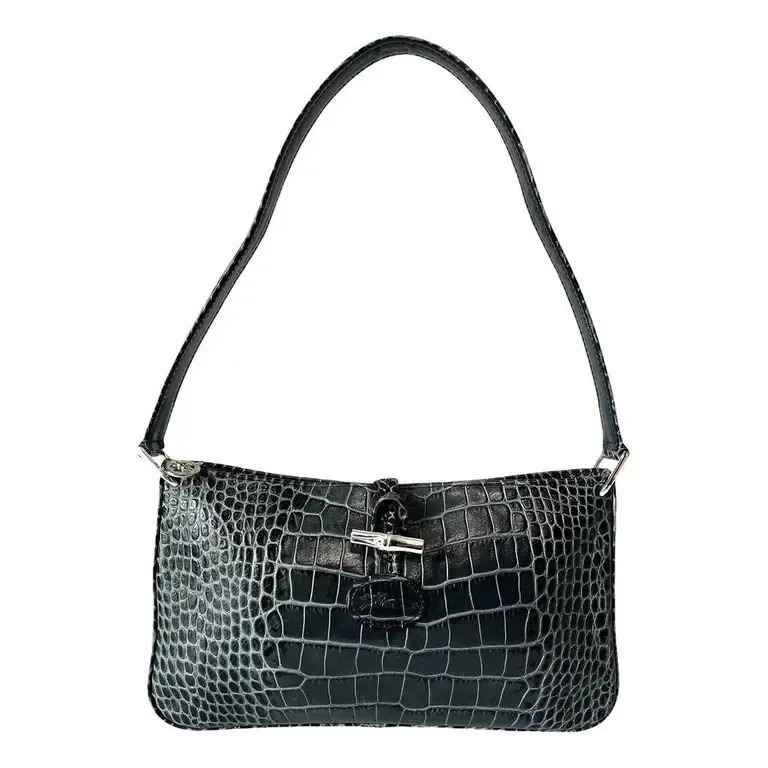
Padded leather gives this shoulder bag a soft, quilted surface.
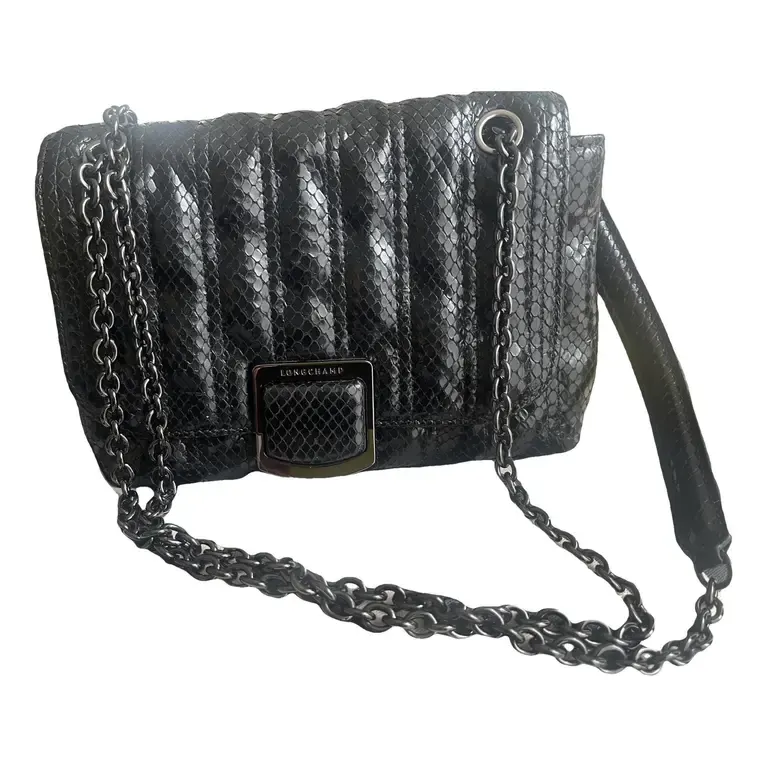
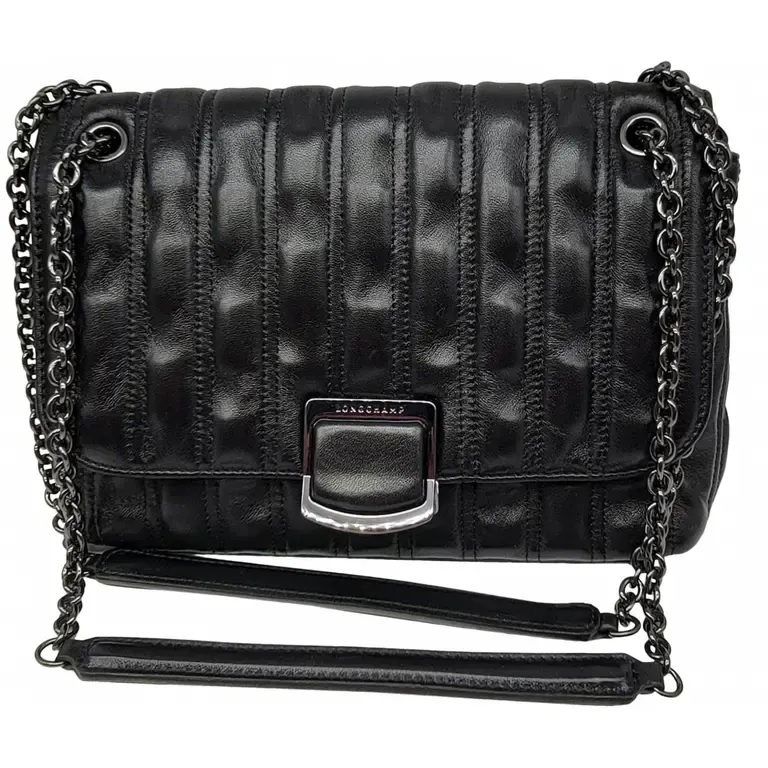
A longstanding leather line recognised for its fine grained texture.
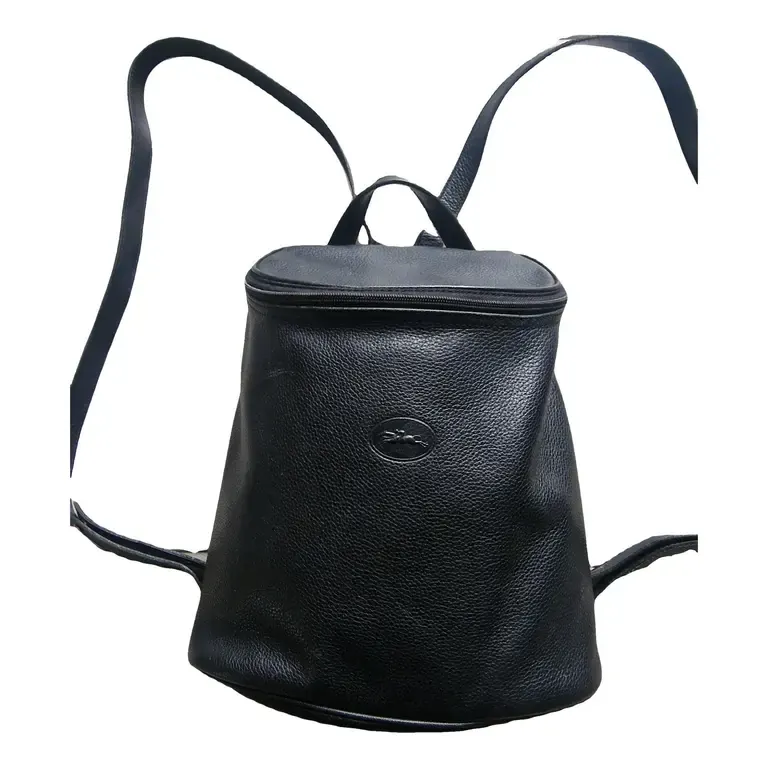
A leather day-bag family with geometric panel construction.