1988
An unconventional beginning
Founded in Paris, the house treated fashion as a field for experimentation. Reworked garments and visible making challenged the polished finish usually associated with luxury.
The House & Its Designers
Paris · 1988
Construction, anonymity and the familiar object reconsidered.
Martin Margiela’s house questioned how clothes were made and how a designer should be seen. Exposed construction, anonymous labels and unexpected materials became more important than a public personality.
6 photographs · Reviewed August 2026
Explore the history ↓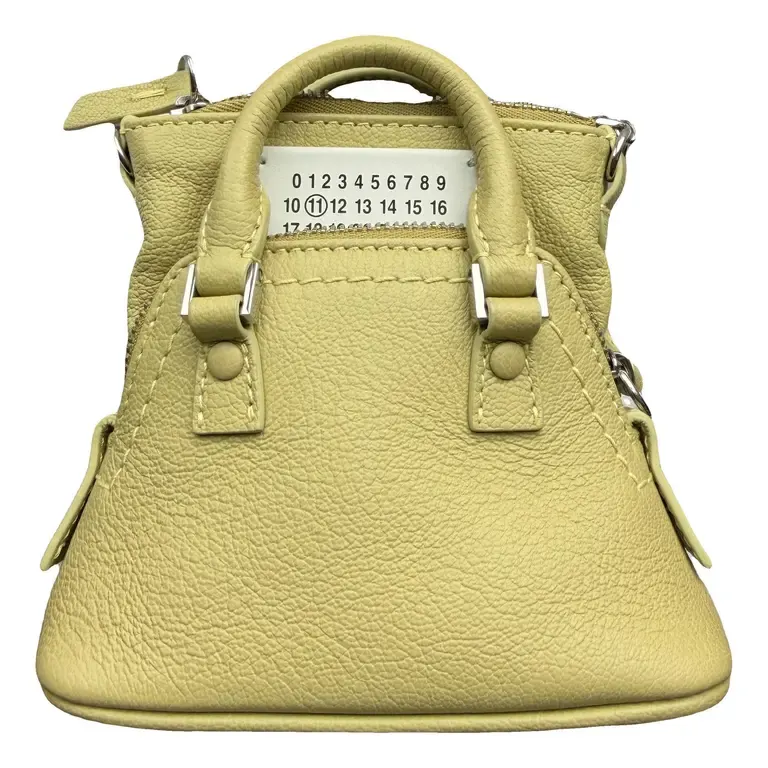
1988
Founded in Paris, the house treated fashion as a field for experimentation. Reworked garments and visible making challenged the polished finish usually associated with luxury.
The codes
Four white stitches and the numbered label became identifiers. The Tabi’s split toe and the later 5AC bag similarly made an unusual structural detail the point of recognition.
2014–2025
John Galliano brought theatrical storytelling to the Artisanal collections. Glenn Martens was appointed creative director in January 2025, following Galliano’s departure.
Selected creative chapters; dates distinguish appointments from runway debuts.
Founder
Made anonymity, reuse and construction central to the house’s identity.
2014–2024
Extended the house’s experimental practice through expressive couture.
Appointed 2025
Brings an interest in transformation and unconventional construction.
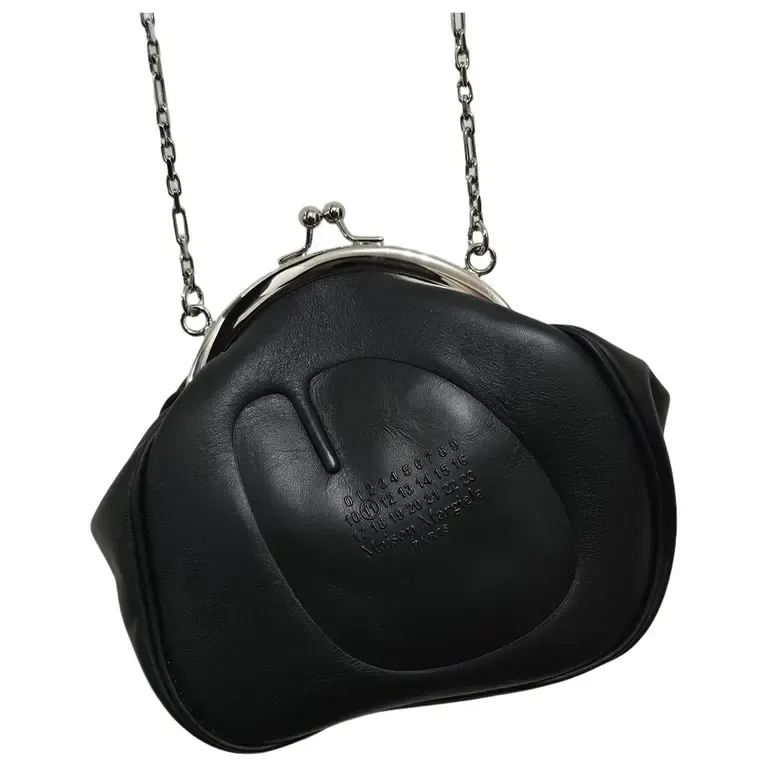
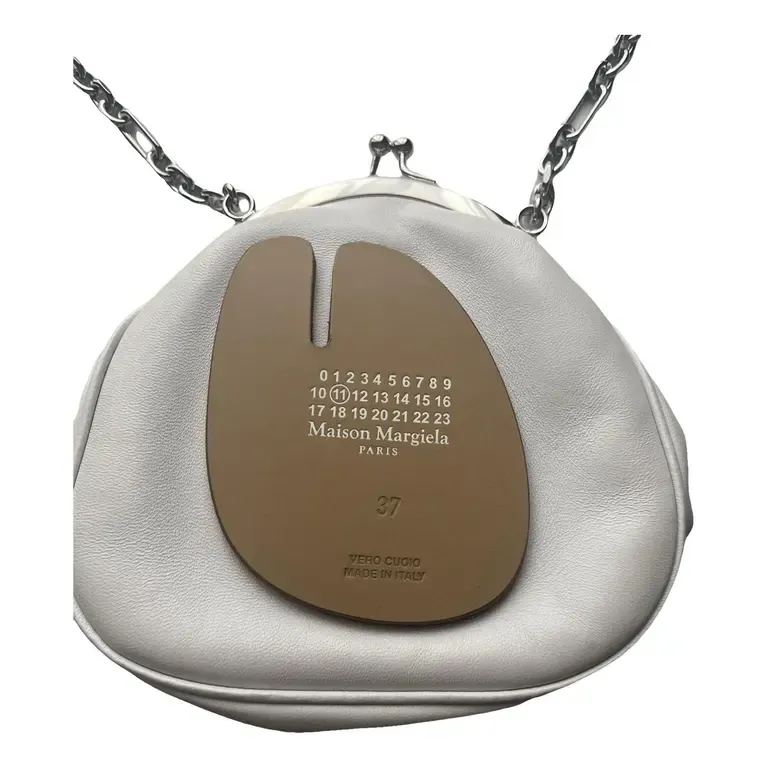
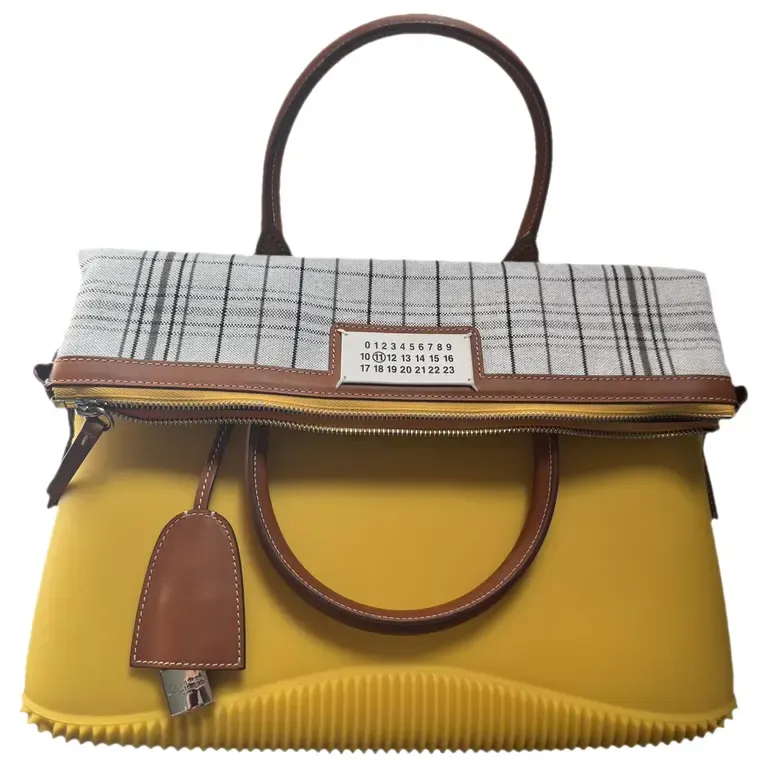
A selection of the house’s designs. Resale photographs illustrate individual examples; size, finish and condition vary.
An exposed lining and numbered label interrupt a conventional top-handle silhouette.
Pillowy quilting creates the soft, inflated surface of this bag family.
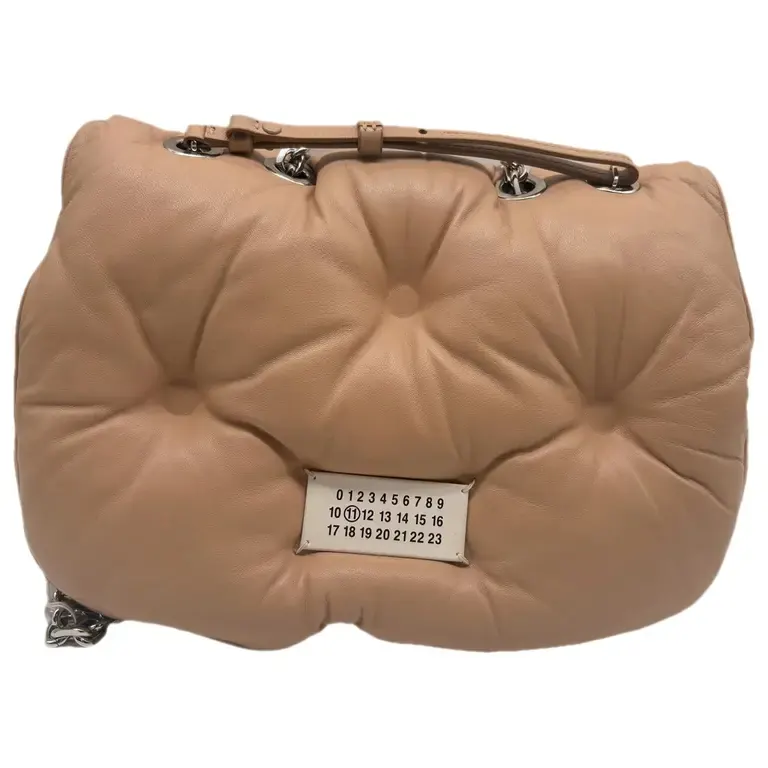
An angular, envelope-like bag with a sharply folded profile.
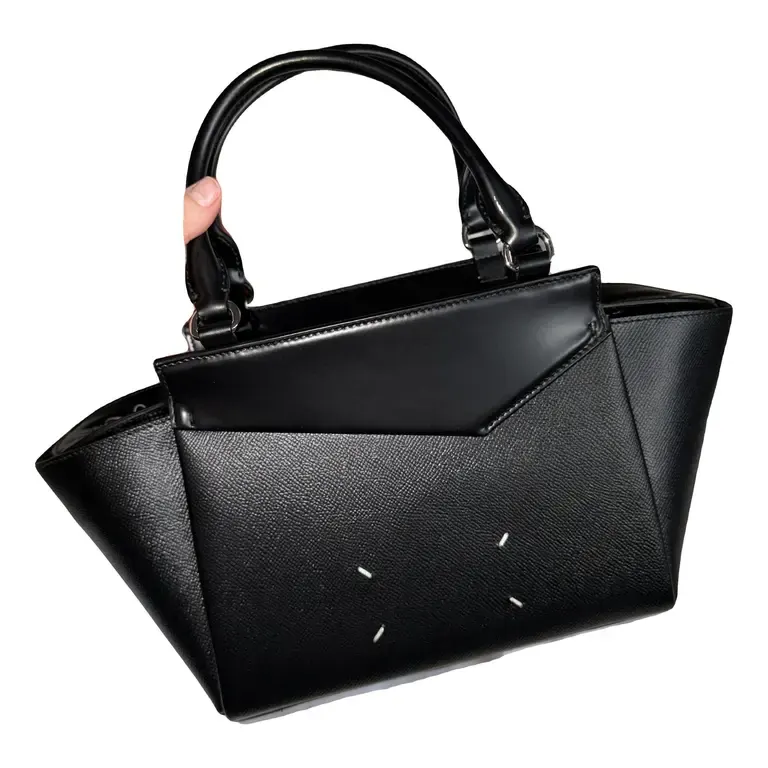
An accessory design that extends the house’s Tabi vocabulary beyond footwear.