A Heritage Essay · No. 14

The RowThe House & Its Founders

Two former child actors who launched a quiet-luxury house in 2006 with a single white T-shirt, and who, twenty years later, sit on top of the most thoroughly anti-marketing brand in modern fashion — and one of the most valuable independently-owned ones.

Scroll
An Introduction

The youngest brand in this library — and, in 2026, plausibly the most-imitated.

Mary-Kate and Ashley Olsen were born on the thirteenth of June, 1986, two minutes apart, in Sherman Oaks, California. At nine months old they were cast — alternating in the same role — as Michelle Tanner in Full House. By the late 1990s the Olsen-twin business — direct-to-video movies, books, a fashion line at Walmart, and a magazine — was generating, by some industry estimates, more than a billion dollars in retail sales a year, mostly to pre-teen girls. By the early 2000s, after they enrolled at NYU (separately), the twins had quietly begun something different: a small-batch experiment in re-engineering the simplest possible piece of women's clothing — a plain white T-shirt — at the most-careful possible standards.

In 2006, they launched the experiment as a small brand called The Row, named for London's Savile Row. The first collection was seven T-shirts. The shirts were made in the United States from Pima cotton, in a slim-cut menswear-derived pattern, at a retail price of two hundred and ten dollars apiece. The collection was sold through a single small showroom in New York. There was no advertising. The twins gave no press interviews. The brand did not put their names anywhere on the product. Within five years, they had expanded into trousers, blazers, coats, and a small leather-goods line. Within ten years, they had been awarded the CFDA's Womenswear Designer of the Year award twice. Within eighteen, they had built one of the most-valuable independently-owned luxury brands in the world.

What follows is the story in two chapters: the house and the founders. The Row has no creative-director succession to chronicle — Mary-Kate and Ashley have, across the brand's twenty years, been its only designers. The story is, instead, about how a brand can be built deliberately against every prevailing convention of the modern luxury industry — no advertising, no influencer programme, no celebrity dressing, no runway theatre, no public-figure designer-personalities — and grow, anyway, into one of the most-watched houses of its decade.

— Chapter One —

The House

Seven T-shirts, a deliberately-anti-marketing operation, and the twenty-year build to a billion-dollar valuation.

First Collection · 2006
No. 01
T
The original 2006 collection — seven plain Pima-cotton T-shirts at $210, sold from a small New York showroom with no advertising and no press.
To be replaced · The Row archive · 2006
2006

Seven T-shirts.

The genesis of The Row, by every account the Olsens have given on the rare occasion they have spoken about it, was an attempt to solve a private wardrobe problem. Both twins, in their early twenties at NYU, wanted a single well-made white T-shirt in a cut that suited their petite frames. They could not find one they considered correct at any price point. They began, informally, working with a New York pattern-maker to engineer their own. The pattern-maker, Mary Helene Pombo, had spent decades in the Garment District producing samples for high-end ready-to-wear houses. The Olsens commissioned a sequence of progressively-refined samples — by their account, more than seventy iterations across eighteen months — before settling on the final cut.

The seven shirts that launched the brand in 2006 were sold from a small showroom on Bond Street in lower Manhattan, by appointment only, to a handful of specialty boutiques (Barneys, Bergdorf Goodman, Browns in London, Joyce in Hong Kong). The launch was, deliberately, almost imperceptible. There was no advertising. The twins did not allow themselves to be photographed wearing the product. The product itself carried no brand label on the outside — only a small interior label printed with the words The Row, the brand's only public-facing identifier. The shirts sold quietly. Within a year, the twins had added a second iteration (a long-sleeve version), then a tank, then a pair of trousers.

What the Olsens had stumbled into, in retrospect, was the structural niche that would, across the next decade, define the entire quiet-luxury cultural moment. The Bottega Veneta–intrecciato thesis of 1980 — that a luxury brand could refuse to put its name on the outside of the product — and the Goyard-chevron thesis of 1892 — that a brand could refuse to advertise — were, by 2010, becoming central to a younger generation of wealthy women's-wardrobe consumption. The Row arrived at exactly the moment that thesis was ready to scale.

Bond Street showroom · 2006 · Pima cotton · seven shirts · $210

Expansion · 2010
No. 02
RTW
By 2010, The Row had expanded from T-shirts to a full ready-to-wear collection — coats, blazers, trousers, knits — at price points two to four times the industry average.
To be replaced · The Row press · 2010
2010

Coats and CFDA.

By 2010, the brand's ready-to-wear range had expanded substantially. Cashmere knitwear (priced at $1,800 for a basic crew-neck sweater, more than double the equivalent at Loro Piana or Hermès Petit H). Wool tailored coats (priced at $4,500 to $6,500). Slim-cut trousers in twill, wool, and silk. The product range was, by the standards of the moment, deliberately expensive — and remained, at every price point, deliberately un-branded. The interior tags were the only identifiers.

The CFDA — the Council of Fashion Designers of America — awarded the brand its Womenswear Designer of the Year prize in 2012. The twins accepted the award in person, gave a brief two-minute thank-you speech, and refused to be interviewed afterwards. The brand won the same prize again in 2015 and a third time in 2018, becoming the only brand in the CFDA's history to win the Womenswear award three times in seven years. The trade press, by then, was openly puzzled at the Olsens' continued refusal to participate in the industry's normal cycle of designer interviews, runway-front-row appearances, magazine covers, and red-carpet dressing. The Olsens, by every account, were, simply, not interested.

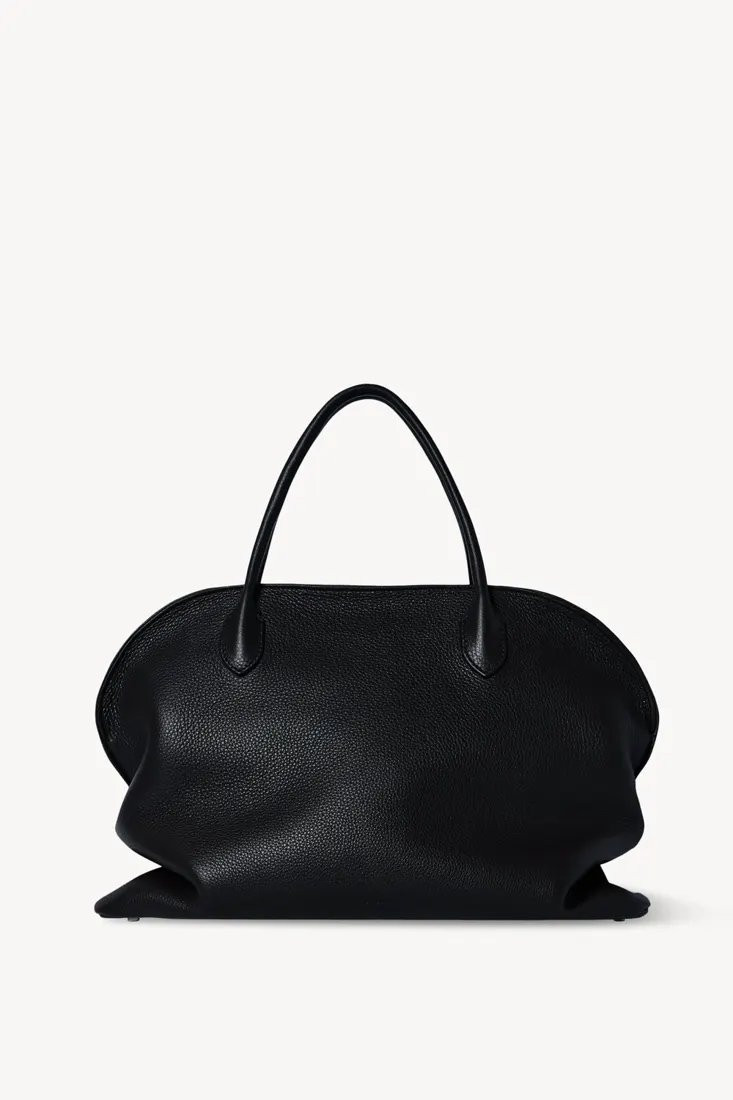
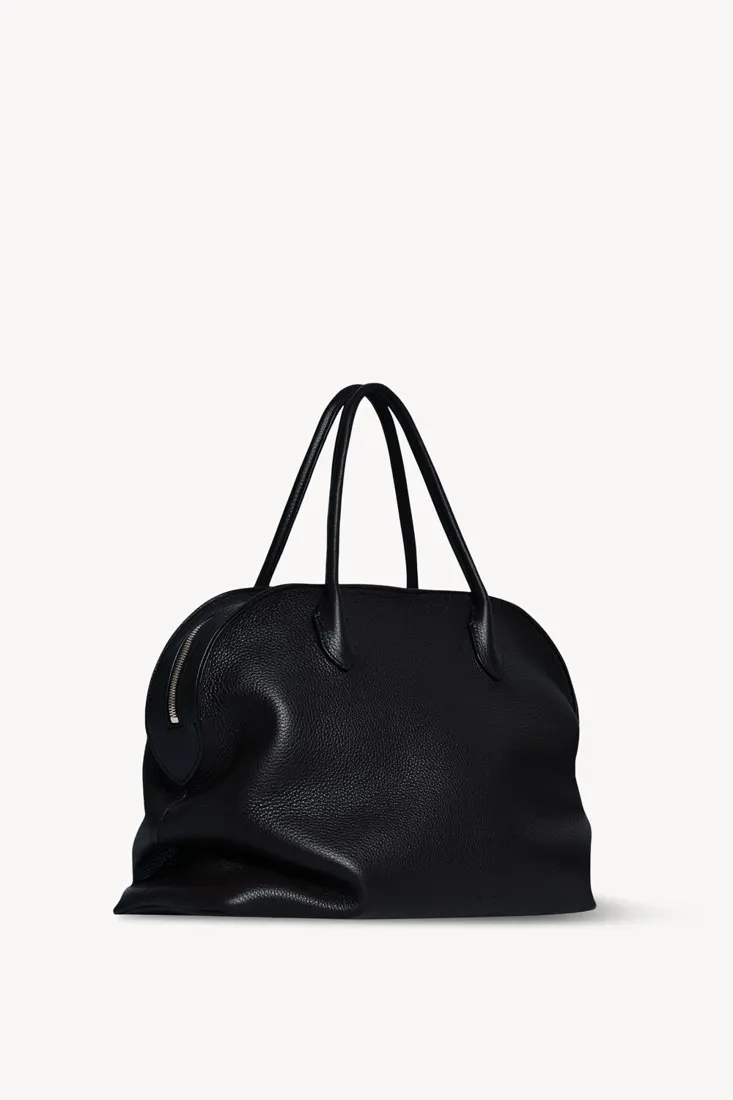
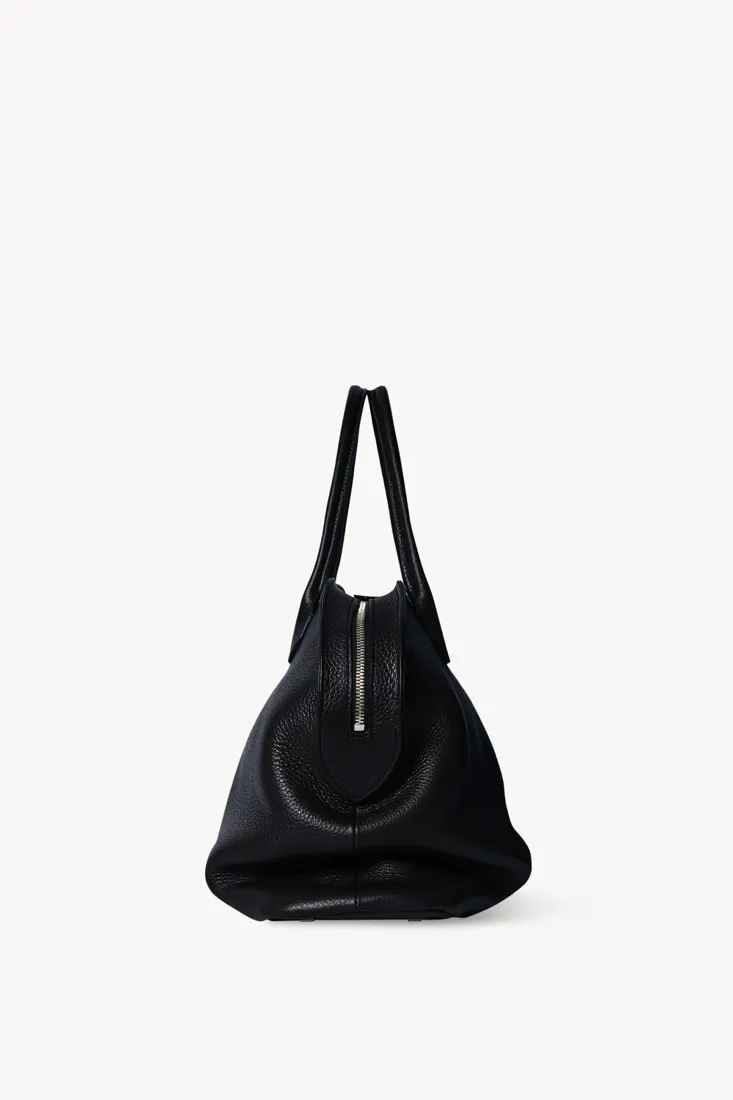
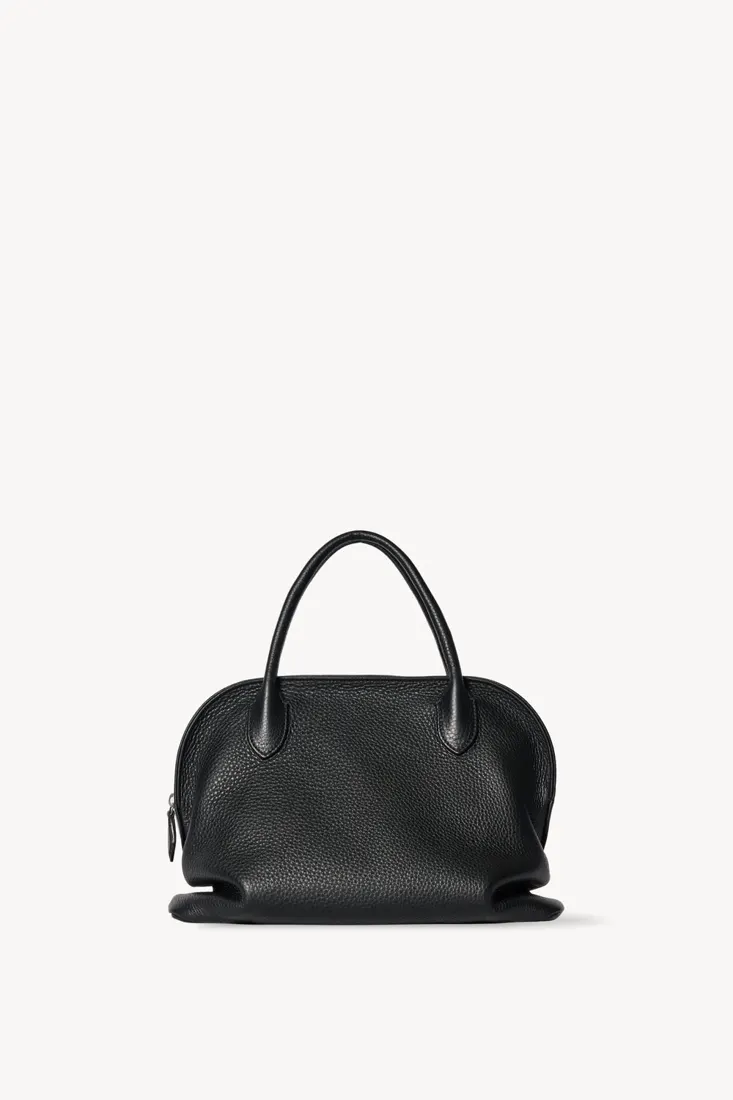
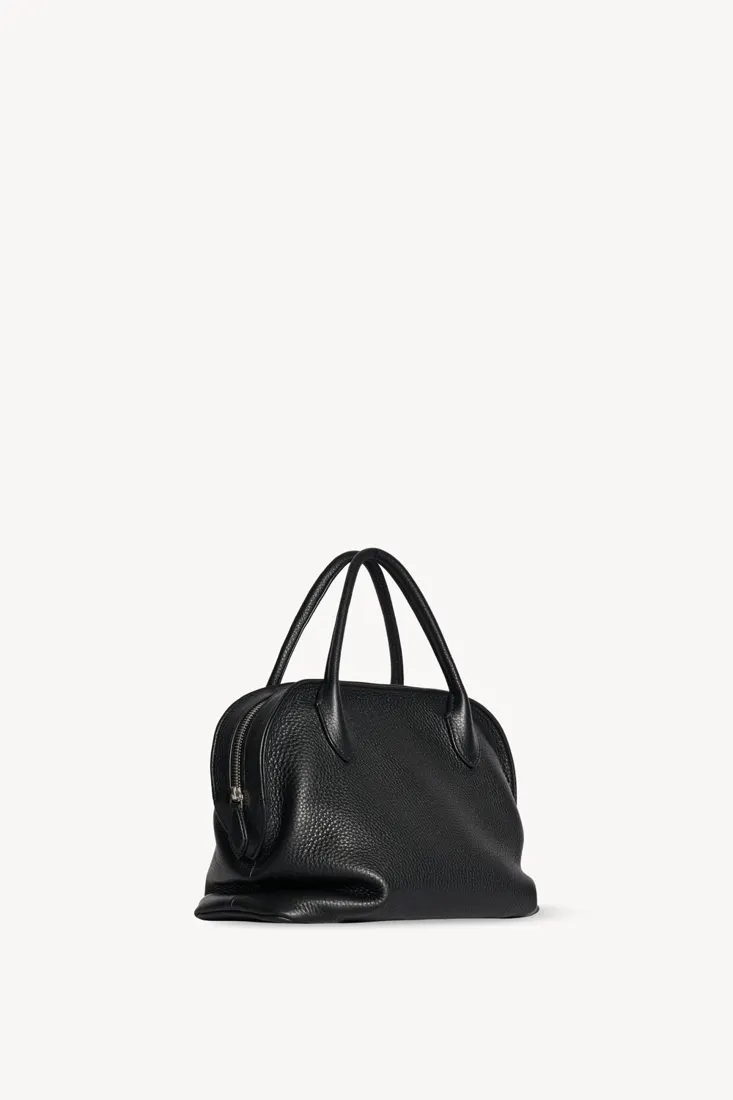
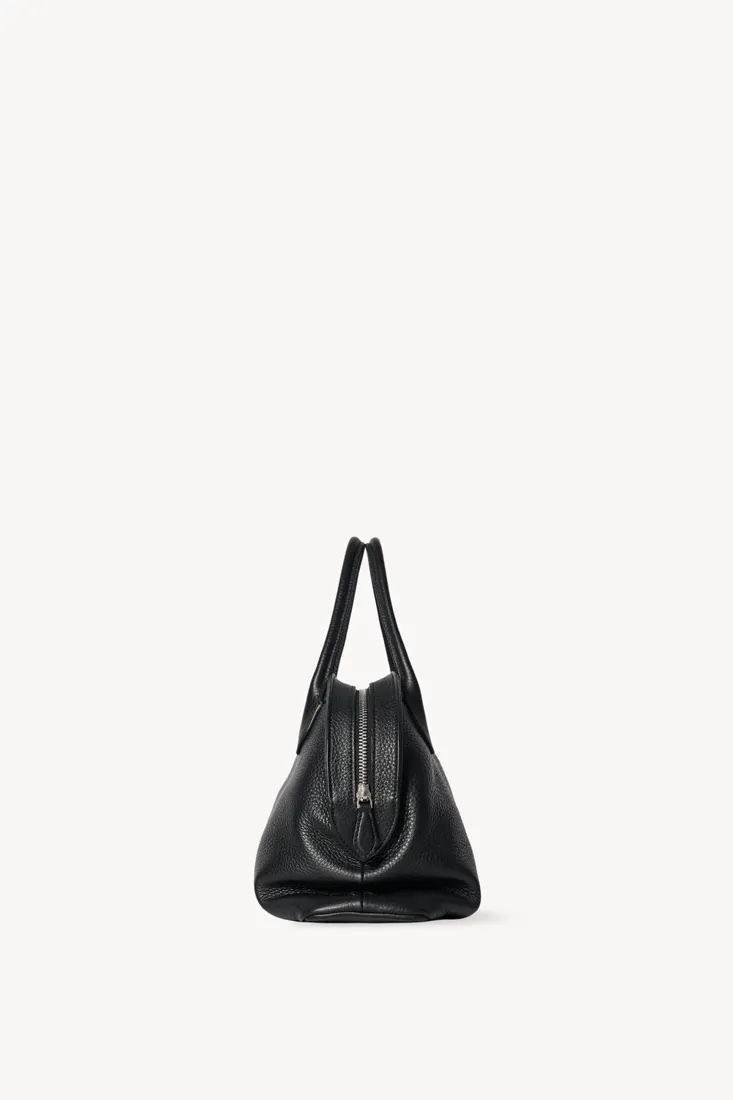
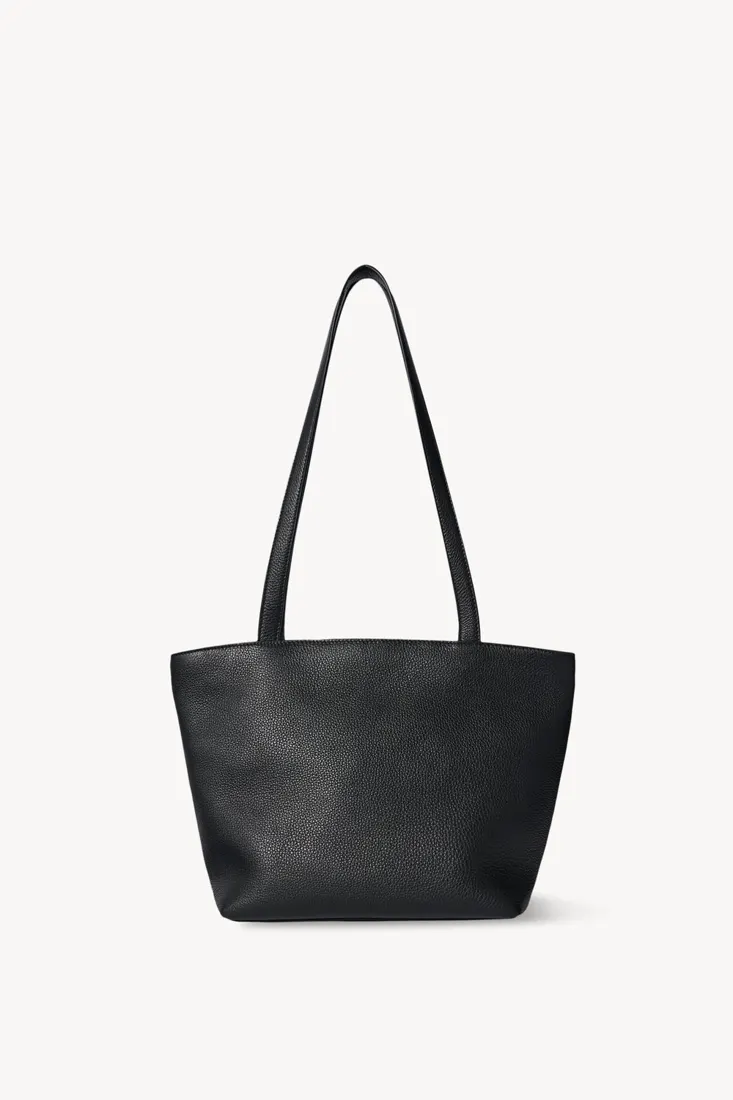
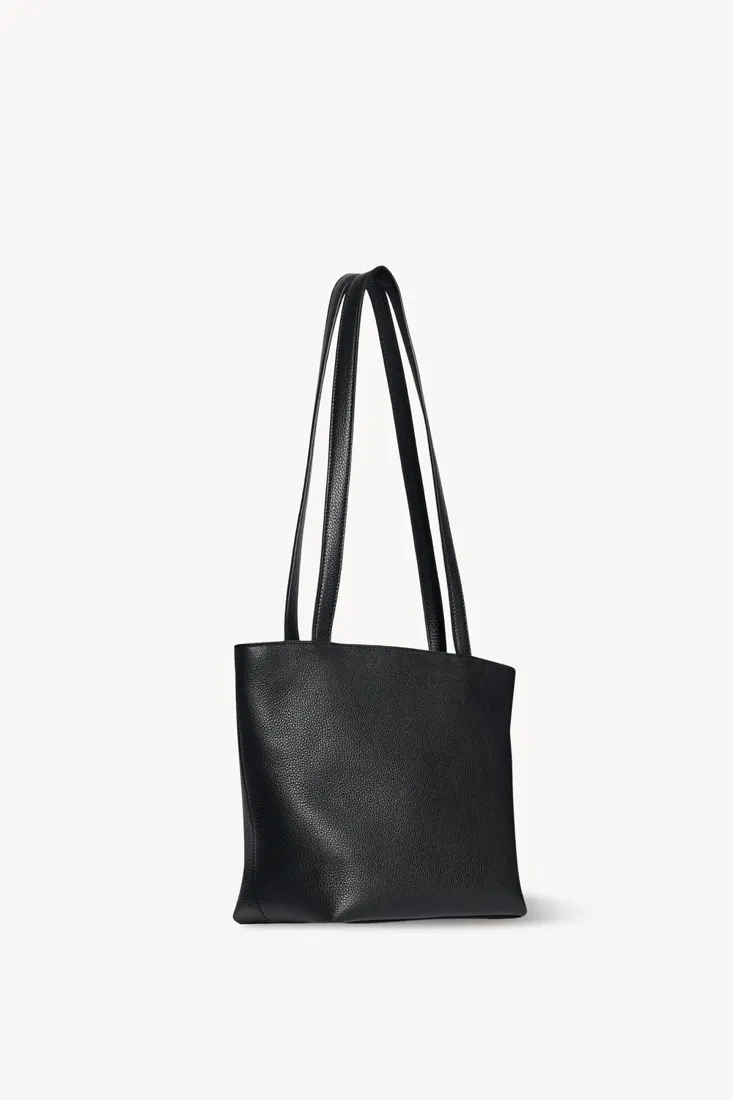
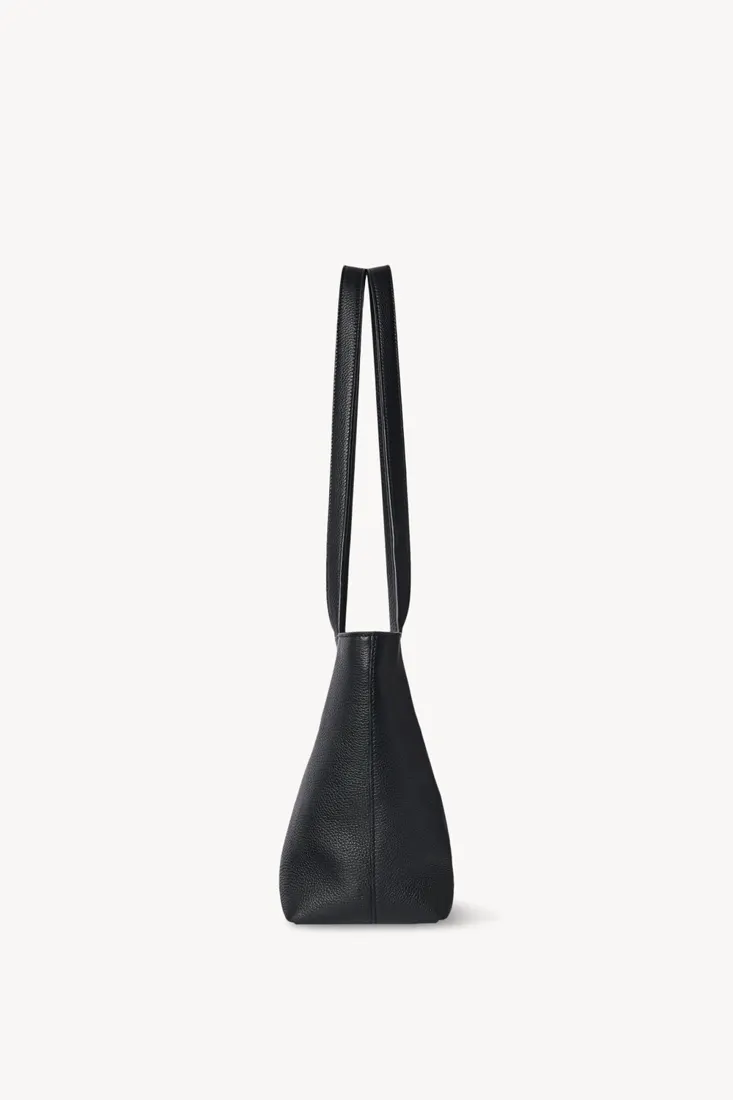
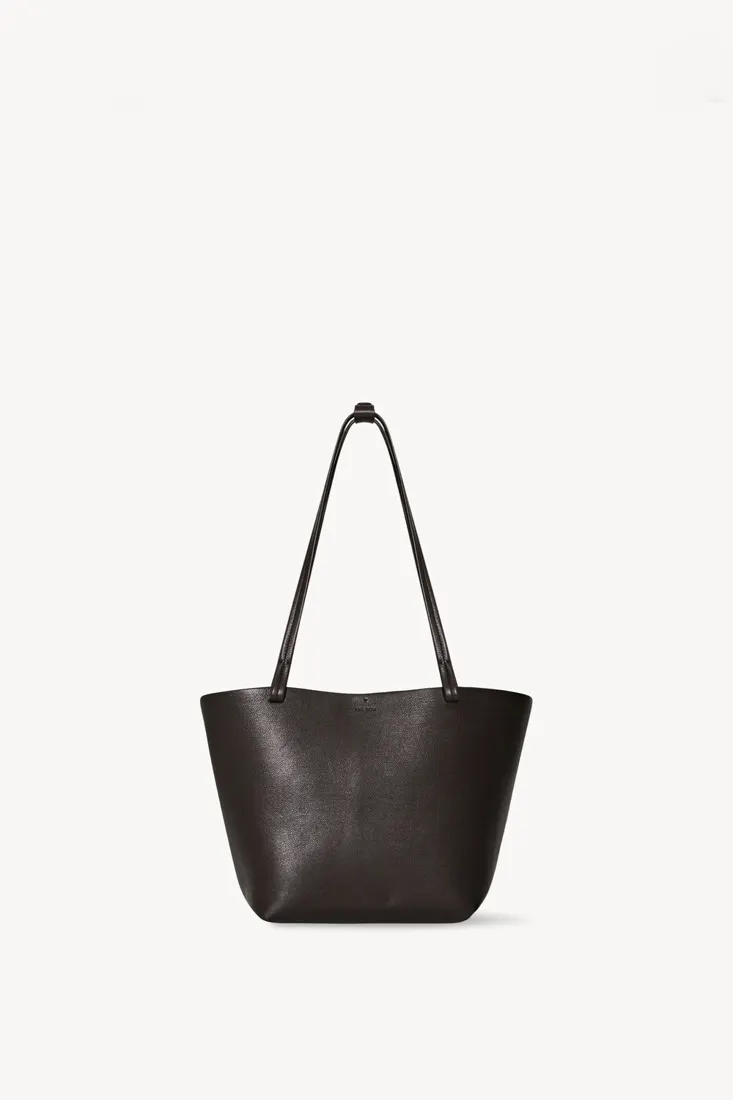
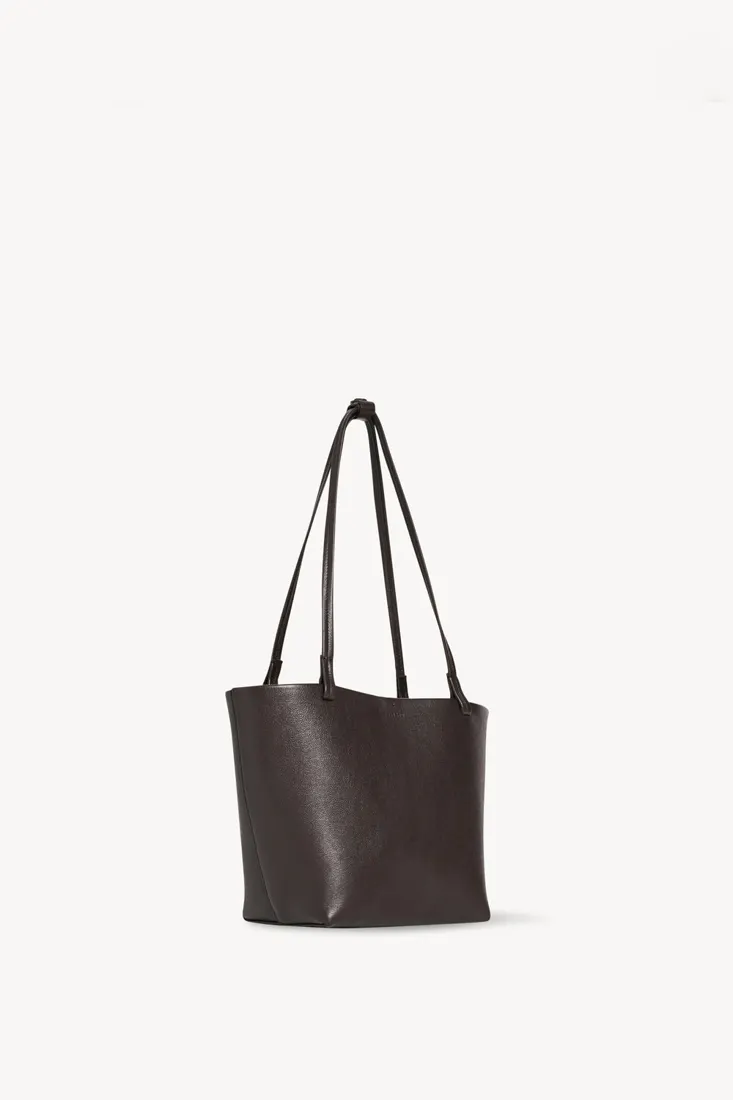
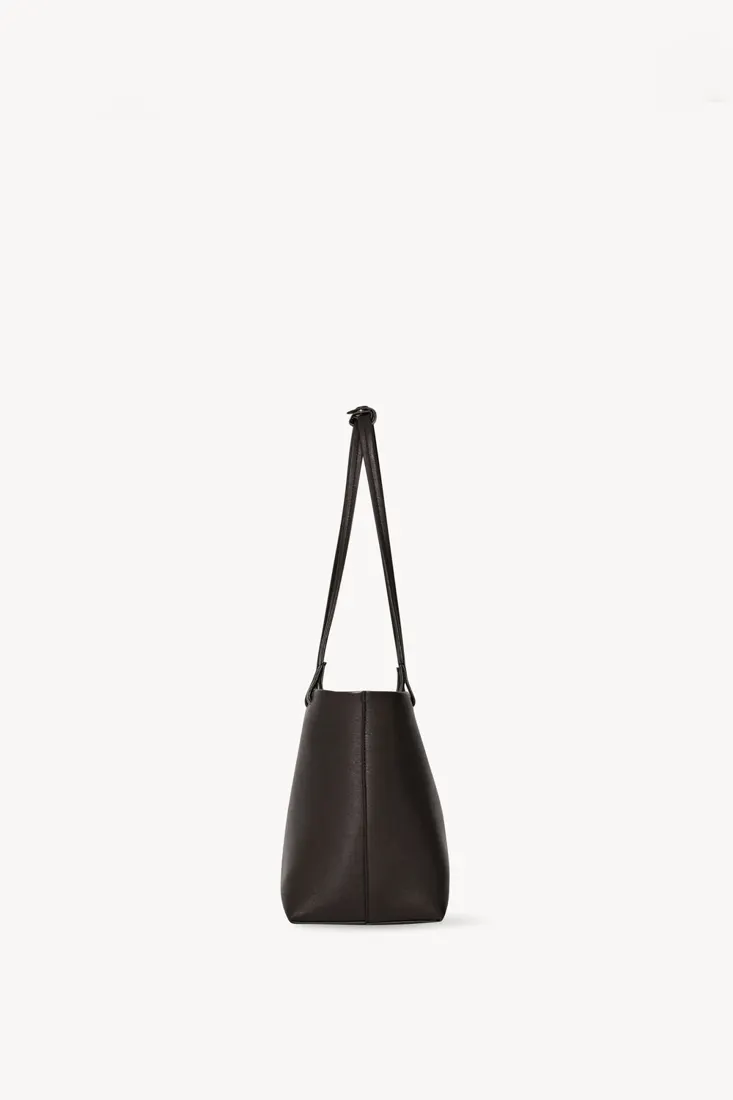
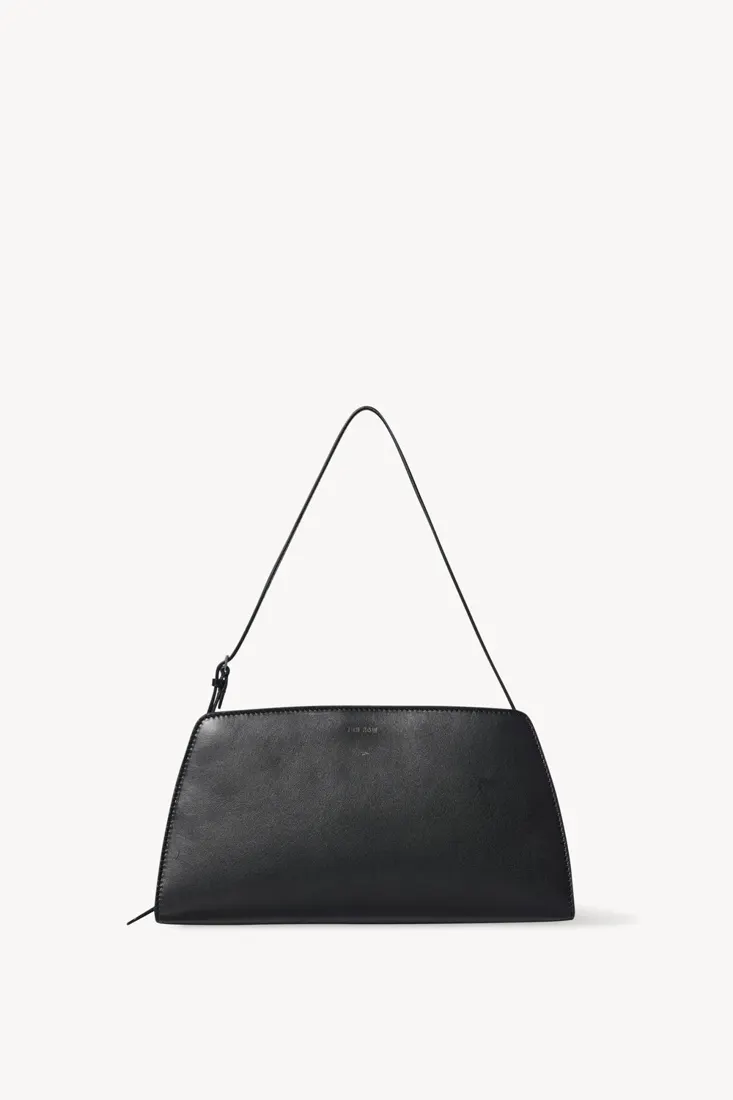
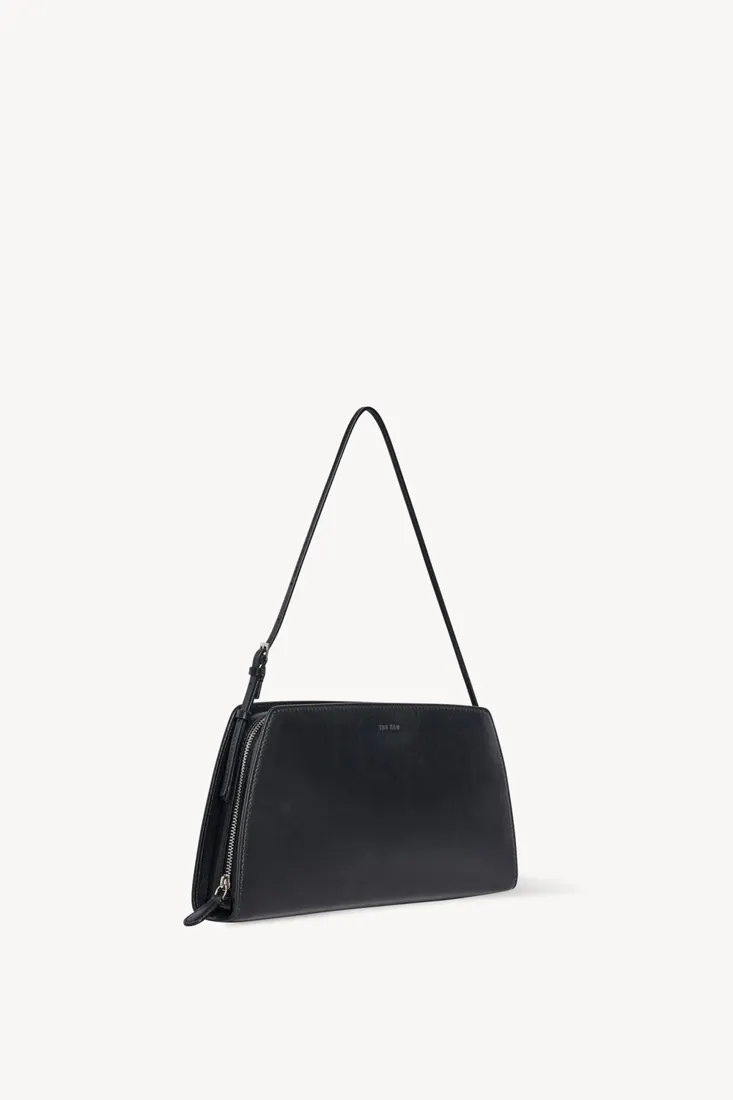
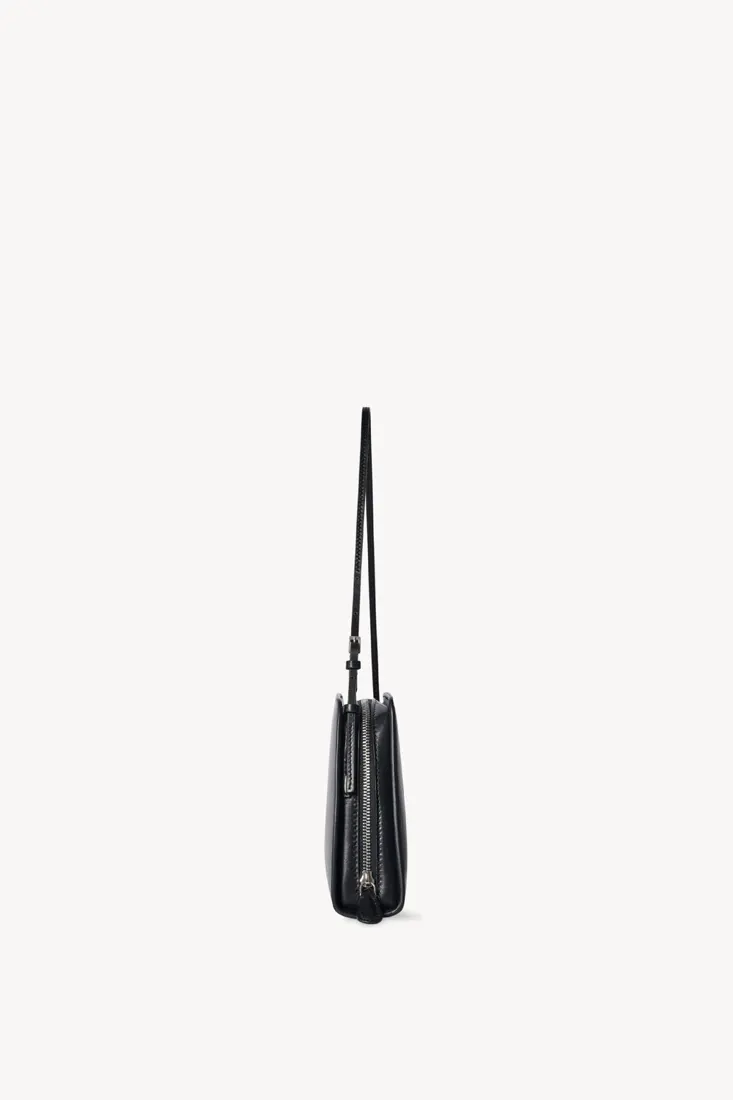
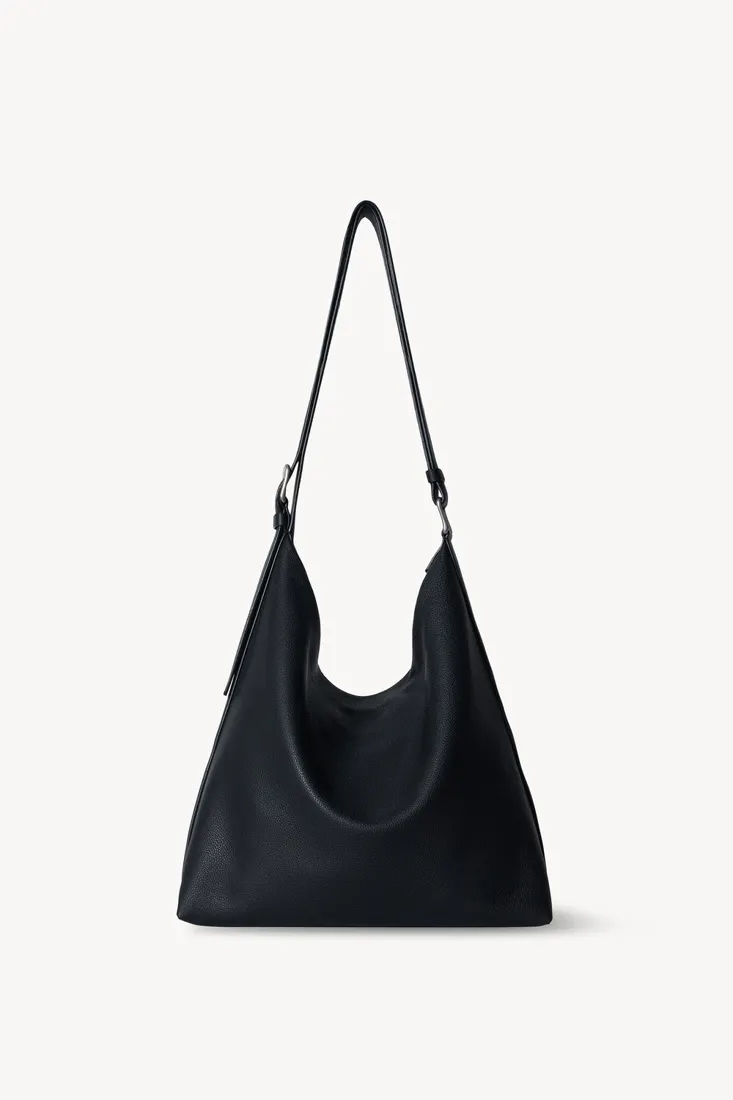
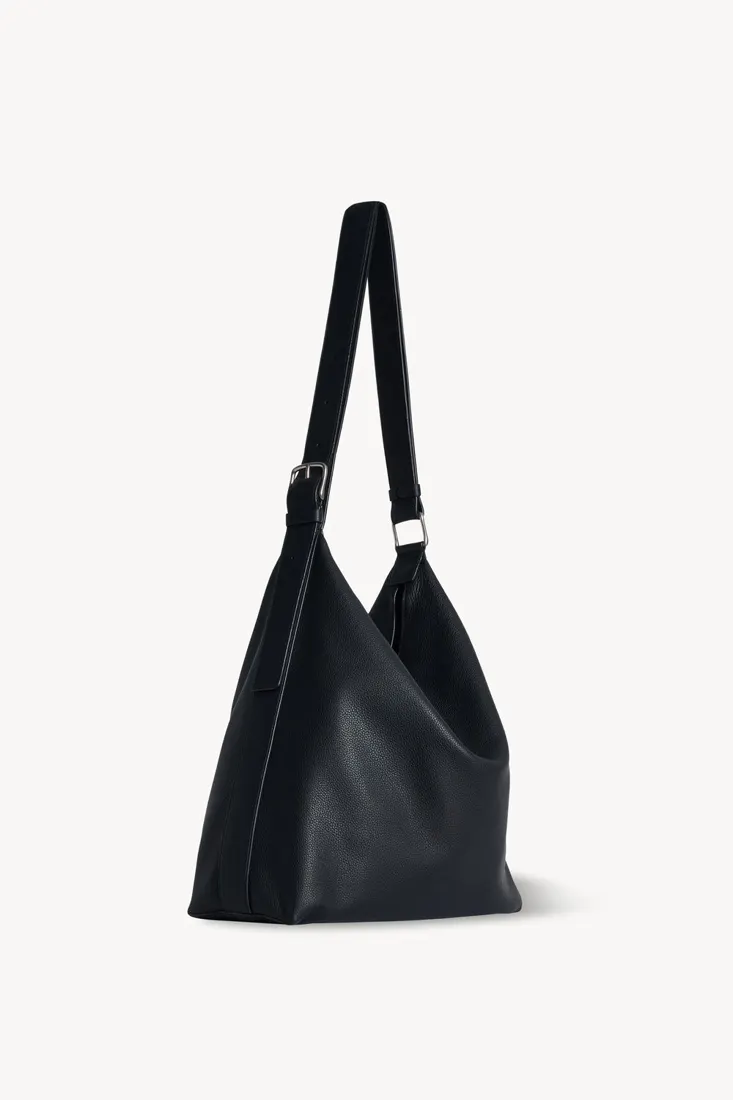
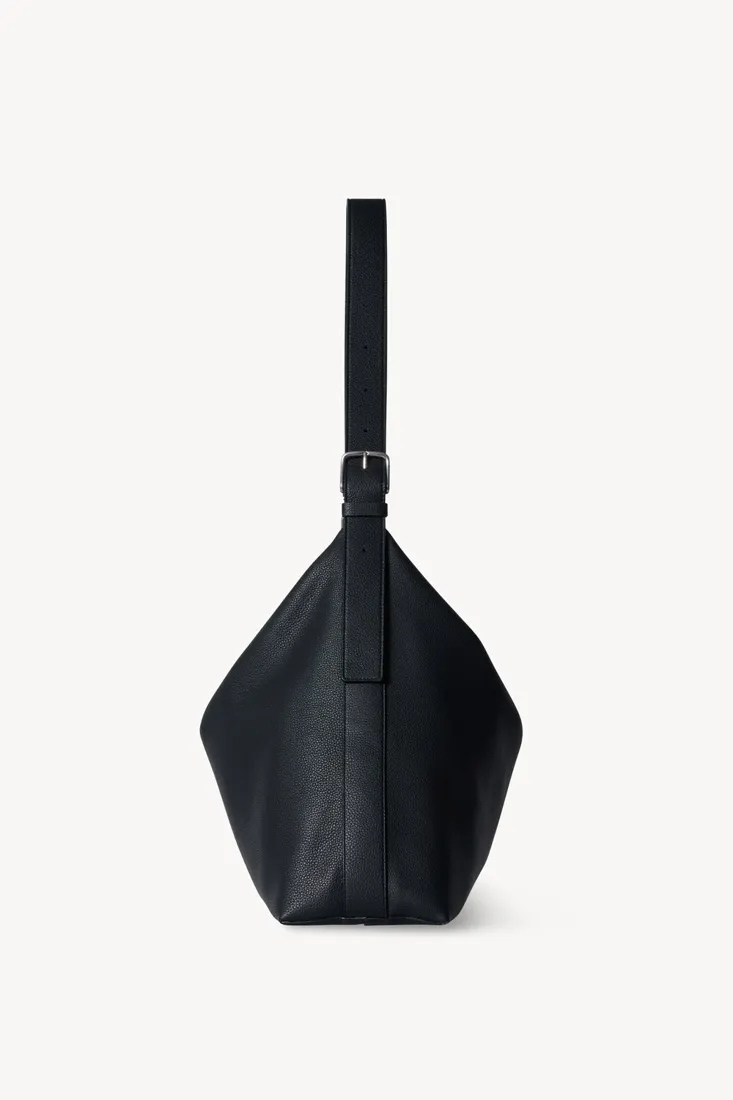
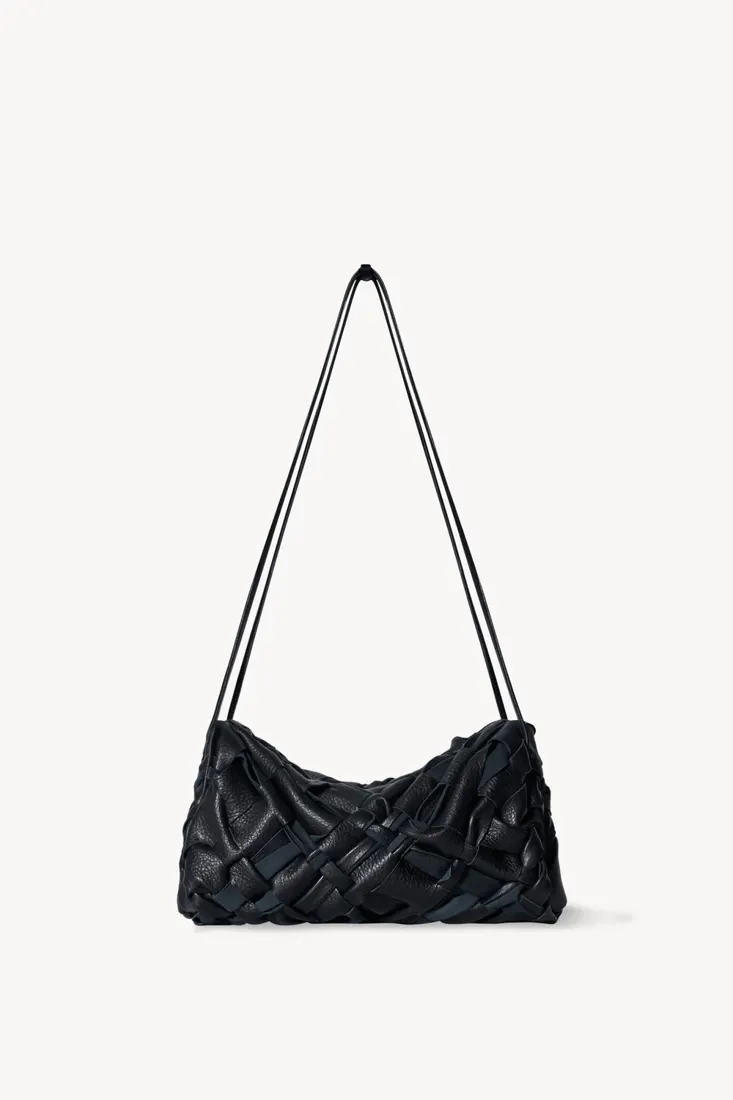
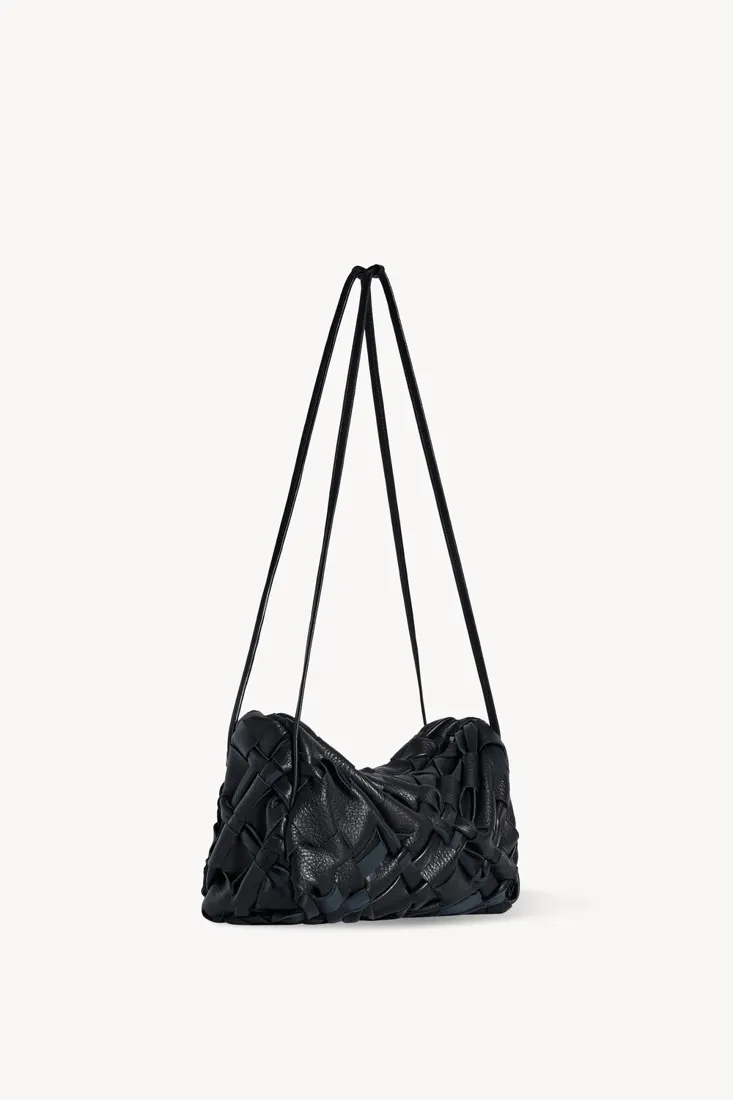
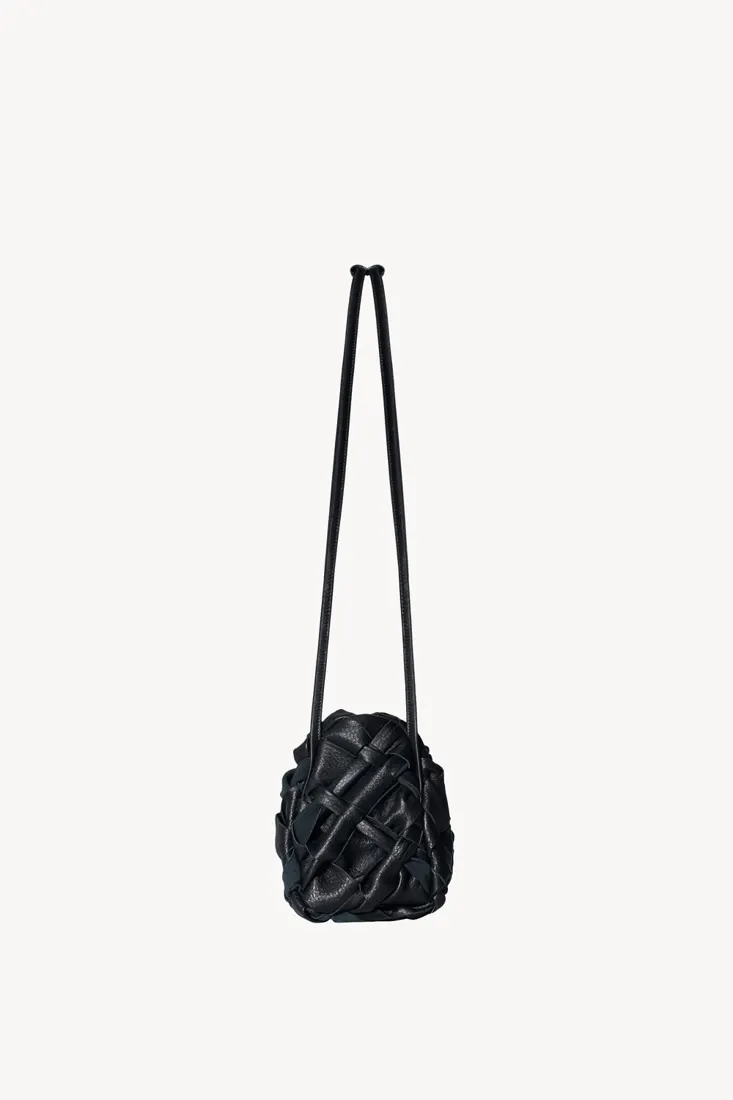
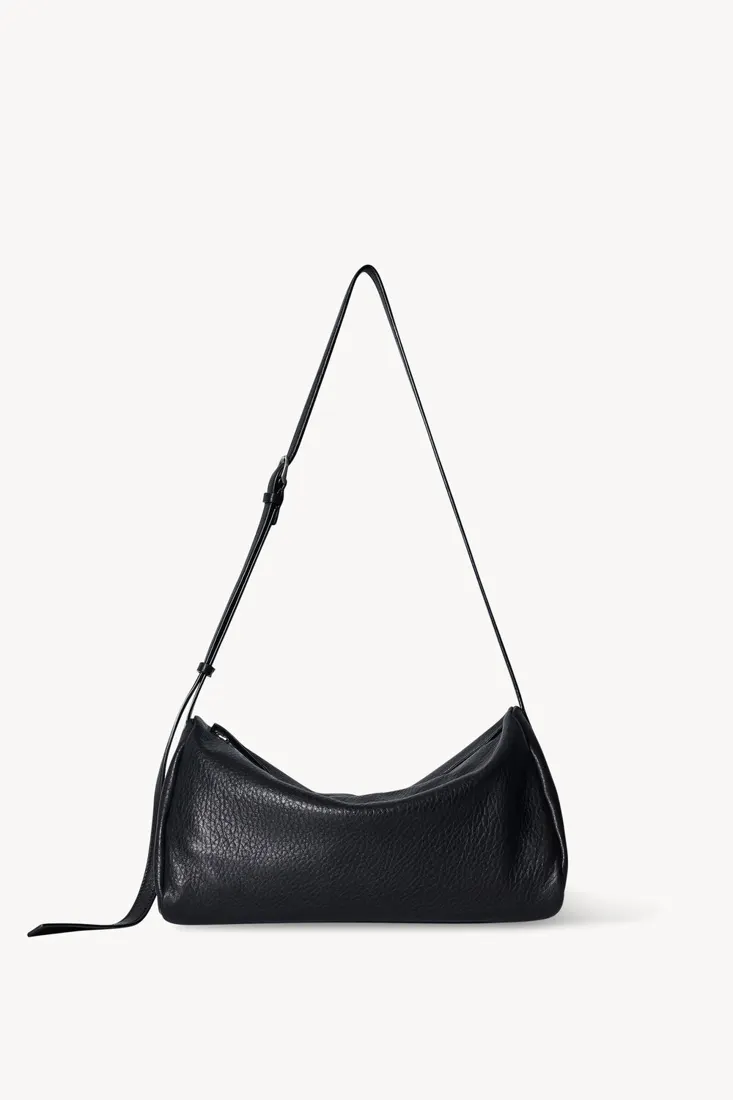
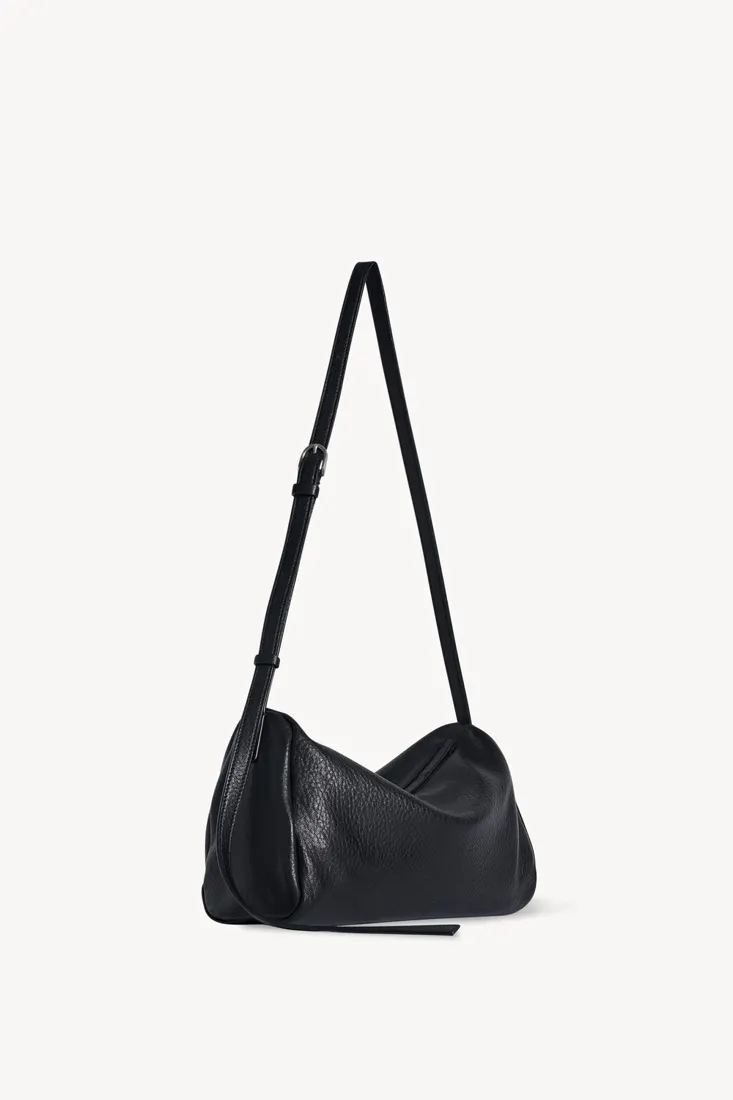
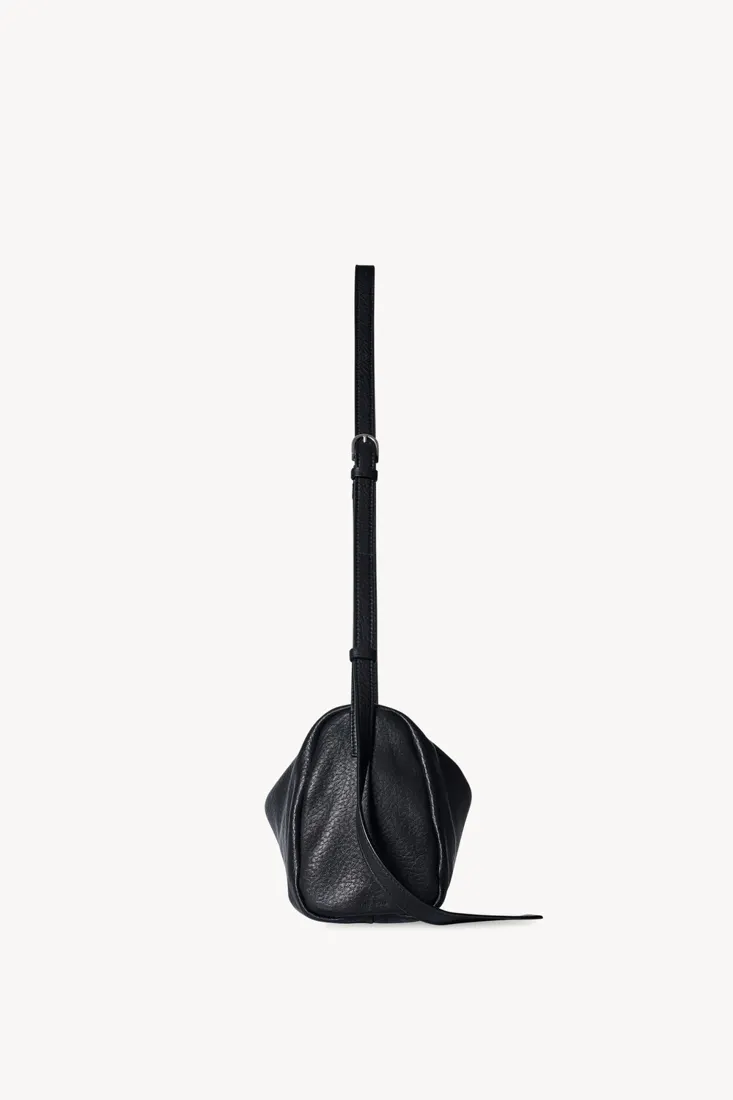
The leather-goods line — which would become, across the following decade, the brand's largest commercial category — launched in 2012 with a small set of structured handbags. The Margaux (introduced 2014) became the brand's defining IT-bag. The Park Tote (2018), the Wander (2018), the Half Moon (2019), and the Banana Bag (2021) followed. Each was priced at substantially above the price-point of comparable bags at Hermès, Chanel, or Bottega Veneta. Each became, in turn, a waitlist product.

CFDA awards · 2012, 2015, 2018 · the Margaux · 2014

We're not a fashion brand. We're an idea.
— Ashley Olsen, in a rare 2014 interview
2021

The funding round.

In June 2021, the trade press reported that The Row had completed a private funding round at a valuation of approximately one billion dollars. The investors, according to multiple credible reports, included the Saudi-aligned Mubadala sovereign wealth fund's private-equity arm and several high-net-worth family offices. The Olsens retained the controlling stake. The funding round was, in commercial terms, the moment the brand's quiet-luxury thesis was formally priced by the public-equity market.

By 2024, the brand was estimated by Forbes and Business of Fashion to be generating roughly four hundred million dollars of annual revenue. The brand operated six retail boutiques — New York, Los Angeles, London, Paris, Tokyo, and the Hamptons summer-store — plus a small wholesale distribution through a hand-selected set of specialty department stores. The brand had still never run advertising. The Olsens had still never given a major-publication profile interview. The brand's social media was, by 2024, a single Instagram account that posted carefully-considered editorial photography roughly twice a month, with no engagement strategy beyond the photography itself.

A second funding round in 2024 — also un-confirmed by the brand directly, but reported by multiple credible trade-press sources — placed the brand's valuation at approximately two billion dollars. The brand was, by this measure, the highest-valued independently-owned woman-founded luxury fashion house in the world. The thesis the Olsens had quietly tested across twenty years — that a luxury brand could refuse every convention of the modern fashion industry and still grow — was, in commercial terms, proved.

Mubadala · 2021 · $1B valuation · 2024 · $2B valuation

Margaux · 2014
No. 03
M
The Margaux — The Row's first iconic handbag, released 2014. Sold at price points starting at approximately $4,500 in calfskin and rising to $30,000+ in exotic leathers.
To be replaced · The Row press · 2014
2023 — Paris Fashion Week

The Row begins showing in Paris instead of New York and bans mobile phones from the front row.

Phone Ban · 2023
No. 04
×
In September 2023, The Row banned mobile phones from its Paris show — the most-publicised refusal of the social-media era's expected fashion-show choreography.
To be replaced · The Row press · 2023
September 2023

No phones, please.

In September 2023, The Row showed its Spring/Summer 2024 collection in Paris — the brand's first Paris Fashion Week appearance — and instituted a policy that, by the agreement of every working fashion-industry observer, was the single most-publicised refusal of the social-media era's expected fashion-show choreography: every guest had to surrender their mobile phone at the door. The decision was framed, in the brand's brief press communication, as a matter of audience focus: the clothes were the show, and the show was best experienced without the parallel apparatus of Instagram, TikTok, and live-streaming. The cultural reaction was enormous. The phone-ban story dominated fashion-week trade-press coverage for the full week. The collection itself was, by general agreement, excellent. The brand's wider cultural moment expanded.

The Paris-not-New-York move was, in retrospect, a recognition that the brand had outgrown its American-fashion-week origins. By 2024, the brand's largest single customer base was European and Asian. Sales at the London, Paris, and Tokyo flagships had, by some industry estimates, surpassed the New York flagship. The Olsens themselves split their time between New York and Paris. The brand had become, structurally, a global luxury house run from two cities.

At the moment of writing, in 2026, The Row is twenty years old. Its founders are thirty-nine. The brand has never advertised. The brand has never had a creative director other than the founders. The brand has never been publicly listed. The brand has — by every credible estimate — passed Bottega Veneta and Loewe in cultural-conversation share and is approaching the cultural footprint of Hermès among the under-fifty consumer base. The question of the next half-decade is whether the brand will, eventually, IPO; whether it will be acquired by LVMH or Kering or Capri or Tapestry; or whether it will, like Hermès and Goyard, refuse every offer and remain independently owned by its founders into the next generation.

Paris · September 2023 · the phone-ban · the global expansion

A House in Six Acts

From seven Pima-cotton T-shirts to a $2 billion privately-held global luxury house.

2006
Seven T-shirts · Bond Street
2010
Full ready-to-wear range
2012
First CFDA award
2014
Margaux launches
2021
Mubadala · $1B valuation
2023
Paris debut · phone ban
2024
$2B valuation
— Chapter Two —

The Founders

Two founders. No succession.

Two Names

Mary-Kate and Ashley Olsen — both designers, both owners, twenty years and counting.

Portrait · Placeholder
No. 01
MK
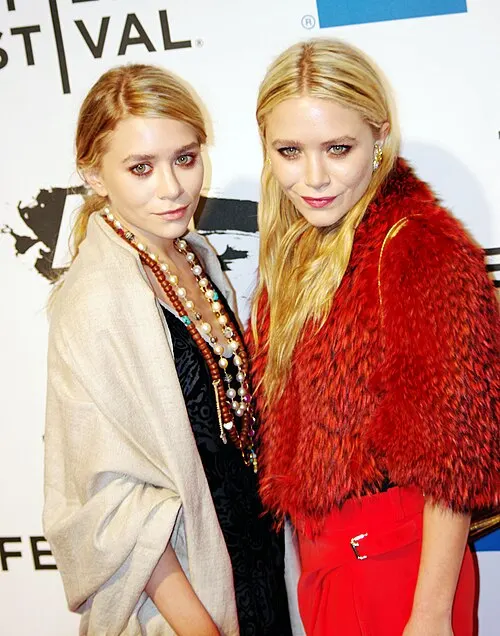
Mary-Kate Olsen — co-founder, co-designer.
To be replaced · The Row press · 2006 – present
Co-Founder · Co-Designer
Mary-Kate Olsen
2006 → present

Born Sherman Oaks, California, 1986. Cast in Full House at nine months. Built a child-acting career that generated over a billion dollars in retail sales by the late 1990s. Enrolled at NYU 2004. Co-founded The Row 2006 at twenty. Has, alongside her sister, designed every collection across the brand's twenty years. Notoriously private. Has given approximately four major-publication interviews across the brand's history. Lives between New York and Paris. Co-owns the controlling stake in The Row.

1986
Born in Sherman Oaks, California.
2004
Enrolls at NYU.
2006
Co-founds The Row at twenty.
2021
Mubadala-led funding round.
Portrait · Placeholder
No. 02
A
Ashley Olsen — co-founder, co-designer.
To be replaced · The Row press · 2006 – present
Co-Founder · Co-Designer
Ashley Olsen
2006 → present

Born Sherman Oaks, California, 1986, two minutes after Mary-Kate. Cast in Full House at nine months. Enrolled at NYU 2004. Co-founded The Row 2006 at twenty. Has, alongside her sister, designed every collection across the brand's twenty years. The slightly-more-publicly-quoted of the two twins, but only marginally. Has given approximately six major-publication interviews across the brand's history. Lives between New York and Paris. Co-owns the controlling stake in The Row.

1986
Born two minutes after Mary-Kate.
2004
Enrolls at NYU.
2006
Co-founds The Row at twenty.
2023
Paris Fashion Week phone ban.
· · ·

The brand that proved every convention of the modern luxury industry may be optional.

The Row is, more than any other house in this library, an experiment in negative-space brand-building. The Olsens have, across twenty years, deliberately refused: advertising; celebrity dressing; influencer partnerships; press interviews; runway theatre; creative-director-personality public profiles; social-media engagement; designer-name front-of-bag branding; product collaborations; sub-brand expansions; cosmetic-and-fragrance licensing; logo-product retail; sale pricing; and every other convention by which the modern luxury industry signals itself. The brand has grown anyway. The brand has, by every credible measure, grown more than any of its peers across the same period.

The structural lesson is, in retrospect, the same one Goyard offers — that a luxury brand, after sufficient pattern-recognition (in The Row's case, the recognition of the specific cut, fabric quality, and silhouette of the product), no longer needs the explicit apparatus of marketing. The Olsens' brand-building strategy is, plausibly, the cleanest contemporary statement of the quiet-luxury thesis that every other house in this library has, in some form, also been moving toward. The bag, the coat, the shirt, the trouser — sells. The twins, in 2026, are thirty-nine, and have approximately fifty more years of likely creative leadership ahead of them. The conversation of the next half-century is whether the brand will, eventually, IPO or be sold; or whether — like Hermès, like Goyard, like Chanel — it will remain in its founders' hands across the next generation. The Olsens, on every public occasion they have addressed the question, have indicated they intend the second outcome.

— Fin —