1971–1970s
430 King’s Road
Westwood and Malcolm McLaren opened a shop that changed names and direction as their interests evolved. Its clothing became closely associated with the emergence of British punk.
The House & Its Designers
London · 1971
Punk, historical dress and a refusal to treat fashion as neutral.
Vivienne Westwood connected clothes to cultural dissent. Her work moved from punk to historical cutting, while the orb emblem and tartan carried that mixture of tradition and rebellion into accessories.
12 photographs · Reviewed August 2026
Explore the history ↓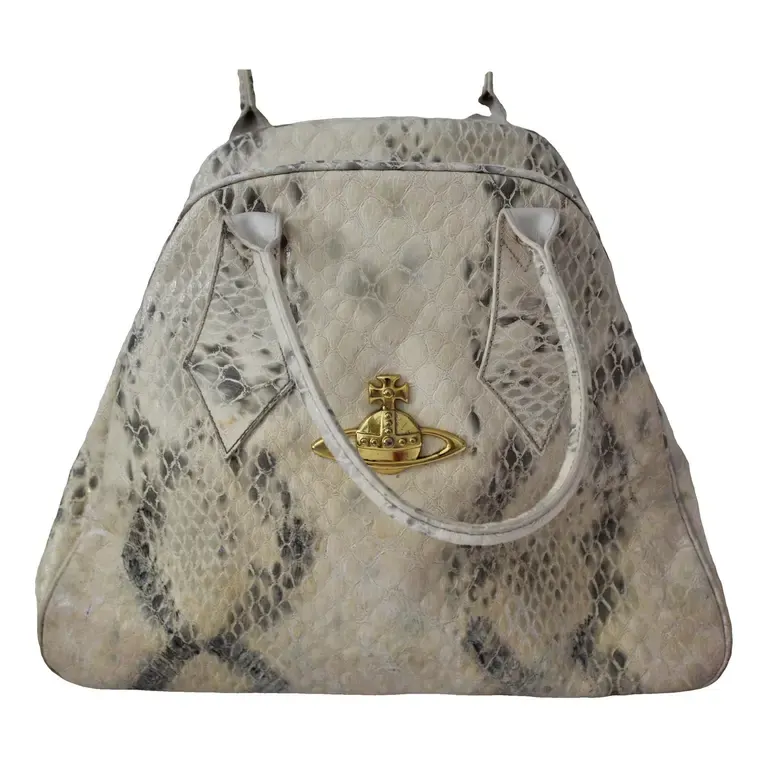
1971–1970s
Westwood and Malcolm McLaren opened a shop that changed names and direction as their interests evolved. Its clothing became closely associated with the emergence of British punk.
1981 onward
The Pirate collection marked their first official collaborative catwalk show. Westwood’s later work used corsetry, tailoring and historical references to challenge conventional proportions.
The continuing house
Andreas Kronthaler became a longstanding creative partner. After Westwood’s death in 2022, the house continued to work with the vocabulary they had developed together.
Selected creative chapters; dates distinguish appointments from runway debuts.
Founder · died 2022
Connected design, historical study and activism.
Longstanding creative partner
Develops the house’s expressive proportions, tailoring and historical references.
A selection of the house’s designs. Resale photographs illustrate individual examples; size, finish and condition vary.
A rounded, structured top-handle bag used for tartan, leather and printed versions.
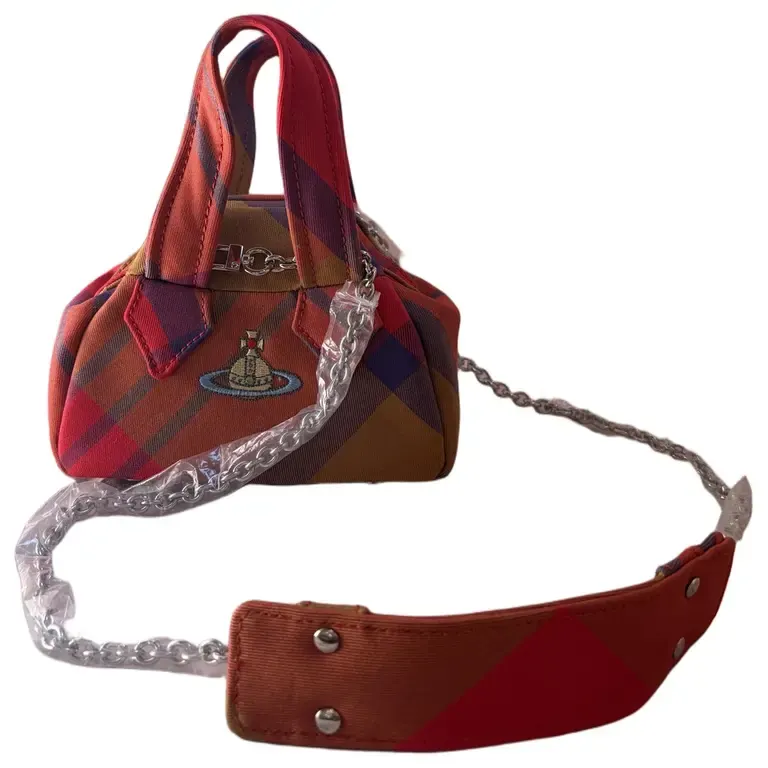
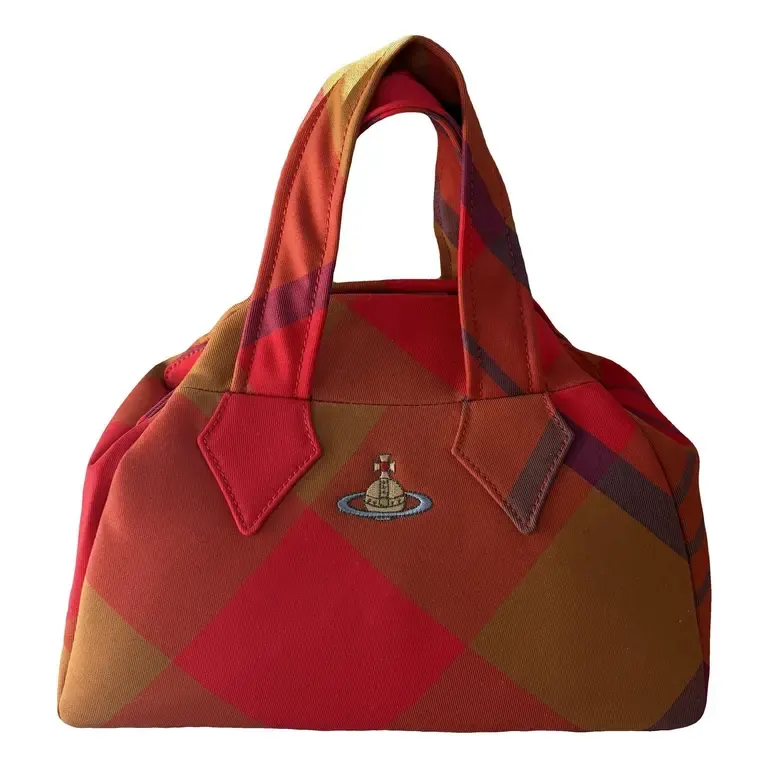
A compact frame bag with an old-fashioned clasp and short handle.
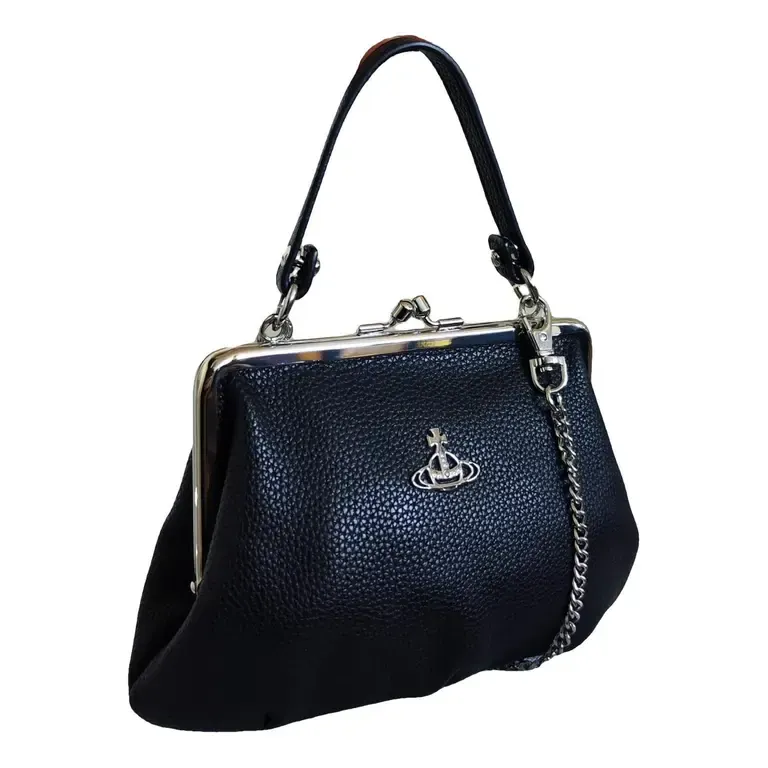
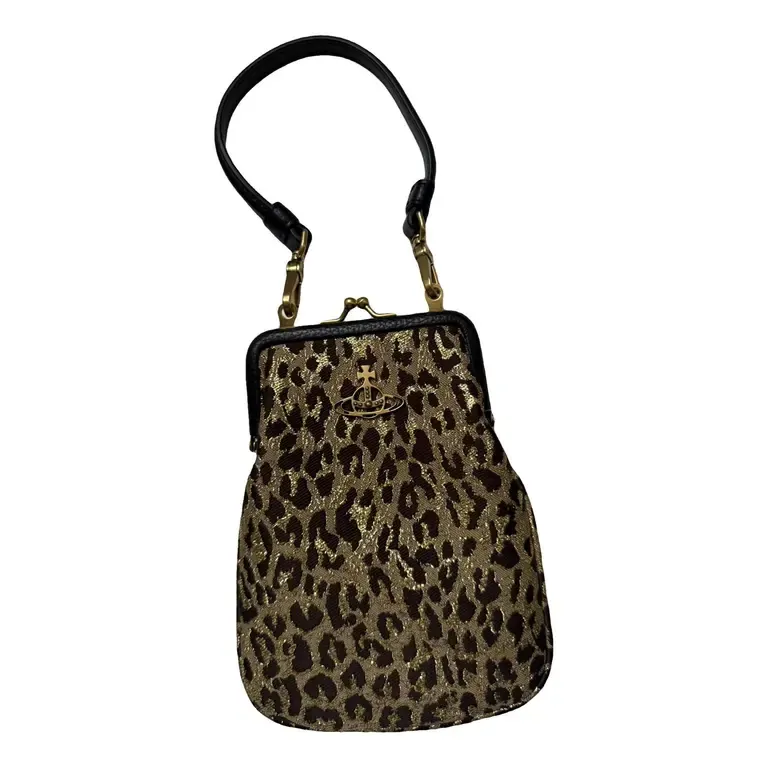
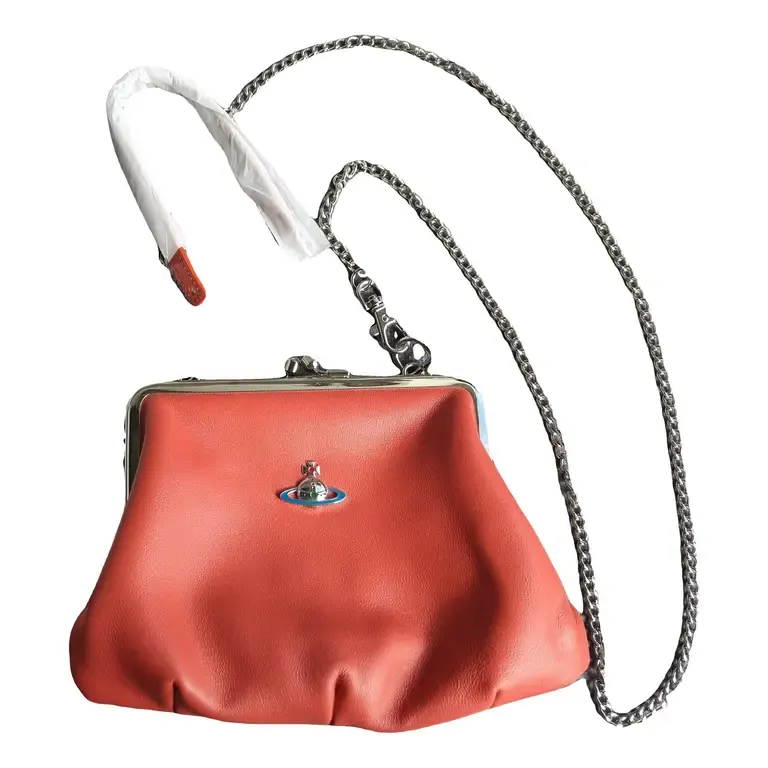
A heart-shaped bag that turns the house’s playful imagery into a silhouette.
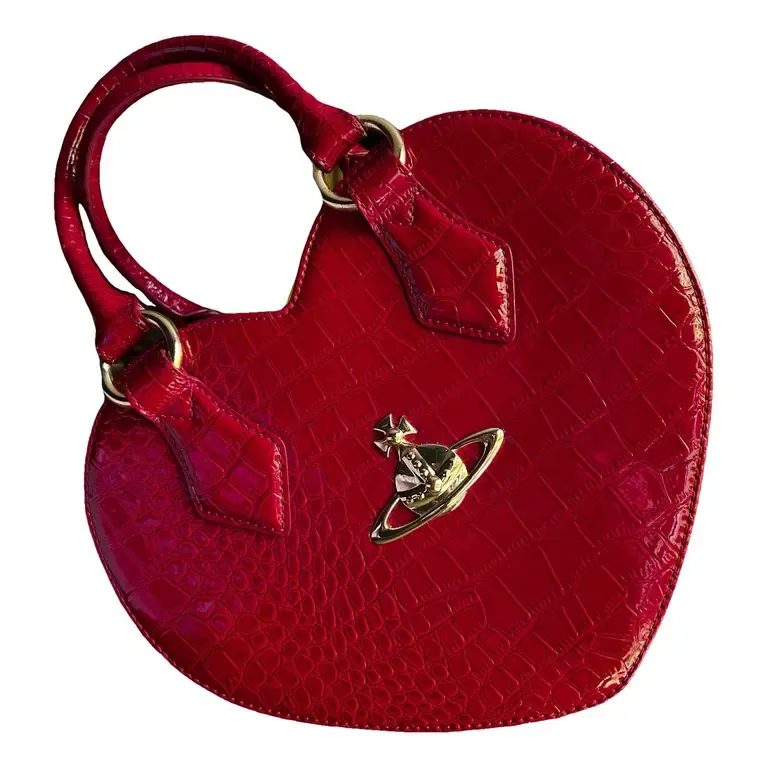
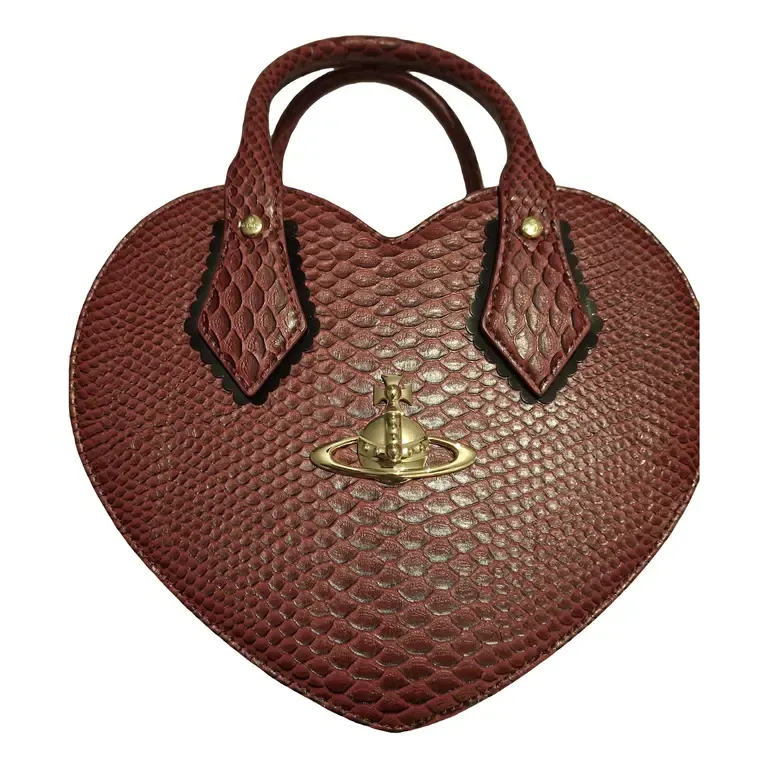
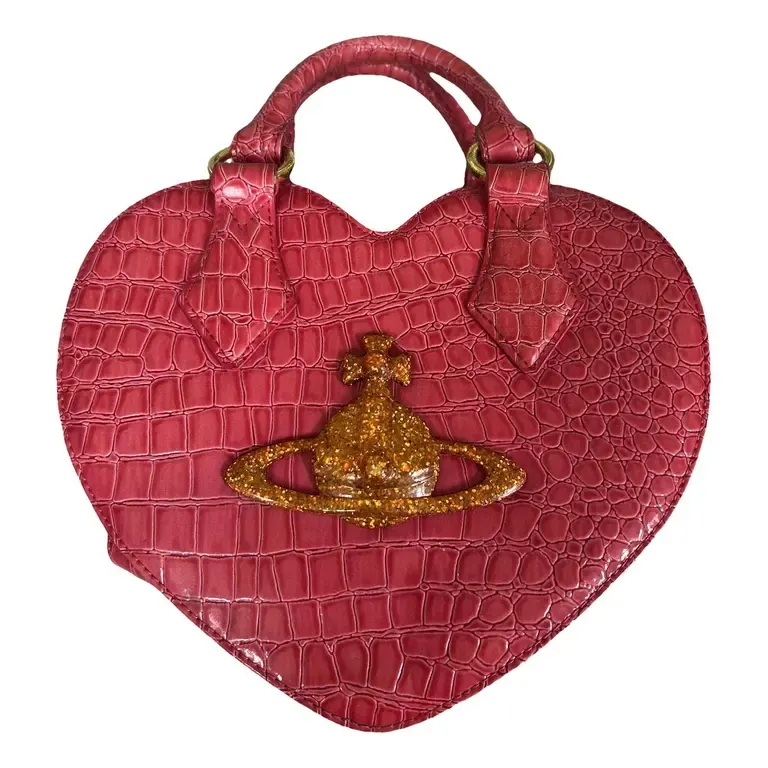
A textured leather accessories line rather than one fixed handbag shape.
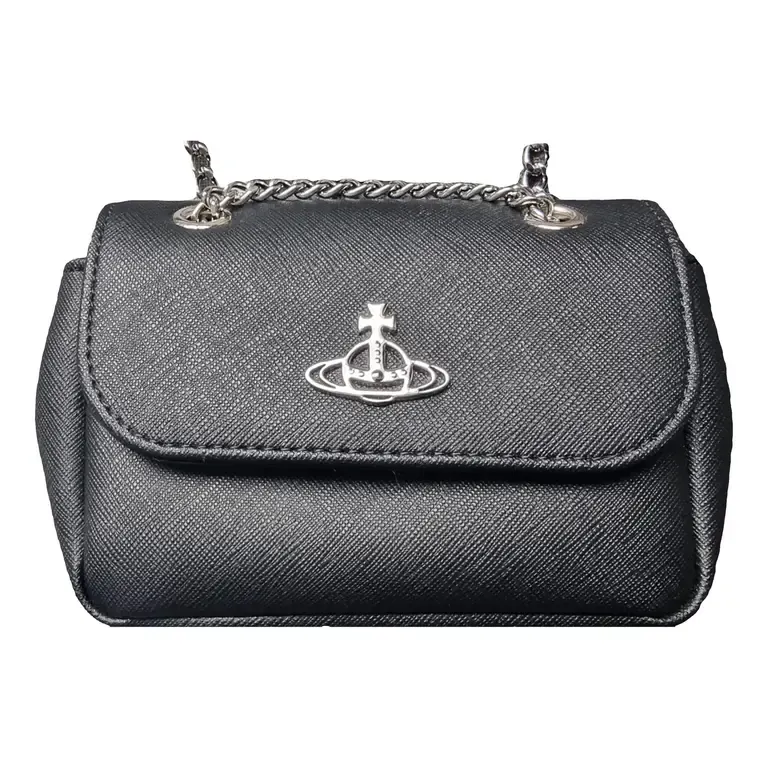
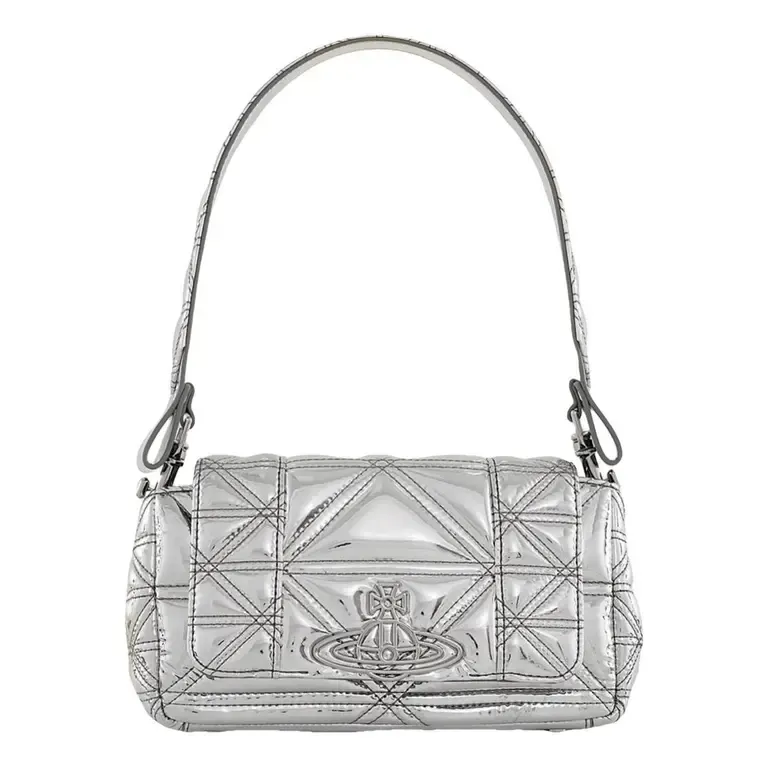
A compact shoulder-bag style with the house’s Orb emblem.